Leonardo Motion 2.0 delivers upgraded image-to-video generation, producing more realistic, detailed videos than its predecessor. Ready-to-use REST inference API, best performance, no coldstarts, affordable pricing.
就绪
$0.3每次运行·~33 / $10
示例查看全部
Photorealistic cinematic poster of Spider-Man perched on the edge of a rain-soaked glass skyscraper at dusk, New York skyline glowing with neon reflections below. Low-angle hero shot (dynamic perspective), suit fabric shows crisp hex-mesh texture, embossed webbing, subtle scuffs from action. Wind whips the web lines into a triangle composition pointing toward the character; shallow depth of field with city bokeh, light rain streaks, blue–orange color contrast, dramatic rim light outlining the silhouette, faint volumetric fog between buildings. Leave clean negative space at top and bottom for title and credits (no text rendered). Style is high-end theatrical key art: sharp contrast, rich saturation, studio-grade grading, realistic skin-tight fabric folds, cinematic vignette. Atmosphere: heroic, hopeful, energetic.
Cinematic 5-second shot of a bat-themed vigilante standing on a gothic rooftop gargoyle, overlooking a rain-soaked, neo-Gotham-like skyline at midnight. Camera begins low behind the cape, rises in a slow crane reveal to a 3/4 front profile as wind lifts the cape in controlled arcs; distant thunder flickers, searchlights sweep through mist, and rooftops glisten with greenish sodium + cold moon contrast. Keep sharp silhouette, wet stone texture, subtle raindrop impacts, thin volumetric fog between towers, and realistic cape cloth physics (no clipping). No text on screen—leave negative space top/bottom as if for title cards.
Cinematic slow-motion shot. A massive fiery explosion erupts behind the hero character. They dive forward dramatically, debris flying past them in slow motion. The intense heat and light of the blast illuminate their determined face. Epic, high-impact action.
From rooftop edge, crane upward to reveal a towering glass skyscraper continuing out of frame; clouds race above, windows catch sunrise gold. No people, no signage.
Moody close-up, profile shot of a weary man standing beside a flickering neon street sign at night, taking a slow drag on a cigarette. Camera holds at cheek/ear level, shallow depth of field; neon tubes in cyan-magenta cast rim light across his stubble and tired eyes; condensation in the cold air, faint city bokeh behind. Action: inhale → ember glows → exhale a thin plume that curls through the neon light; shoulders sag slightly, gaze unfocused. Look & Lighting: filmic contrast, gentle halation on neon, skin texture realistic, no over-sharpening. FX/Physics: smoke dissipates naturally, breath mist visible, tiny ash flecks fall; no flicker/ghosting. Audio: distant traffic hum, neon buzz, soft inhale/exhale; no dialogue. Framing: leave clean negative space near the sign—no on-screen text.
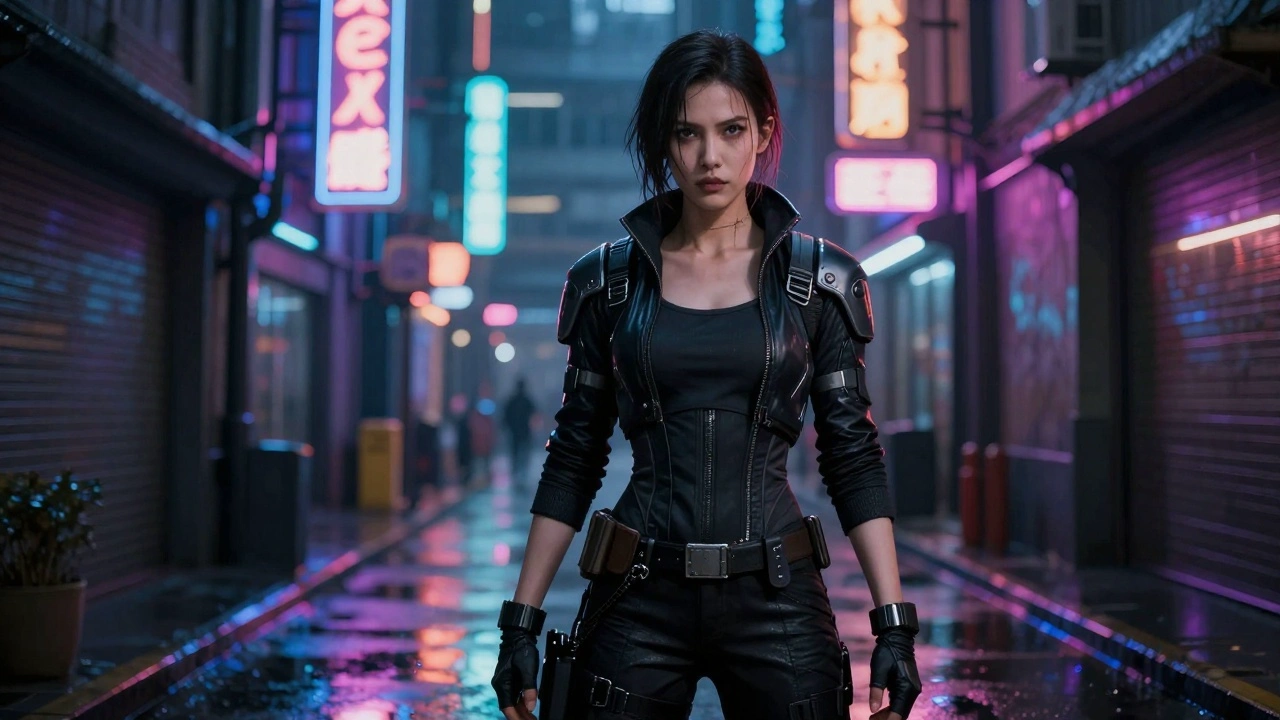
cyberpunk alley standoff in the rain. Human (calm, tired) and humanoid robot hold eye contact under flickering signage. Beat 1 (0–3s): slow push-in on human profile; breath mist, raindrops on hood; he says quietly, “I’m not your target.” Beat 2 (3–6s): cut to robot close-up; mechanical iris narrows; subtle servo whirr; soft cyan HUD flickers across the faceplate. Beat 3 (6–8s): over-the-shoulder two-shot; both relax half a step; steam rises from vents; tension hangs. Neon magenta/cyan, wet asphalt specular, thin volumetric fog; natural lip-sync, no jump cuts.
Night city crosswalk in heavy rain. Camera starts waist-high behind a lone figure holding a transparent umbrella, then cranes up and tilts to reveal neon reflections rippling across the street as crowds pass in slow motion. Clean silhouettes, wet asphalt speculars, thin mist, gentle lens halation; shallow depth for bokeh signs; no logos.
High noon desert road. Low tracking shot along the centerline as heat haze shimmers; a distant cyclist passes frame left-to-right, throwing a long shadow. Subtle rolling heat distortion, crisp asphalt texture, deep blue sky gradient; no vehicles or signage.
5-second bullet-time orbit around a parkour-style masked urban hero frozen mid-dodge in a rain-slick neon alley at night. Camera: time dilates to near-freeze; execute a 360° clockwise orbit at ~2 m radius, camera height chest-level, slight parallax to foreground rain and drifting steam; end on a dramatic profile close-up. Action & Physics: character leans back as if avoiding a fast object (no projectile shown); jacket hem and shoelace tips suspended with subtle slow-motion flutter; puddle ripples propagate outward in ultra-slow motion; suspended rain droplets streak microscopically. Look & Lighting: high-contrast green code-like light accents on walls and puddles; cool rim light + warm back spill from signage; micro-specular highlights on wet asphalt; cinematic grade with gentle halation. FX: thin volumetric fog, controlled lens bloom, light bokeh. Audio: low synth time-dilation whooom, faint rain, a single sub hit at 4.8s → hard cut to silence at 5.0s. Framing: leave clean negative space top/bottom—no on-screen text. Style: sleek sci-fi noir; precise edges; no flicker/ghosting.
相关模型
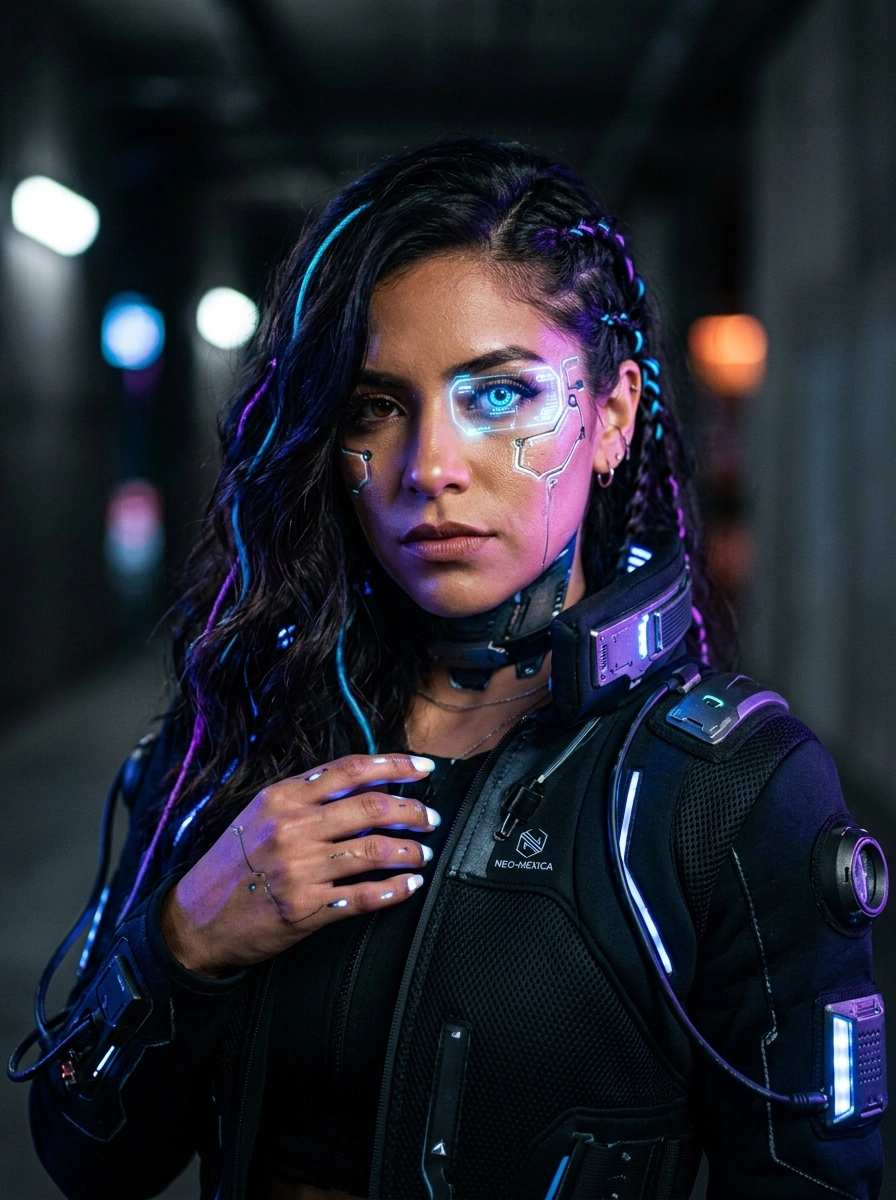
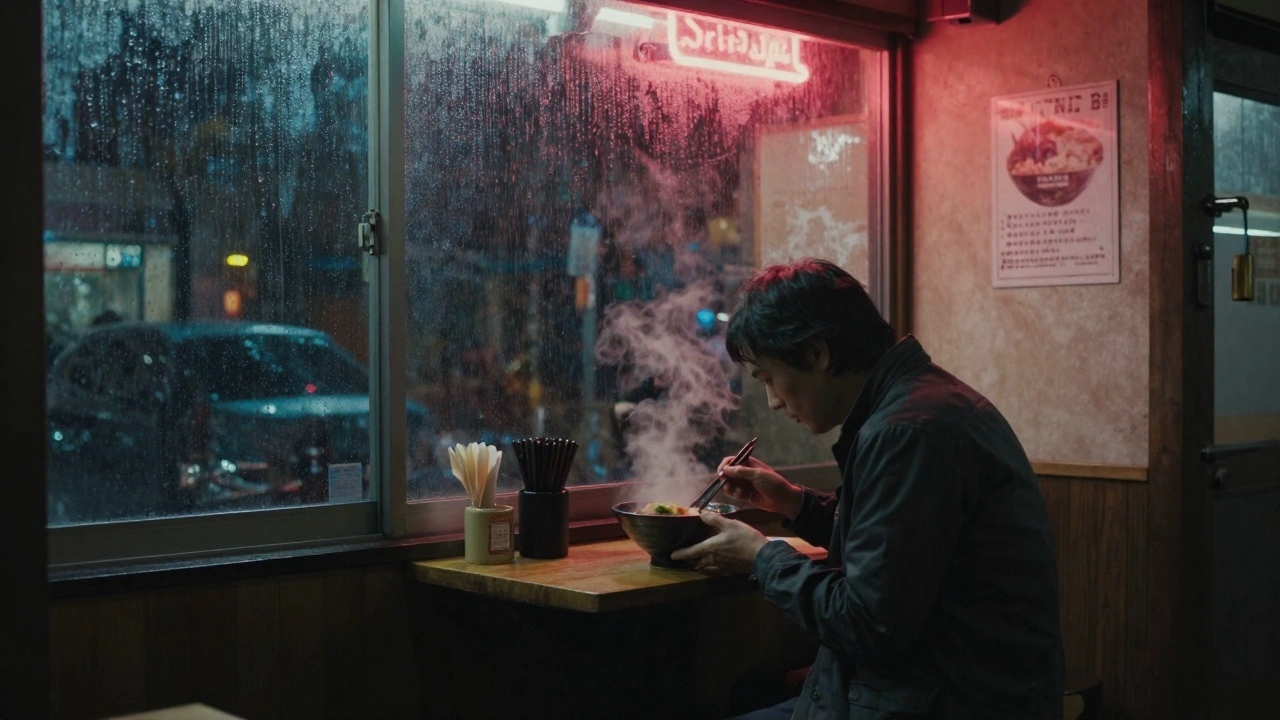
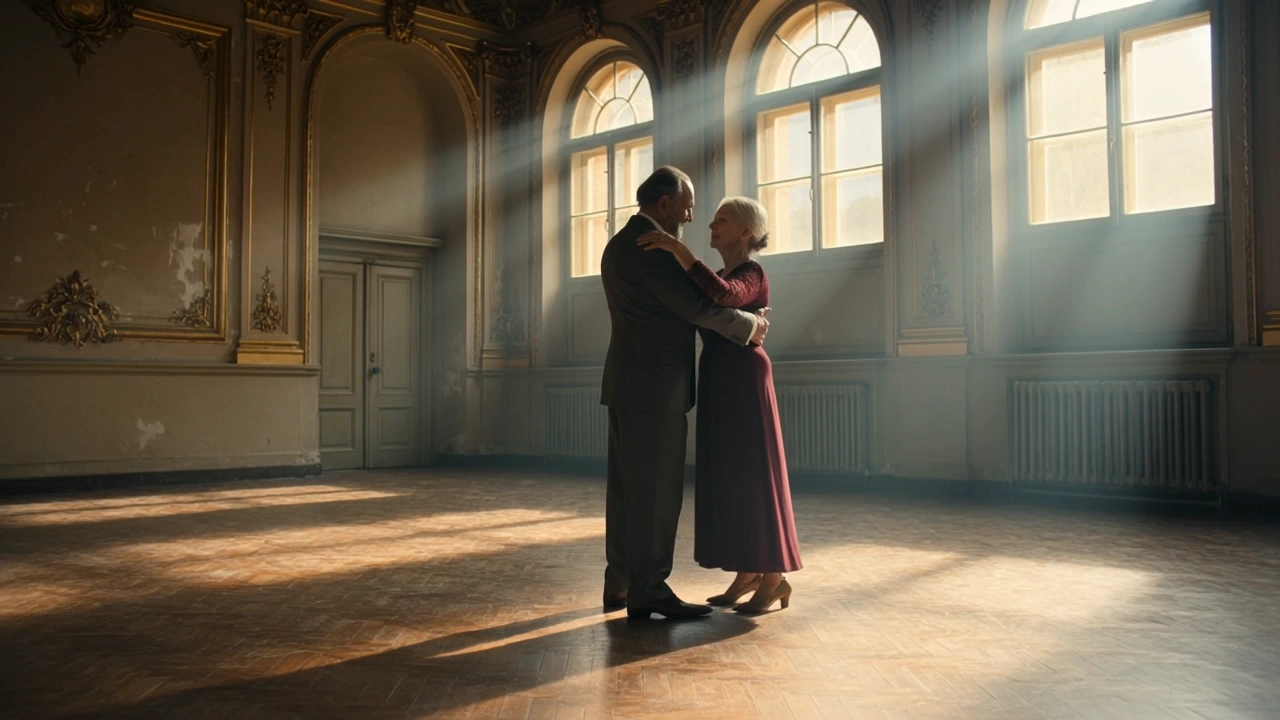

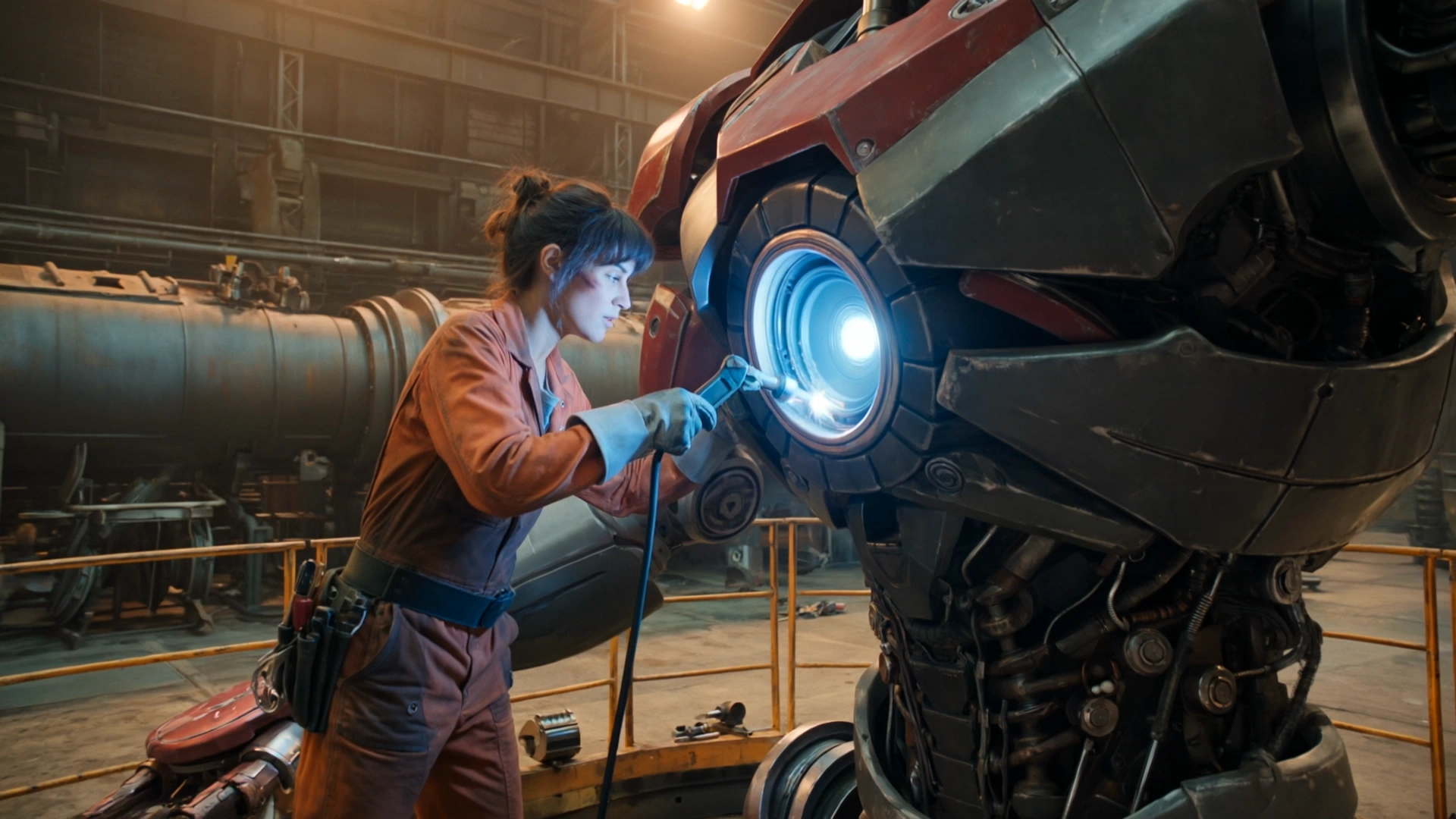
README
Leonardo Motion 2.0
Generate smooth, cinematic video from a single prompt (and optional reference image). Motion 2.0 focuses on stable subjects, clean transitions, and faster turnaround—ideal for story beats, product shots, title cards, and social posts.
Why it looks great
- Enhanced motion coherence — Sharper continuity between subject and background with far less flicker, wobble, or geometric distortion.
- Stable subject integrity — Characters and objects keep their identity under complex moves; no “melting” during fast action.
- Higher aesthetic quality — Cinematic lighting, richer textures, and finer detail for a more filmic look and stronger sense of depth.
- Improved motion control — Prompts like “slow dolly-zoom” or “rapid orbit” map more faithfully to the final camera behavior.
- Faster generation — Quicker inference so you can iterate rapidly and lock creative decisions sooner.
Pricing
$0.30 per run! Clear, simple pricing for predictable budgeting.
How to use
- Write your prompt. Describe scene, subject, motion, lighting, and mood.
- (Optional) Add a reference image.
- Pick aspect_ratio.
16:9for landscape,9:16for vertical. - Generate. Review the result, then refine phrasing (or reuse the same seed if available) for controlled iterations.
Prompt starters
- “A lone hiker at golden hour; slow dolly-in, gentle wind in grass, soft rim light, shallow depth of field, cinematic grade.”
- “Minimal product hero on pedestal; 360° orbit at medium speed, studio key light + soft fill, glossy reflections.”
- “Noir alley at night; handheld micro-jitter and push-in, neon bounce light, light rain, fog rolling through.”
Pro tips
- Be explicit about camera verbs (dolly, pan, tilt, orbit) and speed (slow/medium/fast).
- Specify lighting and materials (backlight, rim light, volumetrics, glossy/rough) to guide mood and texture.
- Keep prompts focused; remove conflicting style words to improve motion coherence.
- When using an image, describe which parts should stay consistent versus change.
Common use cases
- Storyboards and previz with believable camera language
- Logo/title motion with controlled cinematic moves
- Product promos that preserve brand color and surfaces
- Social shorts where vertical 9:16 is a must
Motion 2.0 API — Quick start
Grab a WaveSpeedAI API key, then call POST https://api.wavespeed.ai/api/v3/leonardoai/motion-2.0 with your input as JSON. The endpoint returns a prediction id; poll the prediction endpoint until status flips to completed, then read the output URL from data.outputs[0]. Examples for Motion 2.0 below.
HTTP example
# Submit the prediction
curl -X POST "https://api.wavespeed.ai/api/v3/leonardoai/motion-2.0" \
  -H "Content-Type: application/json" \
  -H "Authorization: Bearer $WAVESPEED_API_KEY" \
  -d '{
    "prompt": "A cinematic shot of a city at sunset, soft golden light",
    "image": "https://example.com/your-input.jpg",
    "aspect_ratio": "16:9"
}'

# Response includes a prediction id. Poll for the result:
curl -X GET "https://api.wavespeed.ai/api/v3/predictions/{request_id}/result" \
  -H "Authorization: Bearer $WAVESPEED_API_KEY"

# When status is "completed", read the output from data.outputs[0].
Node.js example
// npm install wavespeed
const WaveSpeed = require('wavespeed');

const client = new WaveSpeed(); // reads WAVESPEED_API_KEY from env

const result = await client.run("leonardoai/motion-2.0", {
        "prompt": "A cinematic shot of a city at sunset, soft golden light",
        "image": "https://example.com/your-input.jpg",
        "aspect_ratio": "16:9"
});

console.log(result.outputs[0]); // → URL of the generated output
Python example
# pip install wavespeed
import wavespeed

output = wavespeed.run(
    "leonardoai/motion-2.0",
    {
    "prompt": "A cinematic shot of a city at sunset, soft golden light",
    "image": "https://example.com/your-input.jpg",
    "aspect_ratio": "16:9"
}
)

print(output["outputs"][0])  # → URL of the generated output
Motion 2.0 API — Frequently asked questions
What is the Motion 2.0 API?
Motion 2.0 is a Leonardoai model for video generation from images, exposed as a REST API on WaveSpeedAI. Leonardo Motion 2.0 delivers upgraded image-to-video generation, producing more realistic, detailed videos than its predecessor. Ready-to-use REST inference API, best performance, no coldstarts, affordable pricing. You can call it programmatically or try it from the playground above.
How do I call the Motion 2.0 API?
POST your input parameters to the model's REST endpoint (shown in the API tab of this playground) with your WaveSpeedAI API key in the Authorization header. Submission returns a prediction ID; poll the prediction endpoint until status flips to "completed", then read the output URL from the result. The playground generates a ready-to-paste code sample in Python, JavaScript, or cURL for whatever inputs you've set. Full request/response shape is documented at https://wavespeed.ai/docs/docs-api/leonardoai/leonardoai-motion-2.0.
How much does Motion 2.0 cost per run?
Motion 2.0 starts at $0.30 per run. That figure is the base price — the final charge scales with the parameters you set in the form (output size, length, count, references, or whatever knobs this model exposes), so a higher-quality or larger output costs more than a minimal one. The exact cost for your current input is shown live next to the Generate button before you submit, and the actual per-call charge is recorded on the prediction afterwards.
What inputs does Motion 2.0 accept?
Key inputs: `prompt`, `image`, `aspect_ratio`. The full JSON schema (types, defaults, allowed values) is rendered above the Generate button and mirrored in the API reference at https://wavespeed.ai/docs/docs-api/leonardoai/leonardoai-motion-2.0.
How long does Motion 2.0 take to generate?
Average end-to-end generation time on WaveSpeedAI is around 45 seconds per request — measured across recent runs. Queue time scales with global demand; live status is visible in the prediction record.
Can I use Motion 2.0 outputs commercially?
Commercial usage rights depend on the model's license, set by its provider (Leonardoai). The license summary appears on the model card above; see WaveSpeedAI's Terms of Service for platform-level conditions.