LTX-2 19b is the first DiT-based audio-video foundation model with synchronized audio and video, high fidelity, multiple performance modes, and production-ready outputs in one model. Ready-to-use REST inference API, best performance, no coldstarts, affordable pricing.
Idle
$0.08per run·~12 / $1
ExamplesView all
Stop-motion clay astronaut plants a flag on a tiny moon set. Soft clay squish, miniature wind, tiny crunching steps. Fixed camera, charming imperfections.
A sleek wireless earbud rotates on a glossy pedestal in a white studio. Subtle whoosh transitions, faint electronic hum, clicky case open/close sounds. Macro close-ups, crisp lighting.
Ultra-realistic luxury interior photography, cold bronze used as refined accent material, softly brushed cold bronze surfaces integrated into walls, fireplace surround and custom furniture, warm metallic reflections, elegant contemporary interior design, modern cubist house, sophisticated yet welcoming atmosphere, curated high-end decor objects, organic shapes, premium materials (stone, natural wood, textured fabrics), balanced composition, normal ceiling height, depth in the space with subtle background details, distant window more than 4 meters away with discreet linen curtains barely visible and not emphasized, natural daylight mixed with soft architectural lighting, realistic shadows, rich textures, luxury interior design editorial style, photographed with a professional full-frame camera, 35mm lens, shallow depth of field, extreme photorealism, no people, no text
Hands warming near Lohri bonfire at a luxury hotel, flying sparks, woolen sleeves, night winter ambience, soft firelight on skin, cinematic close-up, cozy festive mood, ultra realistic photography, Indian winter festival
high fashion studio shoot, minimalism, photorealism, tall woman walking forward, full body, long shot, neutral gray concrete background, soft diffused daylight, clean shadows, outfit: beige oversized sweater dress with large cable knit, asymmetrical off-the-shoulder, long textured sleeves, high black suede over-the-knee sock boots, form-fitting, just above the knees, large suede tote bag in matching tone, hair slickly pulled back, minimal makeup, confident stride, elegant pose, high detail on knitwear and leather, realistic textures, sharp focus, monochrome beige-sand palette
Related Models
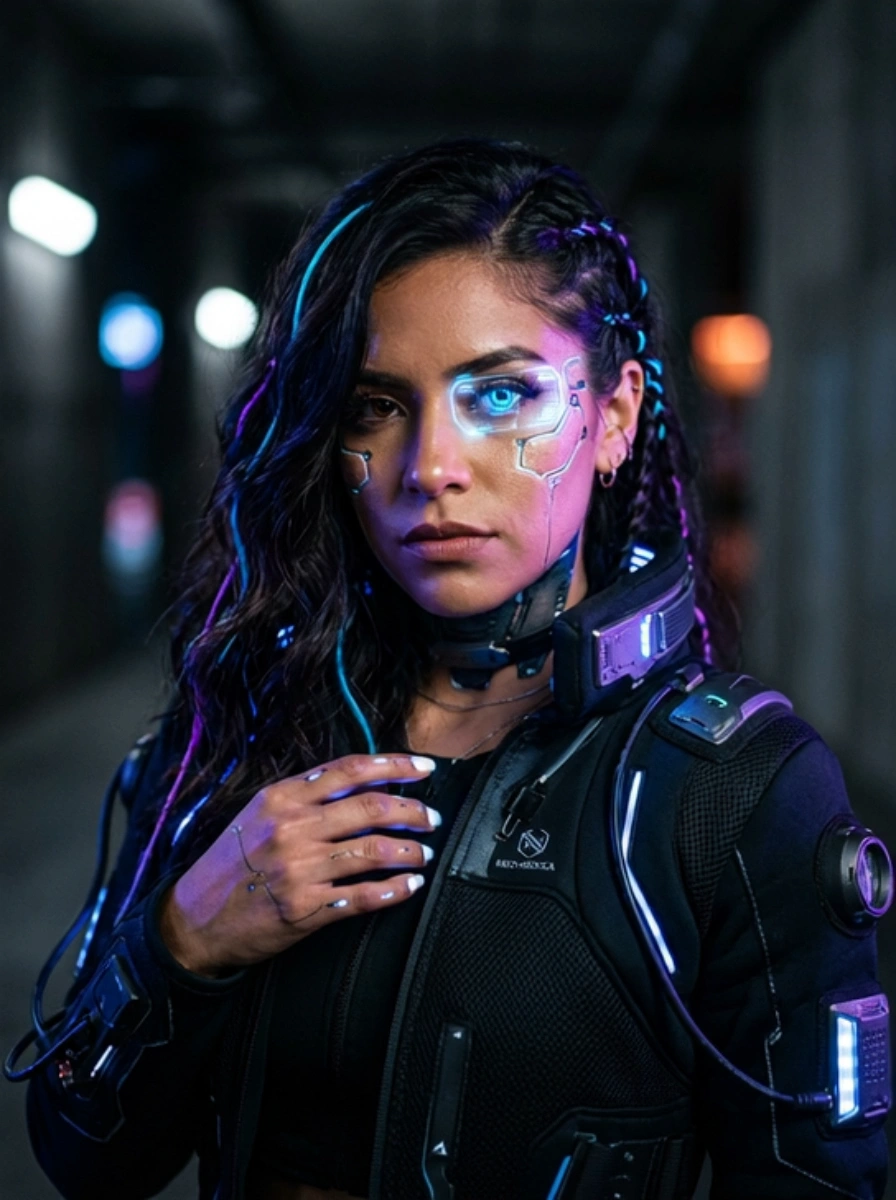
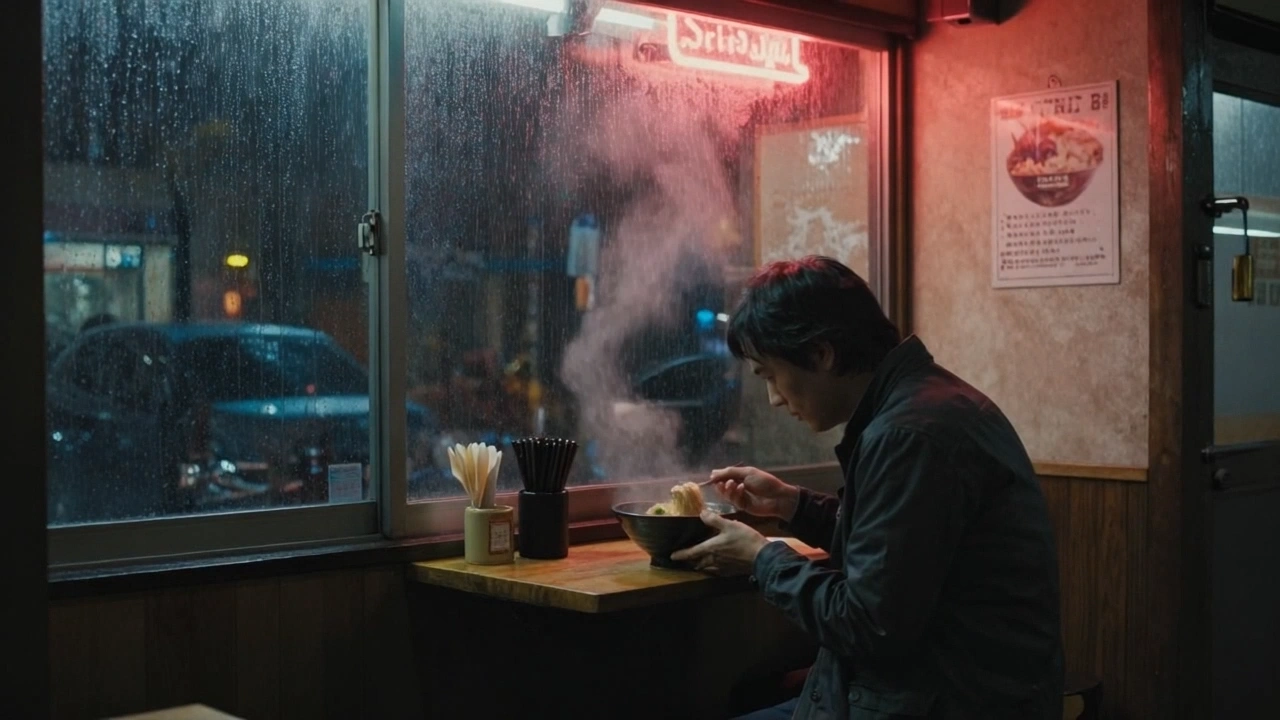
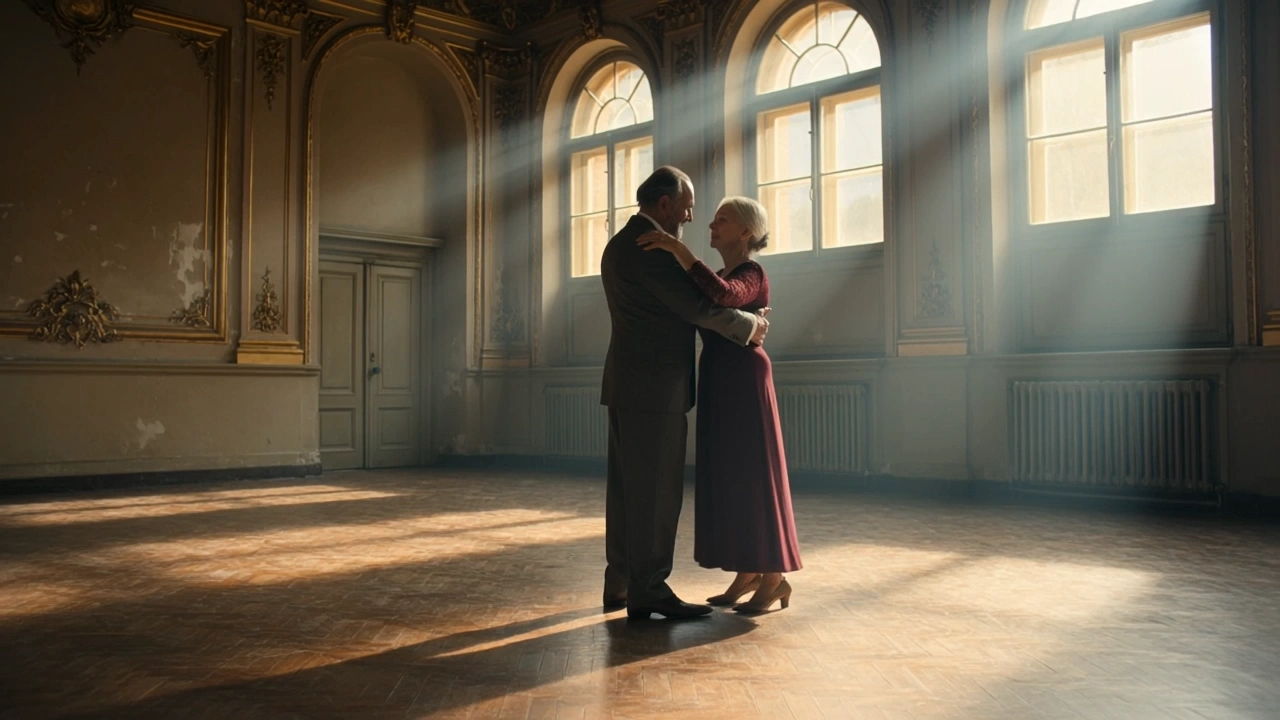


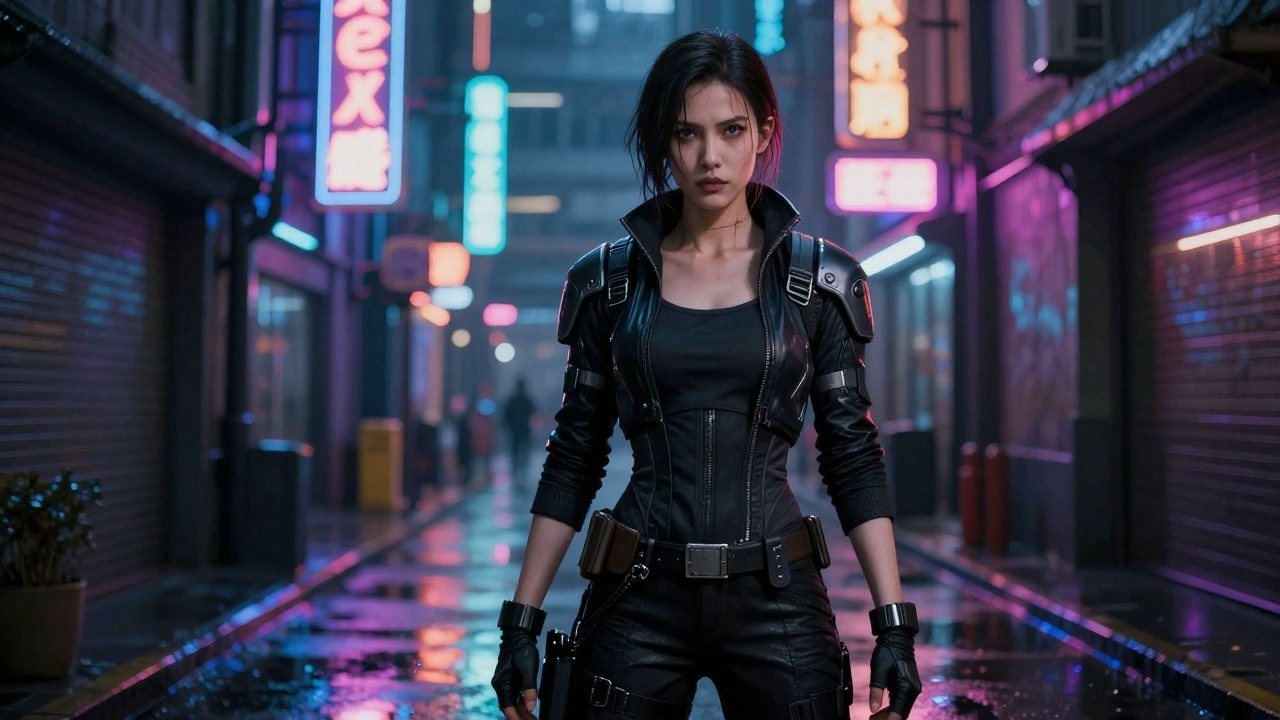
README
LTX-2 19B Text-to-Video with Audio
LTX-2 is the first DiT-based (Diffusion Transformer) audio-video foundation model, capable of generating synchronized audio and video from a text prompt. With 19 billion parameters, it produces high-fidelity, production-ready clips with natural sound that matches the visuals — no post-production audio layering required.
Why Choose This?
-
Synchronized audio-video generation Outputs video with matching audio in a single pass — footsteps, ambient sounds, speech-like tones, and environmental audio are generated to fit the visual content.
-
High-fidelity visuals Leverages a 19B-parameter DiT architecture for detailed, temporally consistent video with minimal flickering.
-
Flexible resolution and aspect ratio Supports 480p, 720p, and 1080p outputs in both 16:9 (landscape) and 9:16 (vertical) formats.
-
Variable duration Generate clips from 5 to 20 seconds, suitable for quick loops or longer narrative beats.
Parameters
| Parameter | Required | Description |
|---|---|---|
| prompt | Yes | Text description of the scene, action, and audio cues |
| resolution | No | Output resolution: 480p, 720p (default), or 1080p |
| aspect_ratio | No | Output format: 16:9 (default) or 9:16 |
| duration | No | Video length in seconds (5-20) |
| seed | No | Random seed for reproducibility (-1 for random) |
Resolution Options
| Resolution | Best For |
|---|---|
| 480p | Fast previews, iteration, lowest cost |
| 720p | Balanced quality and cost (default) |
| 1080p | Final delivery, maximum detail |
Aspect Ratio Options
| Aspect Ratio | Use Case |
|---|---|
| 16:9 | Landscape, YouTube, desktop |
| 9:16 | Vertical, TikTok, Stories, Reels |
How to Use
- Write your prompt — describe the scene, action, and desired audio cues.
- Select resolution — 480p for iteration, 720p for balance, 1080p for final output.
- Choose aspect ratio — 16:9 for landscape, 9:16 for vertical platforms.
- Set duration — 5-20 seconds based on your content needs.
- Run — submit and download the generated video with synchronized audio.
Pricing
| Resolution | 5s | 10s | 15s | 20s |
|---|---|---|---|---|
| 480p | $0.06 | $0.12 | $0.18 | $0.24 |
| 720p | $0.08 | $0.16 | $0.24 | $0.32 |
| 1080p | $0.12 | $0.24 | $0.36 | $0.48 |
Billing Rules
- Base price: $0.08 (720p, 5 seconds)
- Resolution multiplier: 480p = 0.75×, 720p = 1×, 1080p = 1.5×
- Duration: Scales linearly (per 5 seconds)
- Total cost = duration × $0.08 × resolution_multiplier / 5
Best Use Cases
- Short-form Content — Create TikTok, Reels, and Stories with built-in audio.
- Product Demos — Generate promotional videos with ambient sound.
- Social Media — Produce engaging clips without separate audio editing.
- Prototyping — Quickly visualize concepts with synchronized audiovisuals.
- Marketing — Create ad content with cohesive sound design.
Pro Tips
- Audio is automatic — you don't need to explicitly request it.
- Describe sounds when it matters (e.g., "jazz music," "thunderstorm").
- Match aspect ratio to platform: 9:16 for vertical-first, 16:9 for YouTube/desktop.
- Iterate at 480p to dial in the prompt, then render at higher resolution for final output.
- Use fixed seed when testing prompt variations to isolate the effect of your changes.
Notes
- Maximum video duration is 20 seconds.
- Audio is generated based on the visual content and prompt context.
- For longer content, generate multiple clips and edit together.
Related Models
- LTX-2 19B Image-to-Video — Animate a reference image into video with synchronized audio.
- Wan 2.5 T2V — Alternative text-to-video with the Wan ecosystem.
- Kling 2.6 T2V — Kuaishou's latest text-to-video generation model.
- Sora 2 T2V — OpenAI's text-to-video model with cinematic quality.
Ltx 2 19b Text To Video API — Quick start
Grab a WaveSpeedAI API key, then call POST https://api.wavespeed.ai/api/v3/wavespeed-ai/ltx-2-19b/text-to-video with your input as JSON. The endpoint returns a prediction id; poll the prediction endpoint until status flips to completed, then read the output URL from data.outputs[0]. Examples for Ltx 2 19b Text To Video below.
HTTP example
# Submit the prediction
curl -X POST "https://api.wavespeed.ai/api/v3/wavespeed-ai/ltx-2-19b/text-to-video" \
  -H "Content-Type: application/json" \
  -H "Authorization: Bearer $WAVESPEED_API_KEY" \
  -d '{
    "prompt": "A cinematic shot of a city at sunset, soft golden light",
    "resolution": "720p",
    "aspect_ratio": "16:9",
    "duration": 5,
    "seed": -1
}'

# Response includes a prediction id. Poll for the result:
curl -X GET "https://api.wavespeed.ai/api/v3/predictions/{request_id}/result" \
  -H "Authorization: Bearer $WAVESPEED_API_KEY"

# When status is "completed", read the output from data.outputs[0].
Node.js example
// npm install wavespeed
const WaveSpeed = require('wavespeed');

const client = new WaveSpeed(); // reads WAVESPEED_API_KEY from env

const result = await client.run("wavespeed-ai/ltx-2-19b/text-to-video", {
        "prompt": "A cinematic shot of a city at sunset, soft golden light",
        "resolution": "720p",
        "aspect_ratio": "16:9",
        "duration": 5,
        "seed": -1
});

console.log(result.outputs[0]); // → URL of the generated output
Python example
# pip install wavespeed
import wavespeed

output = wavespeed.run(
    "wavespeed-ai/ltx-2-19b/text-to-video",
    {
    "prompt": "A cinematic shot of a city at sunset, soft golden light",
    "resolution": "720p",
    "aspect_ratio": "16:9",
    "duration": 5,
    "seed": -1
}
)

print(output["outputs"][0])  # → URL of the generated output
Ltx 2 19b Text To Video API — Frequently asked questions
What is the Ltx 2 19b Text To Video API?
Ltx 2 19b Text To Video is a WaveSpeedAI model for video generation, exposed as a REST API on WaveSpeedAI. LTX-2 19b is the first DiT-based audio-video foundation model with synchronized audio and video, high fidelity, multiple performance modes, and production-ready outputs in one model. Ready-to-use REST inference API, best performance, no coldstarts, affordable pricing. You can call it programmatically or try it from the playground above.
How do I call the Ltx 2 19b Text To Video API?
POST your input parameters to the model's REST endpoint (shown in the API tab of this playground) with your WaveSpeedAI API key in the Authorization header. Submission returns a prediction ID; poll the prediction endpoint until status flips to "completed", then read the output URL from the result. The playground generates a ready-to-paste code sample in Python, JavaScript, or cURL for whatever inputs you've set. Full request/response shape is documented at https://wavespeed.ai/docs/docs-api/wavespeed-ai/ltx-2-19b-text-to-video.
How much does Ltx 2 19b Text To Video cost per run?
Ltx 2 19b Text To Video starts at $0.080 per run. That figure is the base price — the final charge scales with the parameters you set in the form (output size, length, count, references, or whatever knobs this model exposes), so a higher-quality or larger output costs more than a minimal one. The exact cost for your current input is shown live next to the Generate button before you submit, and the actual per-call charge is recorded on the prediction afterwards.
What inputs does Ltx 2 19b Text To Video accept?
Key inputs: `prompt`, `aspect_ratio`, `resolution`, `duration`, `seed`. The full JSON schema (types, defaults, allowed values) is rendered above the Generate button and mirrored in the API reference at https://wavespeed.ai/docs/docs-api/wavespeed-ai/ltx-2-19b-text-to-video.
How long does Ltx 2 19b Text To Video take to generate?
Average end-to-end generation time on WaveSpeedAI is around 74 seconds per request — measured across recent runs. Queue time scales with global demand; live status is visible in the prediction record.
Can I use Ltx 2 19b Text To Video outputs commercially?
Commercial usage rights depend on the model's license, set by its provider (WaveSpeedAI). The license summary appears on the model card above; see WaveSpeedAI's Terms of Service for platform-level conditions.