Vidu Text-to-Image Q2 converts text prompts into high-quality images with exceptional visual detail and creative flexibility. Ready-to-use REST inference API, best performance, no coldstarts, affordable pricing.
Chờ
$0.03cho mỗi lần chạy·~33 / $1
Ví dụXem tất cả
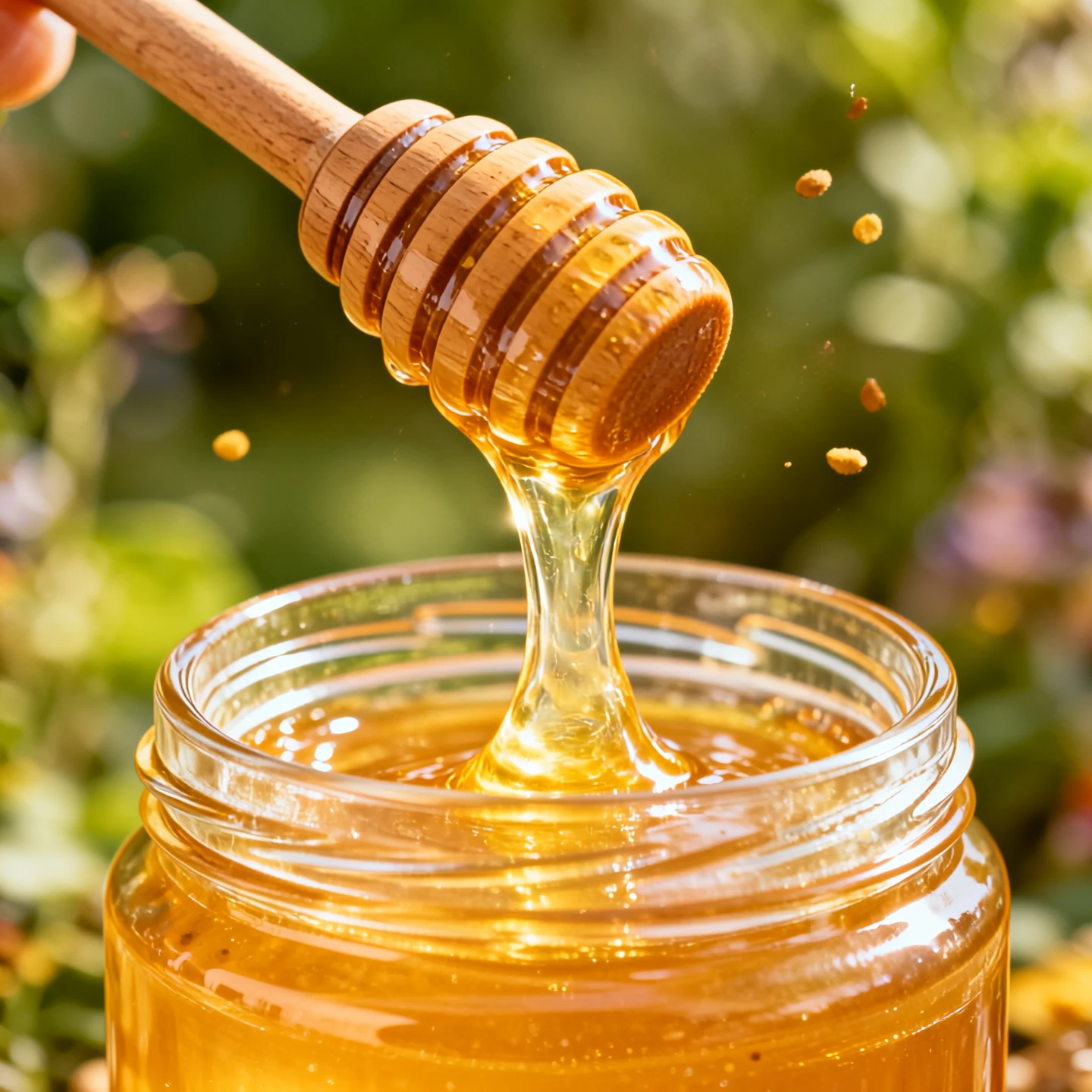
Commercial food photography, extreme macro close-up. A wooden dipper pulling up thick, golden honey from a jar. The honey is translucent and glowing in the sunlight. A few pollen particles floating in the air. Background is a blurred garden. Mouth-watering texture, warm tone, high fidelity, subsurface scattering.

Hyper-realistic portrait of an elderly tribal elder with weathered, leathery skin deep in a rainforest. Every wrinkle and pore is visible. Raindrops sitting on the skin. Intricate colorful feather headdress. Rim lighting from the side highlighting the fine facial fuzz and floating dust particles. Intense gaze, cinematic lighting, shot on 70mm lens, IMAX quality.
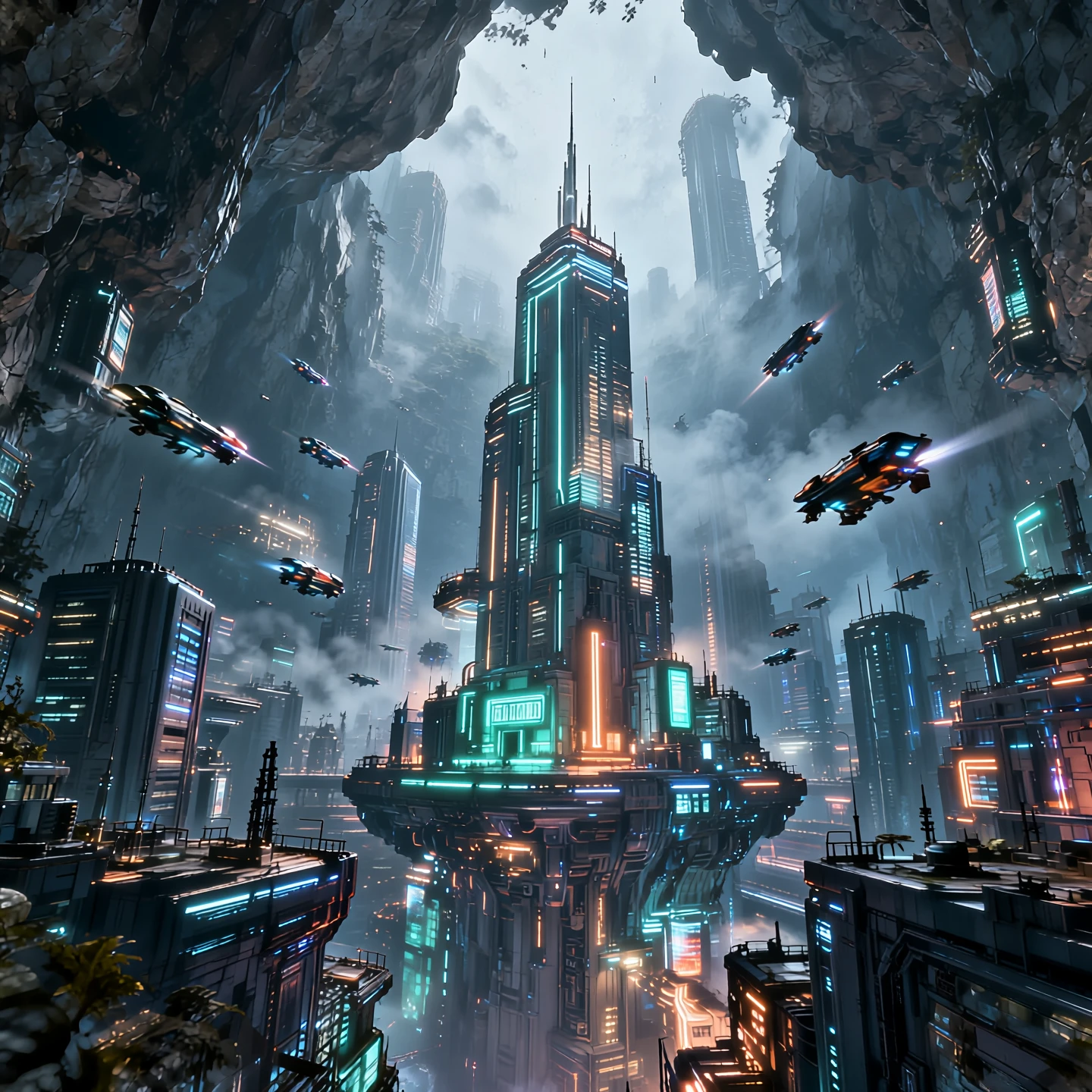
A futuristic cyberpunk megastructure city built vertically inside a massive cave system. Neon lights in teal and orange illuminating the fog. Hundreds of flying vehicles moving on different levels. Bottom-up view looking at the towering skyscrapers disappearing into the mist. Volumetric lighting, atmospheric perspective, high contrast, unreal engine 5 style, intricate details.
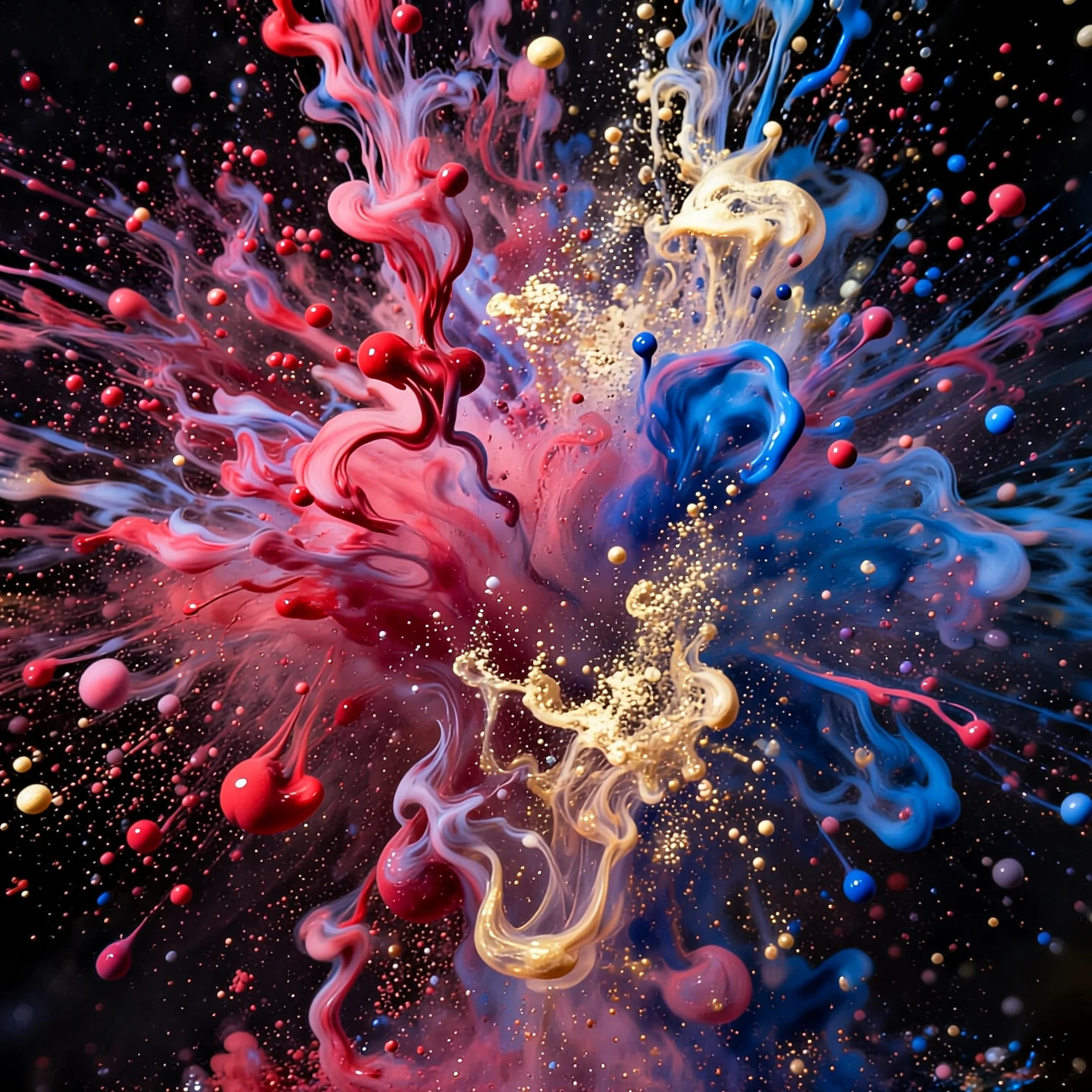
High-speed photography of a colorful paint and powder explosion in a dark studio. Swirls of red, blue, and gold liquid mixing in mid-air. Liquid droplets frozen in time. High contrast, sharp focus, subsurface scattering in the liquid, dynamic composition, 4k, wallpaper quality.

Close-up of a mechanical heart mechanism. Intricate steampunk style. Thousands of tiny brass gears, copper pipes, and steel pistons working together. Steam escaping from small vents. A glowing amber crystal energy source in the center. Vintage atmosphere, cinematic depth of field, sharp focus on the gears, metallic texture.
Mô hình liên quan
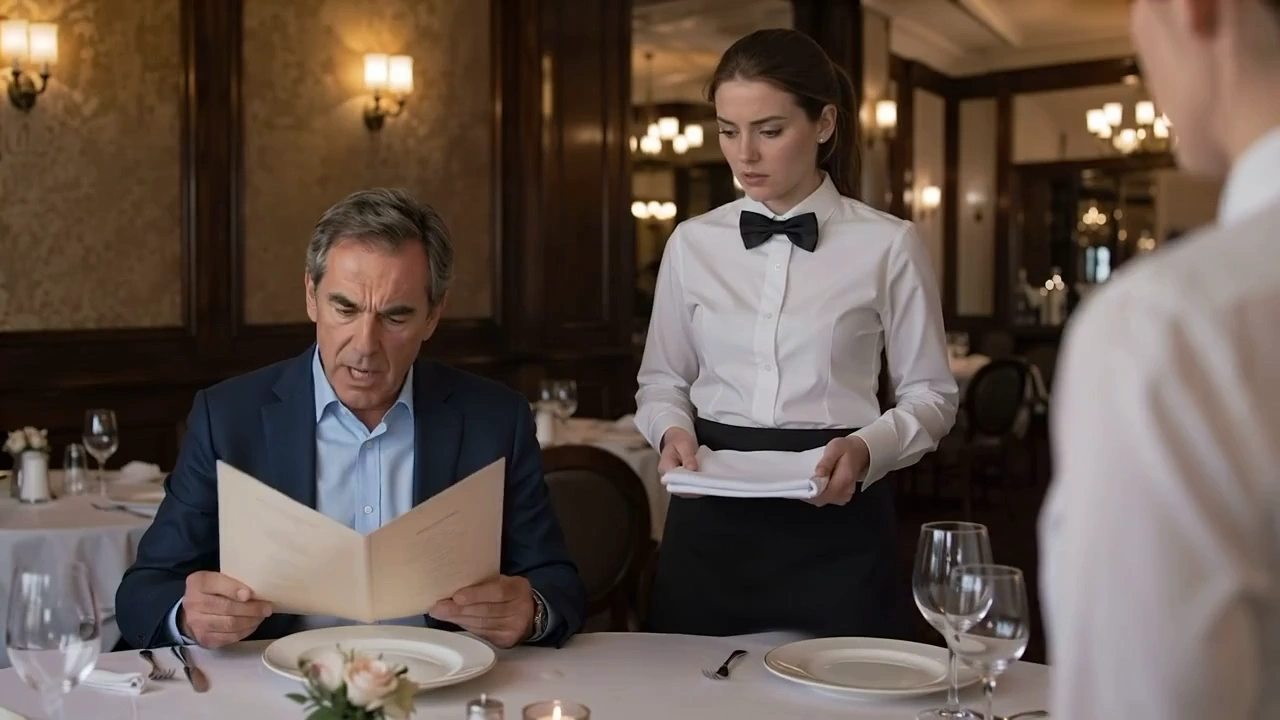

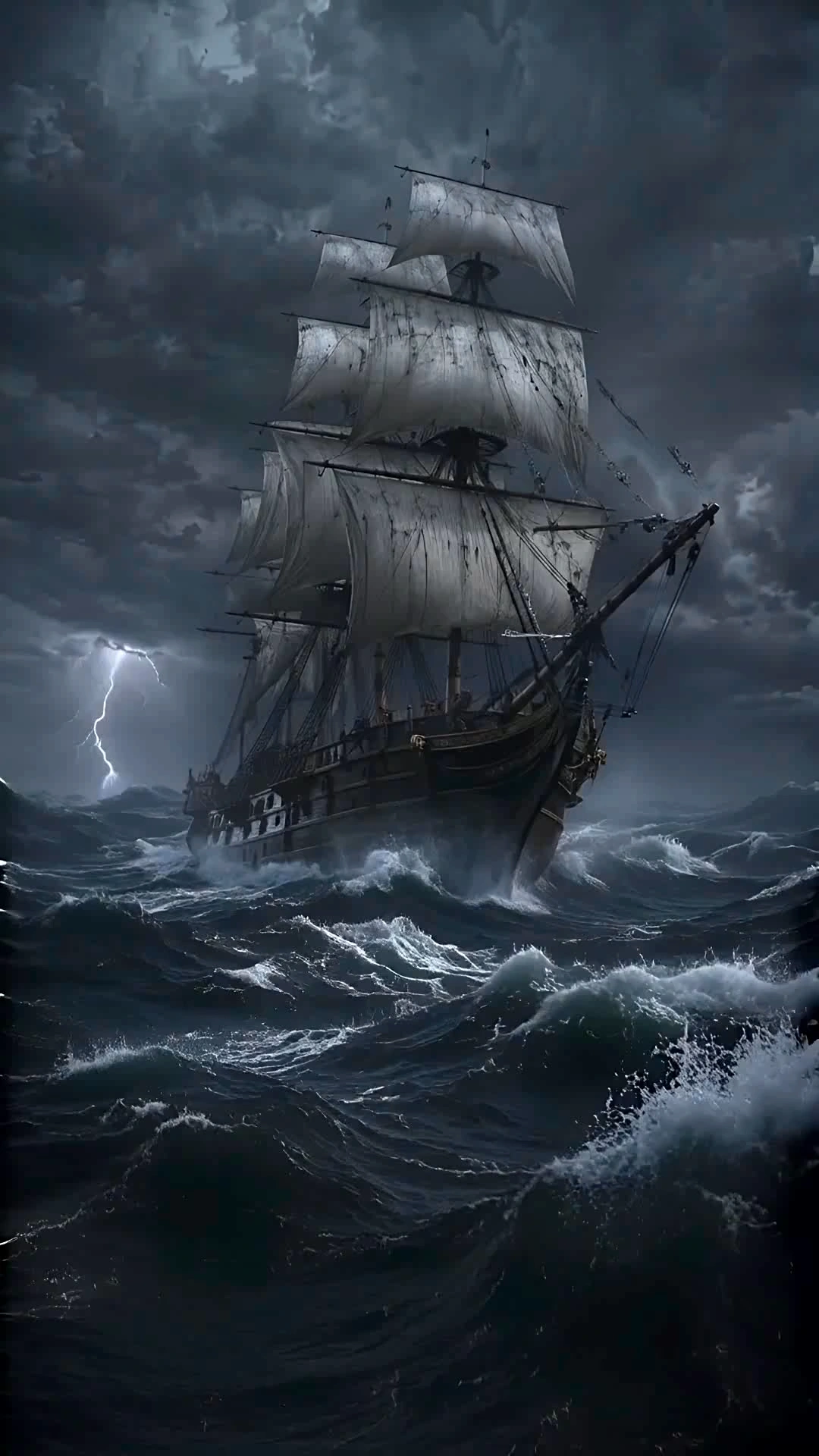
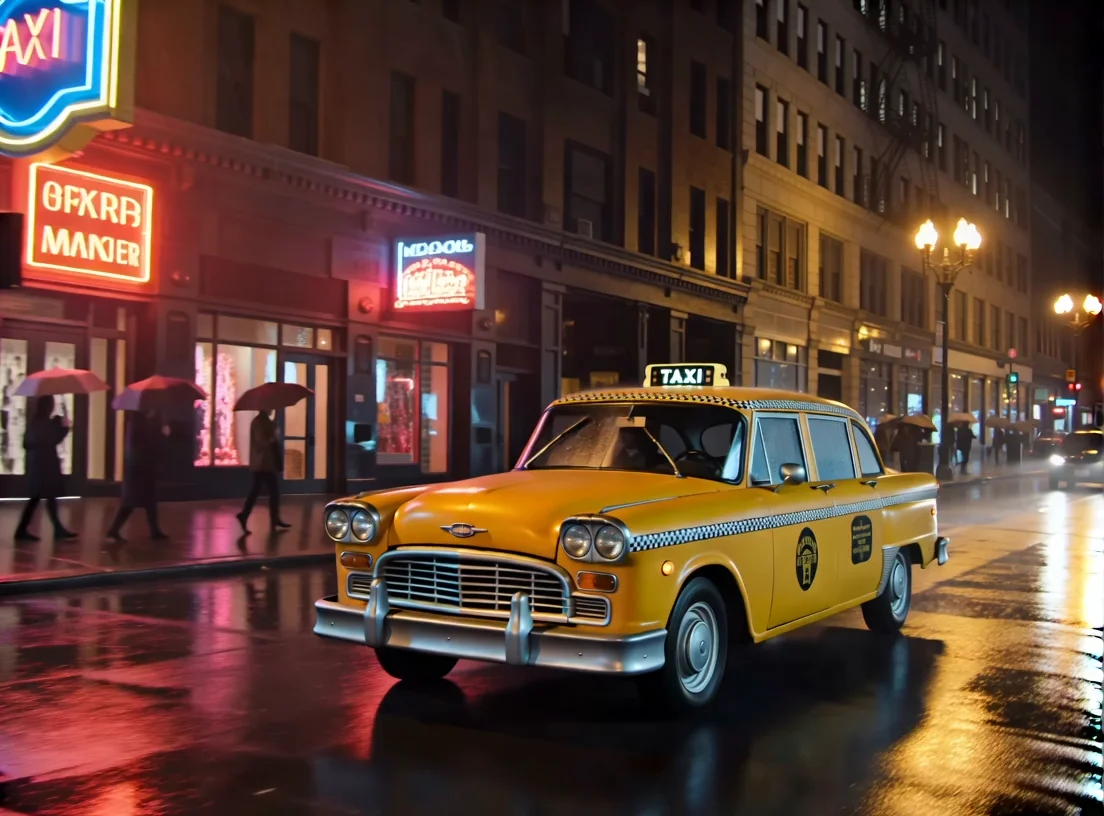

README
vidu/text-to-image-q2 — High-resolution cinematic text-to-image
vidu/text-to-image-q2 is a high-end text-to-image model that focuses on clean composition, cinematic lighting, and high resolutions up to 4K. It’s built for scenarios where a single image has to carry a lot of visual weight: posters, key visuals, thumbnails, or product hero shots.
Why it’s useful
- Cinematic aspect ratios – choose from 1:1, 16:9, 9:16, 4:3, 3:4, 21:9, 2:3, 3:2 for social posts, banners, and vertical feeds.
- High resolutions (1080p → 4K) – generate images ready for large displays, detailed crops, or light print use.
- Prompt-driven style control – supports rich, descriptive prompts for mood, camera angle, lens type, lighting, and composition.
- Consistent structure and detail – strong global coherence makes it suitable for scenes with multiple elements and clear storytelling.
How to use
- prompt* – describe the scene, subject, mood, and style you want (for example: “cinematic nighttime city street, shallow depth of field, dramatic lighting, 35mm film look”).
- aspect_ratio – pick the framing:
- 1:1 for avatars, album covers, square posts
- 16:9 / 21:9 for cinematic or banner shots
- 9:16 for vertical / mobile content
- 4:3, 3:4, 2:3, 3:2 for more traditional photography ratios
- resolution – choose the output quality:
- 1080p – fast preview and web-ready images
- 2K – higher detail for close-ups and cropping
- 4K – maximum sharpness and fidelity
- Run the job, preview the result, and iterate on your prompt if needed.
Pricing
| Resolution | Price per image |
|---|---|
| 1080p | $0.03 |
| 2K | $0.04 |
| 4K | $0.05 |
Tips for best results
- Use specific, photography-style language (lens type, lighting, time of day, camera angle) to get more cinematic images.
- Pair aspect_ratio with prompt hints like “widescreen establishing shot” or “vertical social ad portrait” to guide composition.
- For 4K images, write slightly richer prompts (background, textures, materials) so the extra resolution is filled with meaningful detail.
Text To Image Q2 API — Quick start
Grab a WaveSpeedAI API key, then call POST https://api.wavespeed.ai/api/v3/vidu/text-to-image-q2 with your input as JSON. The endpoint returns a prediction id. Start polling the result endpoint around every 2 seconds, increase the interval for long-running tasks, and stop on any terminal status. On completed, read output values from data.outputs. Examples for Text To Image Q2 below.
HTTP example
set -euo pipefail

: "${WAVESPEED_API_KEY:?Set WAVESPEED_API_KEY}"

REQUEST_BODY=$(cat <<'JSON'
{
    "prompt": "A cinematic shot of a city at sunset, soft golden light",
    "aspect_ratio": "1:1",
    "resolution": "1080p",
    "seed": -1
}
JSON
)

# 1. Submit the prediction.
SUBMIT_RESPONSE=$(curl --silent --show-error --fail-with-body \
  -X POST "https://api.wavespeed.ai/api/v3/vidu/text-to-image-q2" \
  -H "Content-Type: application/json" \
  -H "Authorization: Bearer $WAVESPEED_API_KEY" \
  -d "$REQUEST_BODY")

TASK=$(printf '%s' "$SUBMIT_RESPONSE" | jq 'if has("data") then .data else . end')
PREDICTION_ID=$(printf '%s' "$TASK" | jq -r '.id')
if [ -z "$PREDICTION_ID" ] || [ "$PREDICTION_ID" = "null" ]; then
  printf 'Submission response did not contain a prediction id
' >&2
  exit 1
fi
RESULT_URL=$(printf '%s' "$TASK" | jq -r '.urls.get // empty')
if [ -z "$RESULT_URL" ]; then
  RESULT_URL="https://api.wavespeed.ai/api/v3/predictions/$PREDICTION_ID/result"
fi

# 2. Poll until the prediction finishes.
while true; do
  RESPONSE=$(curl --silent --show-error --fail-with-body "$RESULT_URL" \
    -H "Authorization: Bearer $WAVESPEED_API_KEY")
  RESULT=$(printf '%s' "$RESPONSE" | jq 'if has("data") then .data else . end')
  STATUS=$(printf '%s' "$RESULT" | jq -r '.status')
  case "$STATUS" in
    completed) printf '%s\n' "$RESULT" | jq '.outputs'; break ;;
    failed|cancelled|timeout) printf '%s\n' "$RESULT" | jq . >&2; exit 1 ;;
    created|processing) sleep 2 ;;
    *) printf 'Unexpected status: %s
' "$STATUS" >&2; exit 1 ;;
  esac
done
Node.js example
const submitUrl = "https://api.wavespeed.ai/api/v3/vidu/text-to-image-q2";
const apiKey = process.env.WAVESPEED_API_KEY;
if (!apiKey) throw new Error('Set WAVESPEED_API_KEY');

async function requestJson(url, options = {}) {
  const response = await fetch(url, options);
  if (!response.ok) throw new Error(await response.text());
  return response.json();
}

// 1. Submit the prediction.
const body = await requestJson(submitUrl, {
  method: "POST",
  headers: {
    "Authorization": `Bearer ${apiKey}`,
    "Content-Type": "application/json",
  },
  body: JSON.stringify({
        "prompt": "A cinematic shot of a city at sunset, soft golden light",
        "aspect_ratio": "1:1",
        "resolution": "1080p",
        "seed": -1
}),
});
const task = body.data ?? body;
if (!task.id) throw new Error("Submission response did not contain a prediction id");
const resultUrl = task.urls?.get ||
  `https://api.wavespeed.ai/api/v3/predictions/${task.id}/result`;

// 2. Poll until the prediction finishes.
while (true) {
  const resultBody = await requestJson(resultUrl, {
    headers: { "Authorization": `Bearer ${apiKey}` },
  });
  const result = resultBody.data ?? resultBody;
  if (result.status === "completed") {
    console.log(result.outputs);
    break;
  }
  if (["failed", "cancelled", "timeout"].includes(result.status)) throw new Error(JSON.stringify(result));
  if (!["created", "processing"].includes(result.status)) throw new Error("Unexpected status: " + result.status);
  await new Promise(resolve => setTimeout(resolve, 2000));
}
Python example
import json
import os
import time
from urllib.request import Request, urlopen

api_key = os.environ["WAVESPEED_API_KEY"]
headers = {"Authorization": f"Bearer {api_key}", "Content-Type": "application/json"}
payload = {
    "prompt": "A cinematic shot of a city at sunset, soft golden light",
    "aspect_ratio": "1:1",
    "resolution": "1080p",
    "seed": -1
}

def request_json(url, data=None):
    request = Request(url, data=data, headers=headers, method="POST" if data else "GET")
    with urlopen(request) as response:
        return json.load(response)

# 1. Submit the prediction.
body = request_json("https://api.wavespeed.ai/api/v3/vidu/text-to-image-q2", json.dumps(payload).encode())
task = body.get("data", body)
if not task.get("id"):
    raise RuntimeError("Submission response did not contain a prediction id")
result_url = task.get("urls", {}).get("get") or f"https://api.wavespeed.ai/api/v3/predictions/{task['id']}/result"

# 2. Poll until the prediction finishes.
while True:
    result_body = request_json(result_url)
    result = result_body.get("data", result_body)
    status = result.get("status")
    if status == "completed":
        print(result.get("outputs", []))
        break
    if status in {"failed", "cancelled", "timeout"}:
        raise RuntimeError(result)
    if status not in {"created", "processing"}:
        raise RuntimeError(f"Unexpected status: {status}")
    time.sleep(2)
Text To Image Q2 API — Frequently asked questions
What is the Text To Image Q2 API?
Text To Image Q2 is a Vidu model for image generation, exposed as a REST API on WaveSpeedAI. Vidu Text-to-Image Q2 converts text prompts into high-quality images with exceptional visual detail and creative flexibility. Ready-to-use REST inference API, best performance, no coldstarts, affordable pricing. You can call it programmatically or try it from the playground above.
How do I call the Text To Image Q2 API?
POST your input parameters to the model's REST endpoint (shown in the API tab of this playground) with your WaveSpeedAI API key in the Authorization header. Submission returns a prediction ID. Poll the result endpoint starting around every 2 seconds, increase the interval for long-running tasks, and stop on any terminal status. The playground generates production-oriented Python, JavaScript, and cURL examples with timeouts, transient-error handling, and safe GET retries. Full request/response shape is documented at https://wavespeed.ai/docs/docs-api/vidu/vidu-text-to-image-q2.
How much does Text To Image Q2 cost per run?
Text To Image Q2 starts at $0.030 per run. That figure is the base price — the final charge scales with the parameters you set in the form (output size, length, count, references, or whatever knobs this model exposes), so a higher-quality or larger output costs more than a minimal one. The exact cost for your current input is shown live next to the Generate button before you submit, and the actual per-call charge is recorded on the prediction afterwards.
What inputs does Text To Image Q2 accept?
Key inputs: `prompt`, `aspect_ratio`, `resolution`, `seed`. The full JSON schema (types, defaults, allowed values) is rendered above the Generate button and mirrored in the API reference at https://wavespeed.ai/docs/docs-api/vidu/vidu-text-to-image-q2.
How long does Text To Image Q2 take to generate?
Median end-to-end generation time on WaveSpeedAI is around 38 seconds per request, based on recent successful runs. Queue time varies with global demand; live status is visible in the prediction record.
Can I use Text To Image Q2 outputs commercially?
Commercial usage rights depend on the model's license, set by its provider (Vidu). The license summary appears on the model card above; see WaveSpeedAI's Terms of Service for platform-level conditions.