Vidu Q3 Pro Image-to-Video animates still images with high-quality motion via viduq3-pro (1–16s). Billing follows Vidu's published Q3-pro per-second rates by resolution. Ready-to-use REST inference API on WaveSpeed.
Chờ
$0.25cho mỗi lần chạy·~40 / $10
Ví dụXem tất cả
Use the input image as the first frame. Preserve the same woman, face identity, suitcase, outfit, bus stop, lighting, rainy atmosphere, and composition. Light rain falls gently, reflections shimmer on the wet street, and distant bus headlights slowly approach. The woman slightly tightens her grip on the suitcase and looks toward the road. The camera slowly pushes in, creating a quiet emotional cinematic moment. Realistic motion, stable identity, no flicker, no distortion, no morphing.
Mô hình liên quan
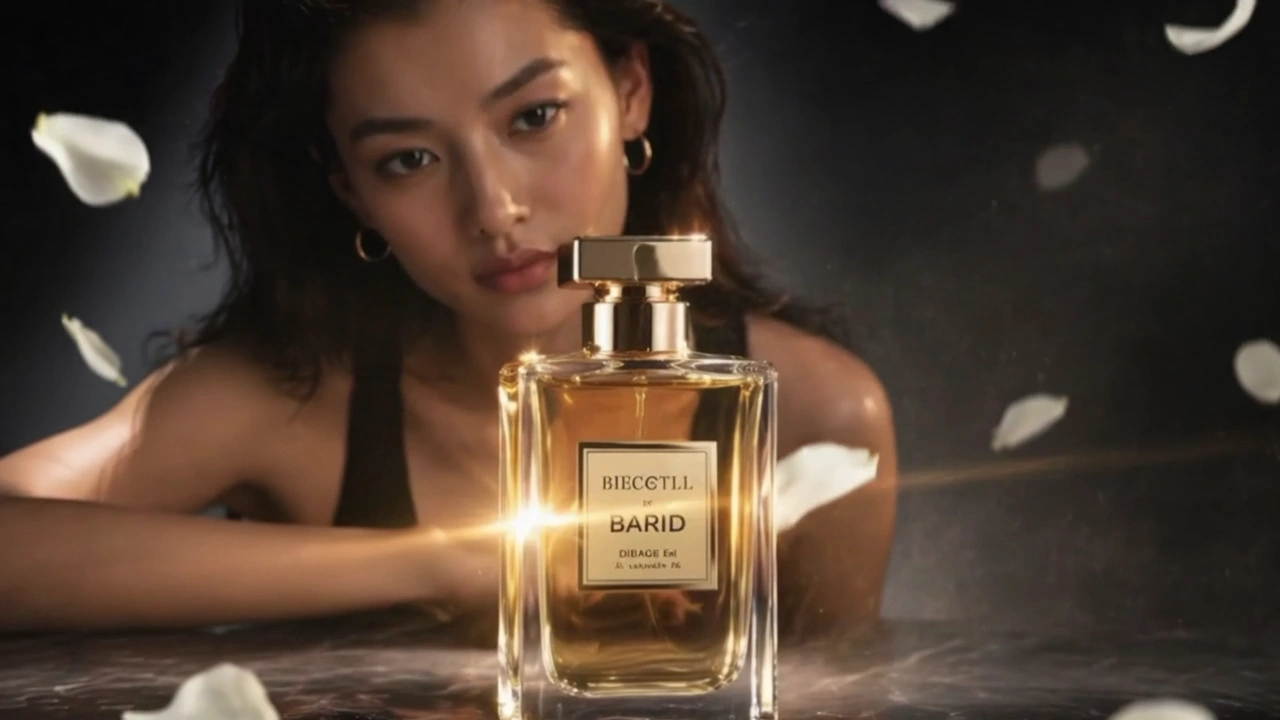



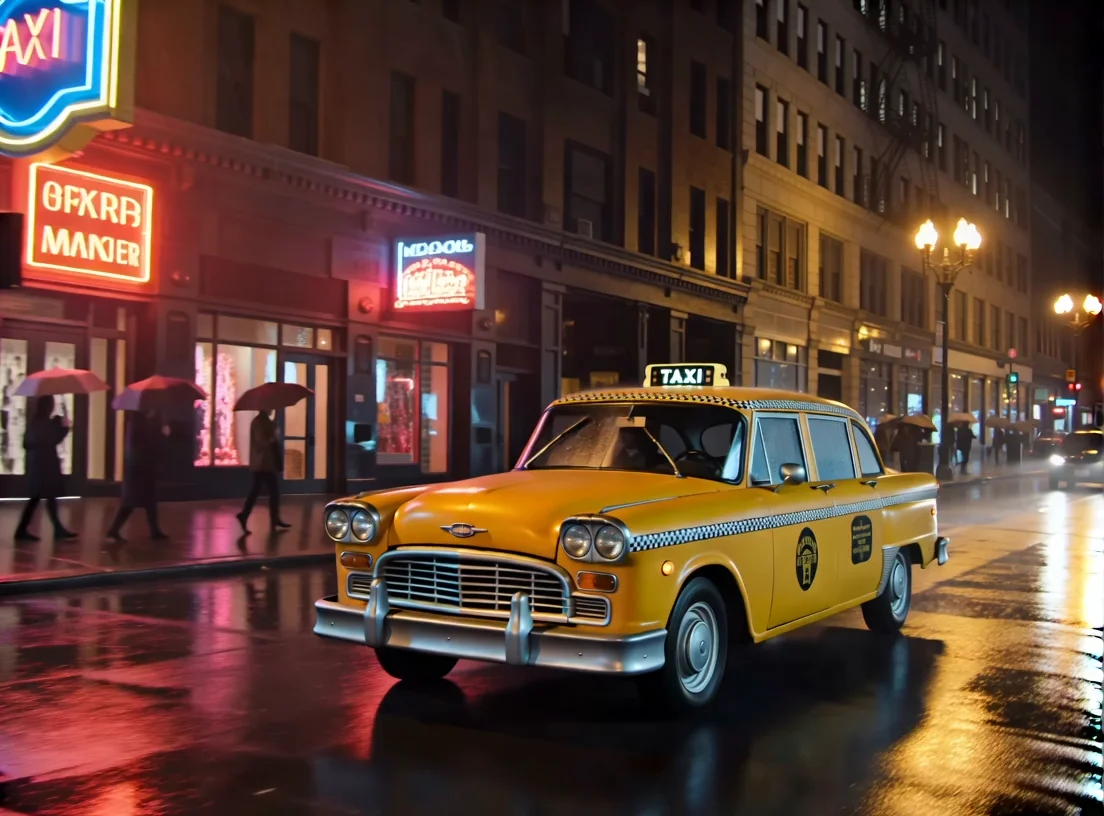
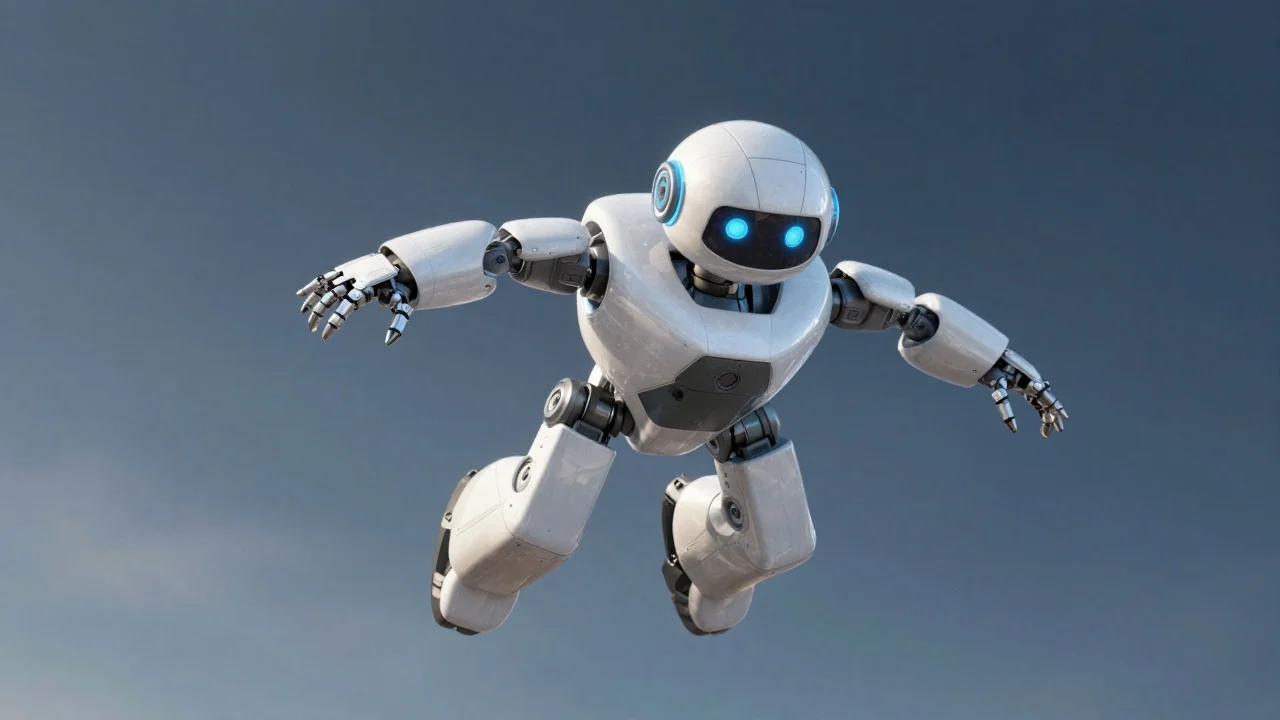
README
Vidu Q3 Pro Image-to-Video
Vidu Q3 Pro Image-to-Video transforms a reference image into a generated video clip with prompt-guided motion, controllable duration, resolution options, movement amplitude settings, and optional audio generation. It is designed for cinematic image animation, commercial visuals, social content, and other image-driven video generation workflows.
Why Choose This?
-
Image-guided video generation Start from a reference image and generate motion while preserving the core scene, subject, and visual identity.
-
Prompt-based motion control Use a text prompt to describe the motion, atmosphere, camera feel, and overall scene progression.
-
Flexible movement intensity Adjust
movement_amplitudeto control how subtle or dramatic the motion should be. -
Optional audio generation Enable generated audio and optional background music for a more complete output.
-
Multiple resolution options Choose between
540p,720p, and1080pdepending on your quality and cost needs. -
Production-ready API Suitable for animated keyframes, marketing content, social video, concept visualization, and cinematic motion design workflows.
Parameters
| Parameter | Required | Description |
|---|---|---|
| image | Yes | Reference image used as the starting visual input for video generation. |
| prompt | Yes | Positive prompt describing the desired motion, style, and scene behavior. |
| resolution | No | Output resolution: 540p, 720p (default), or 1080p. |
| duration | No | Video duration in seconds. Range: 1–16. Default: 5. |
| movement_amplitude | No | Motion intensity: auto, small, medium, or large. Default: auto. |
| generate_audio | No | Whether to generate audio. Default: true. |
| bgm | No | Whether to include background music in the generated output. Default: true. |
| seed | No | Random seed for reproducibility. Use -1 for random generation. |
How to Use
- Upload your image — provide the reference image you want to animate.
- Write your prompt — describe the motion, scene progression, style, and atmosphere you want.
- Choose resolution — use
540p,720p, or1080pbased on your quality and budget needs. - Set duration — choose the desired video length between
1and16seconds. - Adjust movement amplitude (optional) — use
small,medium, orlarge, or leave it onauto. - Configure audio options (optional) — enable or disable generated audio and background music.
- Set a seed (optional) — use
-1for random output, or a fixed seed for more reproducible generations. - Submit — run the model and download the generated video.
Example Prompt
A cinematic travel shot of a lone figure standing on a desert road at sunset, warm natural light, subtle wind moving clothing and dust, slow camera pullback, realistic motion, stable composition
Pricing
Pricing is based on duration and resolution.
| Resolution | 5s Cost | Per Second |
|---|---|---|
| 540p | $0.25 | $0.05 |
| 720p | $0.625 | $0.125 |
| 1080p | $0.75 | $0.15 |
Example Costs
| Resolution | 1s | 5s | 10s | 16s |
|---|---|---|---|---|
| 540p | $0.05 | $0.25 | $0.50 | $0.80 |
| 720p | $0.125 | $0.625 | $1.25 | $2.00 |
| 1080p | $0.15 | $0.75 | $1.50 | $2.40 |
Billing Rules
- Base price is $0.25 per 5 seconds at
540p 720pcosts 2.5× the base rate1080pcosts 3× the base rate- Pricing scales linearly with
duration movement_amplitude,generate_audio,bgm, andseeddo not affect pricing
Best Use Cases
- Image animation — Turn still images into short video clips with controlled motion.
- Marketing creatives — Create animated hero visuals, ad content, and branded motion assets.
- Social media video — Generate short-form animated clips for posts, reels, and promotional content.
- Concept visualization — Bring keyframes, illustrations, or photo concepts to life with motion.
- Atmospheric storytelling — Add subtle camera motion and scene dynamics to still images.
- Audio-enabled video generation — Produce outputs with generated audio and background music for richer presentation.
Pro Tips
- Use a clean, high-quality reference image for better stability and subject preservation.
- Be specific in your prompt about motion, camera behavior, and atmosphere.
- Start with
540por720pfor testing, then switch to1080pfor higher-quality final outputs. - Use
smallormediummovement amplitude when you want more stable and natural animation. - Keep
largemovement amplitude for scenes that can tolerate stronger motion. - Reuse the same
seedwhen you want more consistent variations.
Notes
- Both
imageandpromptare required. durationsupports1–16seconds.resolutiondefaults to720p.movement_amplitudedefaults toauto.generate_audioandbgmdefault totrue.seeduses-1for random generation.- Pricing depends only on
durationandresolution.
Related Models
- vidu/q3-pro/start-end-to-video - Vidu video generation models may be useful when you need different quality, speed, or workflow trade-offs.
Q3 Pro Image To Video API — Quick start
Grab a WaveSpeedAI API key, then call POST https://api.wavespeed.ai/api/v3/vidu/q3-pro/image-to-video with your input as JSON. The endpoint returns a prediction id. Start polling the result endpoint around every 2 seconds, increase the interval for long-running tasks, and stop on any terminal status. On completed, read output values from data.outputs. Examples for Q3 Pro Image To Video below.
HTTP example
set -euo pipefail

: "${WAVESPEED_API_KEY:?Set WAVESPEED_API_KEY}"

REQUEST_BODY=$(cat <<'JSON'
{
    "prompt": "A cinematic shot of a city at sunset, soft golden light",
    "image": "https://interactive-examples.mdn.mozilla.net/media/cc0-images/painted-hand-298-332.jpg",
    "resolution": "720p",
    "duration": 5,
    "movement_amplitude": "auto",
    "generate_audio": true,
    "bgm": true
}
JSON
)

# 1. Submit the prediction.
SUBMIT_RESPONSE=$(curl --silent --show-error --fail-with-body \
  -X POST "https://api.wavespeed.ai/api/v3/vidu/q3-pro/image-to-video" \
  -H "Content-Type: application/json" \
  -H "Authorization: Bearer $WAVESPEED_API_KEY" \
  -d "$REQUEST_BODY")

TASK=$(printf '%s' "$SUBMIT_RESPONSE" | jq 'if has("data") then .data else . end')
PREDICTION_ID=$(printf '%s' "$TASK" | jq -r '.id')
if [ -z "$PREDICTION_ID" ] || [ "$PREDICTION_ID" = "null" ]; then
  printf 'Submission response did not contain a prediction id
' >&2
  exit 1
fi
RESULT_URL=$(printf '%s' "$TASK" | jq -r '.urls.get // empty')
if [ -z "$RESULT_URL" ]; then
  RESULT_URL="https://api.wavespeed.ai/api/v3/predictions/$PREDICTION_ID/result"
fi

# 2. Poll until the prediction finishes.
while true; do
  RESPONSE=$(curl --silent --show-error --fail-with-body "$RESULT_URL" \
    -H "Authorization: Bearer $WAVESPEED_API_KEY")
  RESULT=$(printf '%s' "$RESPONSE" | jq 'if has("data") then .data else . end')
  STATUS=$(printf '%s' "$RESULT" | jq -r '.status')
  case "$STATUS" in
    completed) printf '%s\n' "$RESULT" | jq '.outputs'; break ;;
    failed|cancelled|timeout) printf '%s\n' "$RESULT" | jq . >&2; exit 1 ;;
    created|processing) sleep 2 ;;
    *) printf 'Unexpected status: %s
' "$STATUS" >&2; exit 1 ;;
  esac
done
Node.js example
const submitUrl = "https://api.wavespeed.ai/api/v3/vidu/q3-pro/image-to-video";
const apiKey = process.env.WAVESPEED_API_KEY;
if (!apiKey) throw new Error('Set WAVESPEED_API_KEY');

async function requestJson(url, options = {}) {
  const response = await fetch(url, options);
  if (!response.ok) throw new Error(await response.text());
  return response.json();
}

// 1. Submit the prediction.
const body = await requestJson(submitUrl, {
  method: "POST",
  headers: {
    "Authorization": `Bearer ${apiKey}`,
    "Content-Type": "application/json",
  },
  body: JSON.stringify({
        "prompt": "A cinematic shot of a city at sunset, soft golden light",
        "image": "https://interactive-examples.mdn.mozilla.net/media/cc0-images/painted-hand-298-332.jpg",
        "resolution": "720p",
        "duration": 5,
        "movement_amplitude": "auto",
        "generate_audio": true,
        "bgm": true
}),
});
const task = body.data ?? body;
if (!task.id) throw new Error("Submission response did not contain a prediction id");
const resultUrl = task.urls?.get ||
  `https://api.wavespeed.ai/api/v3/predictions/${task.id}/result`;

// 2. Poll until the prediction finishes.
while (true) {
  const resultBody = await requestJson(resultUrl, {
    headers: { "Authorization": `Bearer ${apiKey}` },
  });
  const result = resultBody.data ?? resultBody;
  if (result.status === "completed") {
    console.log(result.outputs);
    break;
  }
  if (["failed", "cancelled", "timeout"].includes(result.status)) throw new Error(JSON.stringify(result));
  if (!["created", "processing"].includes(result.status)) throw new Error("Unexpected status: " + result.status);
  await new Promise(resolve => setTimeout(resolve, 2000));
}
Python example
import json
import os
import time
from urllib.request import Request, urlopen

api_key = os.environ["WAVESPEED_API_KEY"]
headers = {"Authorization": f"Bearer {api_key}", "Content-Type": "application/json"}
payload = {
    "prompt": "A cinematic shot of a city at sunset, soft golden light",
    "image": "https://interactive-examples.mdn.mozilla.net/media/cc0-images/painted-hand-298-332.jpg",
    "resolution": "720p",
    "duration": 5,
    "movement_amplitude": "auto",
    "generate_audio": True,
    "bgm": True
}

def request_json(url, data=None):
    request = Request(url, data=data, headers=headers, method="POST" if data else "GET")
    with urlopen(request) as response:
        return json.load(response)

# 1. Submit the prediction.
body = request_json("https://api.wavespeed.ai/api/v3/vidu/q3-pro/image-to-video", json.dumps(payload).encode())
task = body.get("data", body)
if not task.get("id"):
    raise RuntimeError("Submission response did not contain a prediction id")
result_url = task.get("urls", {}).get("get") or f"https://api.wavespeed.ai/api/v3/predictions/{task['id']}/result"

# 2. Poll until the prediction finishes.
while True:
    result_body = request_json(result_url)
    result = result_body.get("data", result_body)
    status = result.get("status")
    if status == "completed":
        print(result.get("outputs", []))
        break
    if status in {"failed", "cancelled", "timeout"}:
        raise RuntimeError(result)
    if status not in {"created", "processing"}:
        raise RuntimeError(f"Unexpected status: {status}")
    time.sleep(2)
Q3 Pro Image To Video API — Frequently asked questions
What is the Q3 Pro Image To Video API?
Q3 Pro Image To Video is a Vidu model for video generation from images, exposed as a REST API on WaveSpeedAI. Vidu Q3 Pro Image-to-Video animates still images with high-quality motion via viduq3-pro (1–16s). Billing follows Vidu's published Q3-pro per-second rates by resolution. Ready-to-use REST inference API on WaveSpeed. You can call it programmatically or try it from the playground above.
How do I call the Q3 Pro Image To Video API?
POST your input parameters to the model's REST endpoint (shown in the API tab of this playground) with your WaveSpeedAI API key in the Authorization header. Submission returns a prediction ID. Poll the result endpoint starting around every 2 seconds, increase the interval for long-running tasks, and stop on any terminal status. The playground generates production-oriented Python, JavaScript, and cURL examples with timeouts, transient-error handling, and safe GET retries. Full request/response shape is documented at https://wavespeed.ai/docs/docs-api/vidu/vidu-q3-pro-image-to-video.
How much does Q3 Pro Image To Video cost per run?
Q3 Pro Image To Video starts at $0.25 per run. That figure is the base price — the final charge scales with the parameters you set in the form (output size, length, count, references, or whatever knobs this model exposes), so a higher-quality or larger output costs more than a minimal one. The exact cost for your current input is shown live next to the Generate button before you submit, and the actual per-call charge is recorded on the prediction afterwards.
What inputs does Q3 Pro Image To Video accept?
Key inputs: `prompt`, `image`, `resolution`, `duration`, `seed`, `bgm`. The full JSON schema (types, defaults, allowed values) is rendered above the Generate button and mirrored in the API reference at https://wavespeed.ai/docs/docs-api/vidu/vidu-q3-pro-image-to-video.
How long does Q3 Pro Image To Video take to generate?
Median end-to-end generation time on WaveSpeedAI is around 87 seconds per request, based on recent successful runs. Queue time varies with global demand; live status is visible in the prediction record.
Can I use Q3 Pro Image To Video outputs commercially?
Commercial usage rights depend on the model's license, set by its provider (Vidu). The license summary appears on the model card above; see WaveSpeedAI's Terms of Service for platform-level conditions.