Bria 3.2 is a commercial-ready text-to-image model with 4B parameters, delivering exceptional aesthetics and accurate text rendering. Ready-to-use REST inference API, no coldstarts, best performance, affordable pricing.
ว่าง
$0.04ต่อครั้ง·~25 / $1
ตัวอย่างดูทั้งหมด
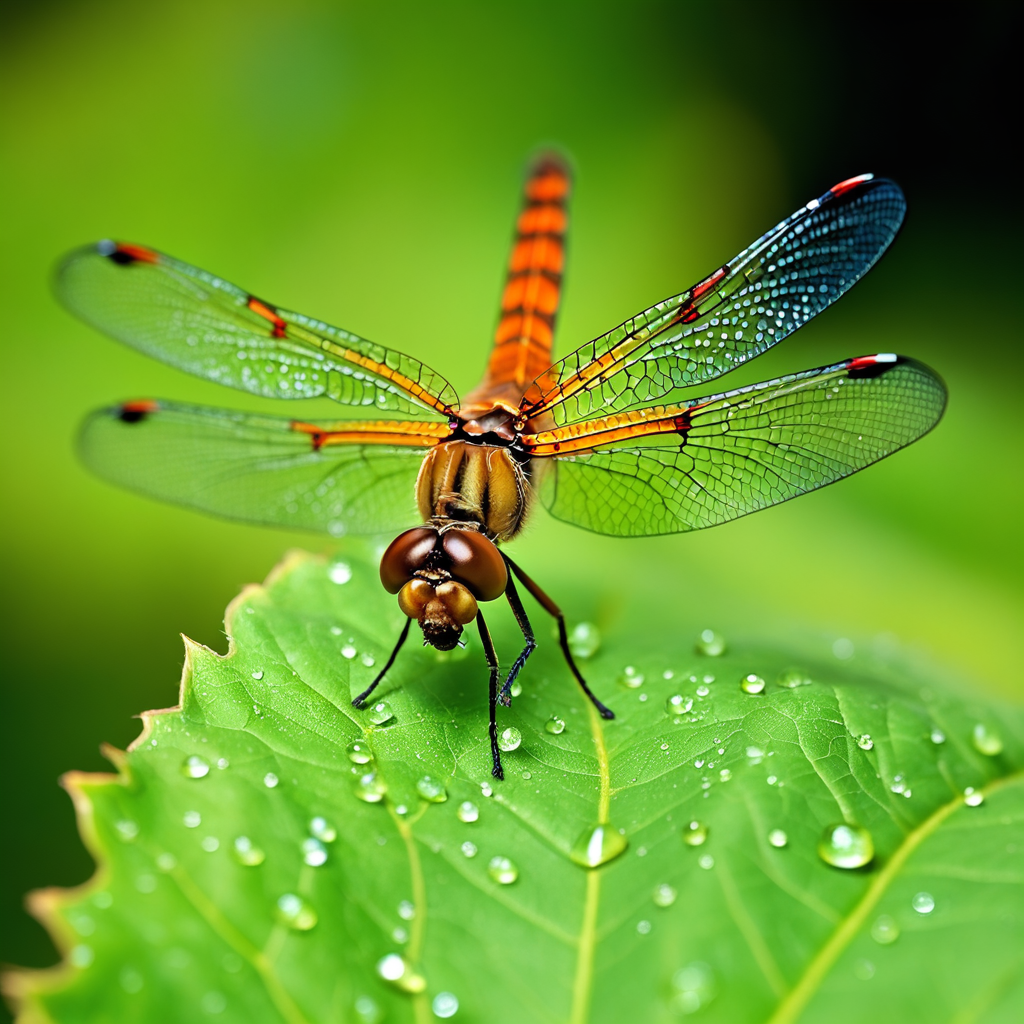
Extreme close-up macro photograph of a dragonfly's wing resting on a leaf. Intricate, iridescent geometric patterns of the wing are visible, with tiny morning dew drops clinging to the surface, refracting light like tiny prisms. The leaf is a vibrant green with sharp veins. Hyper-detailed, photorealistic, shallow depth of field, bokeh.
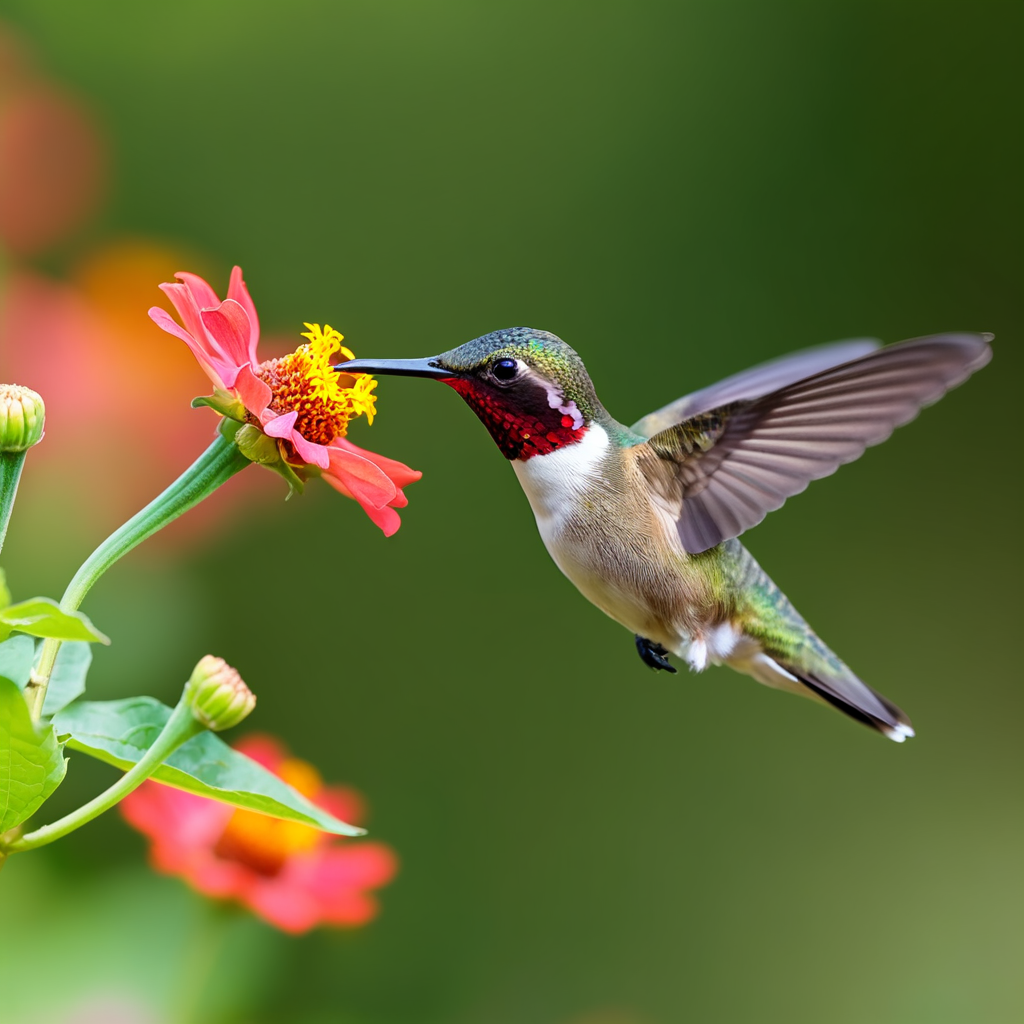
Hummingbird hovering near a blooming flower
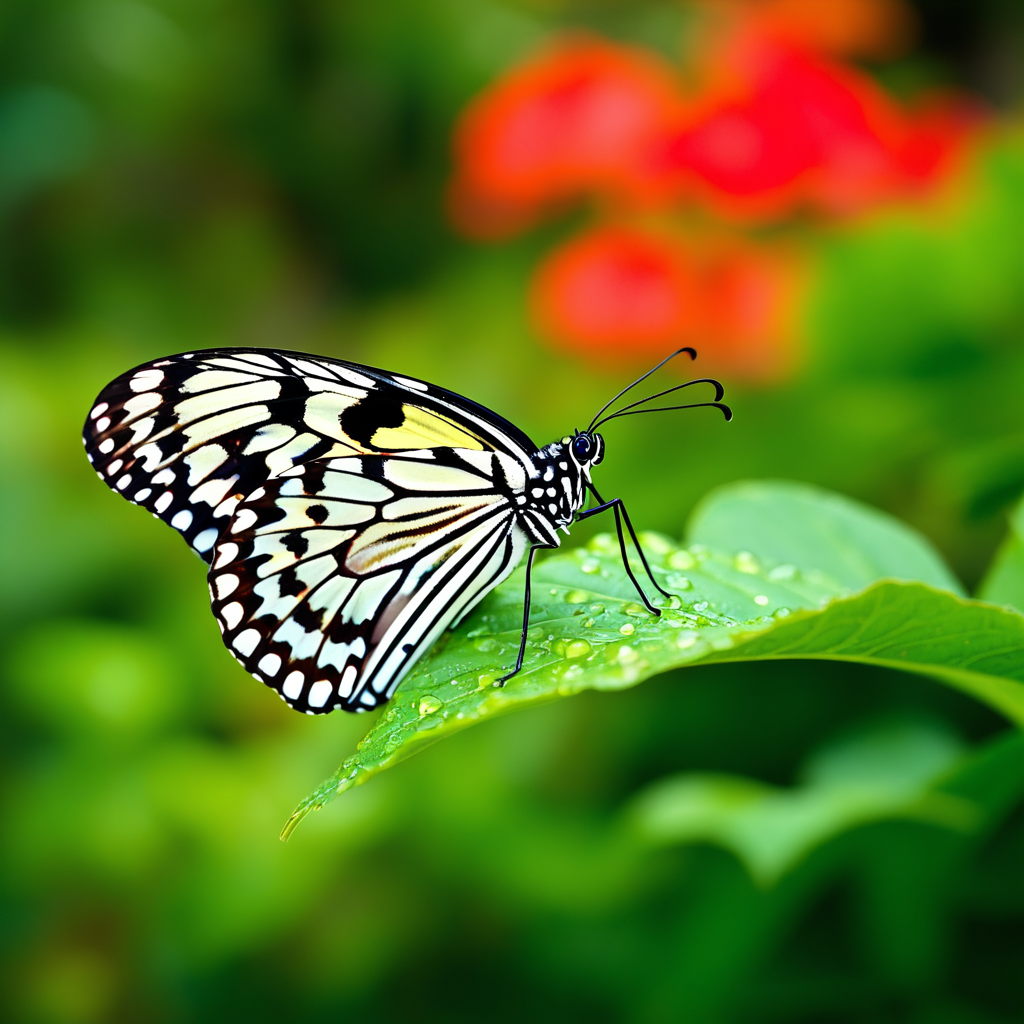
Butterfly resting on a wet leaf
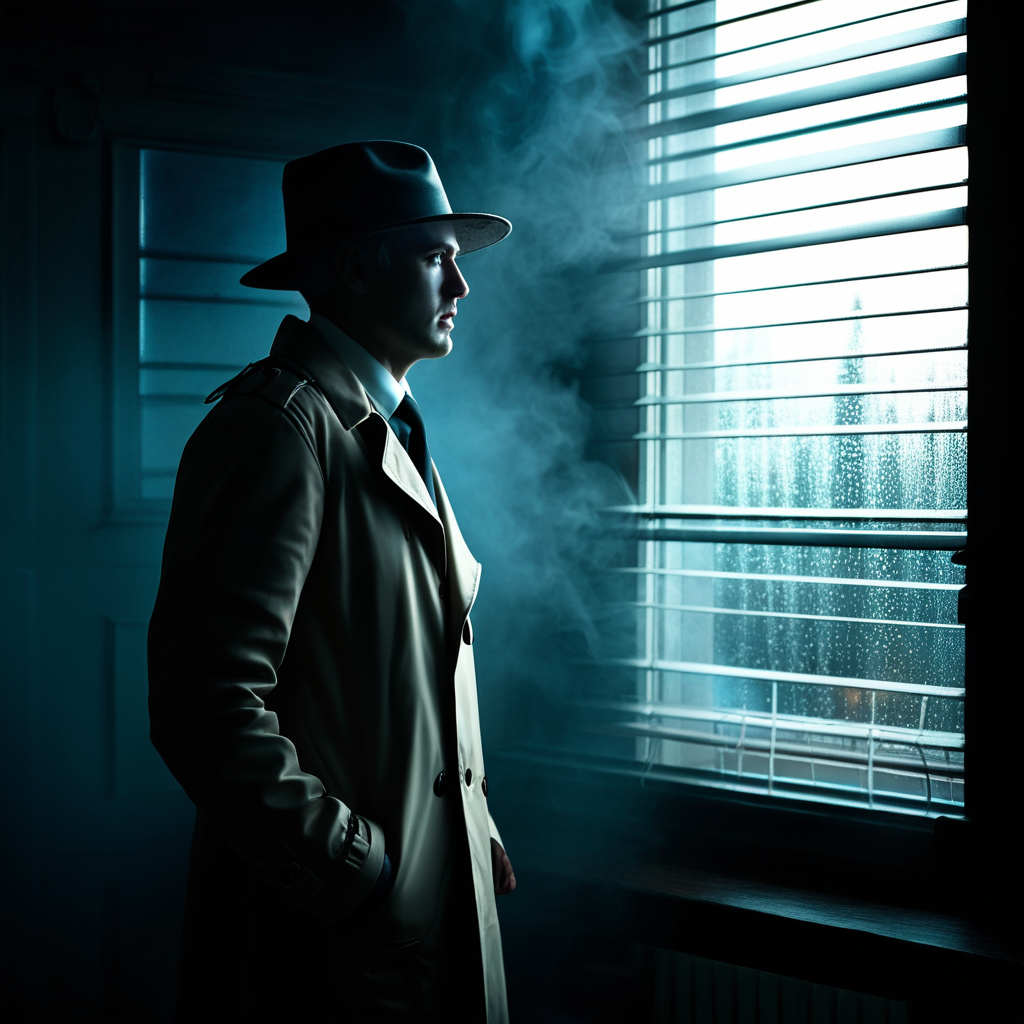
A classic film noir scene. A lone, hard-boiled detective in a fedora and trench coat stands in a dimly lit, smoke-filled office. Blinds on the window cast stark, dramatic shadows across the room. Rain streaks down the glass, reflecting a flickering neon sign from outside. Moody, high contrast, black and white (or desaturated color), cinematic, 1940s aesthetic.
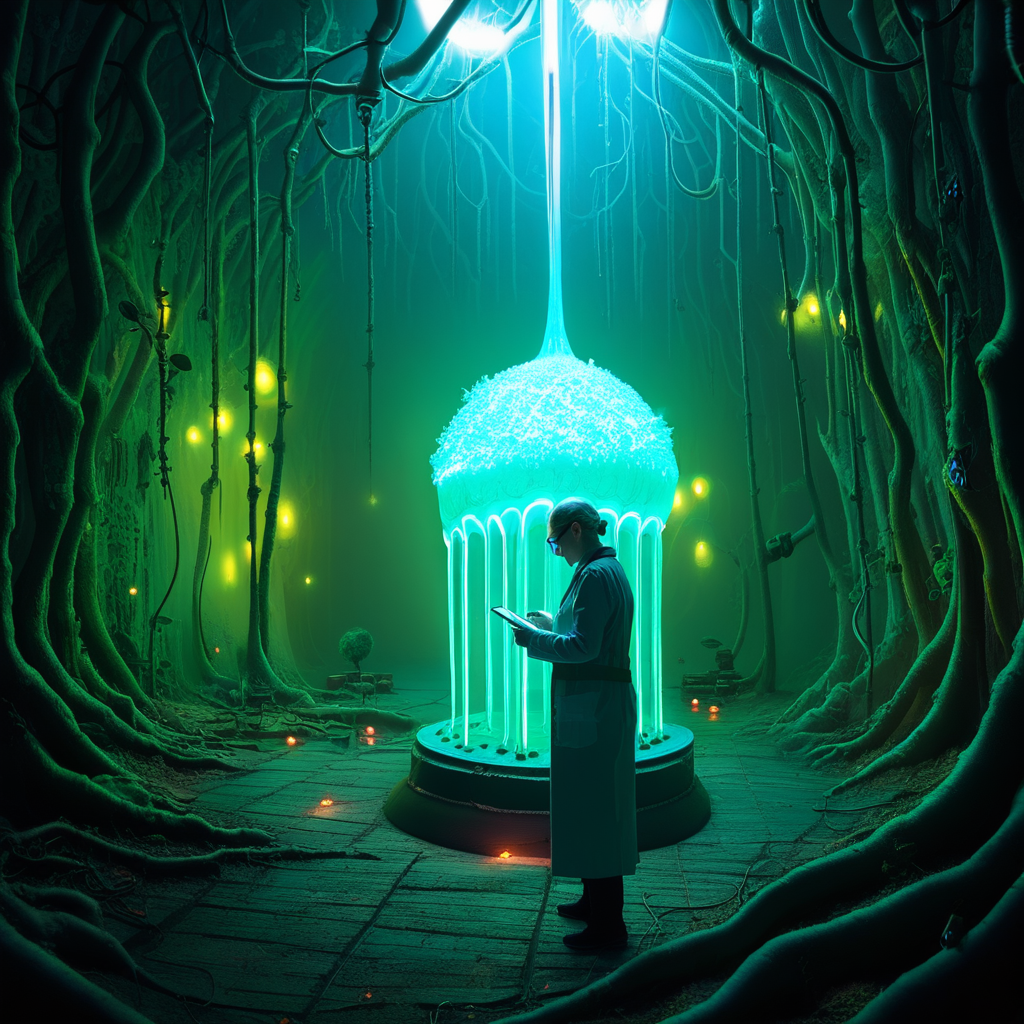
A biopunk laboratory where nature and technology have merged. A scientist studies a giant, translucent plant specimen that glows with an internal, pulsating blue light. Walls are made of living, bioluminescent fungus, and intricate root systems serve as data cables. Eerie, organic, futuristic, detailed, 'Annihilation' inspired.
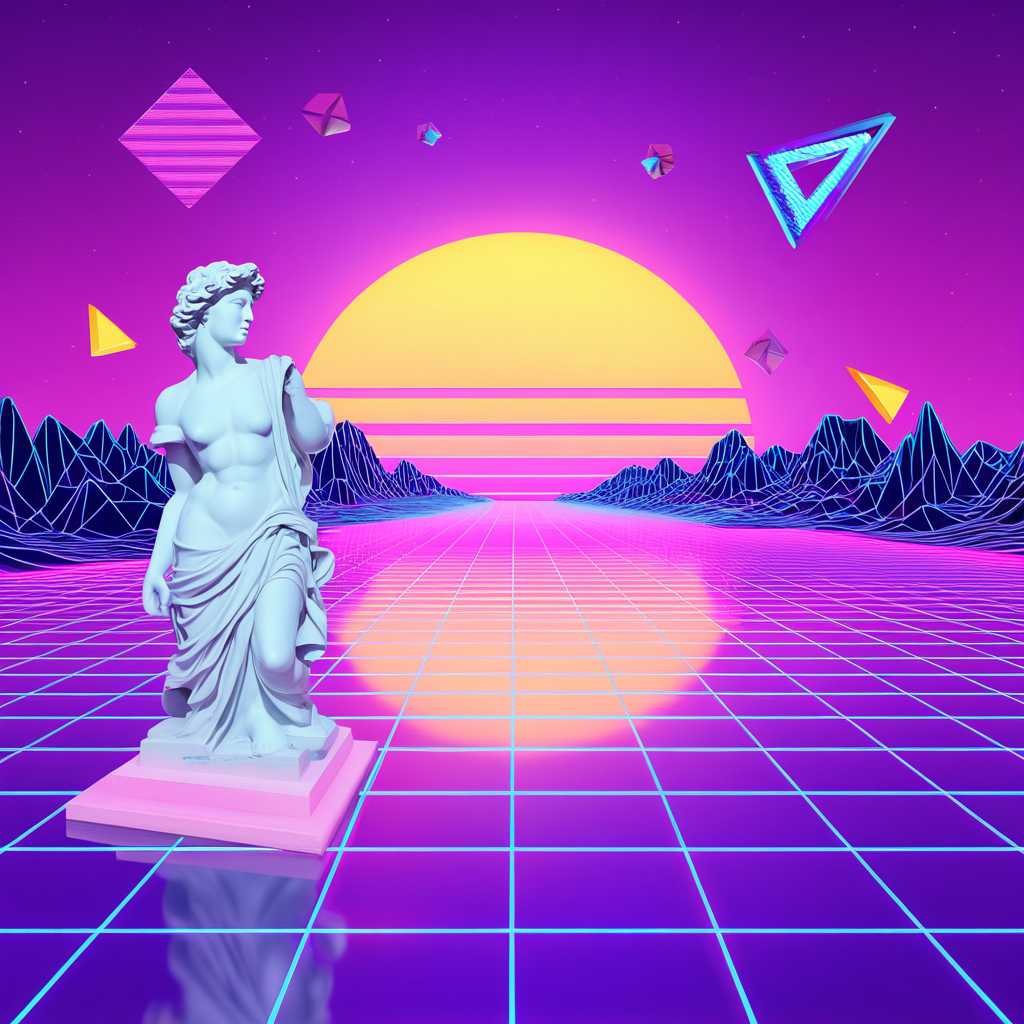
A surreal vaporwave dreamscape. A classic marble statue stands in a pool of pink, reflective water. The background is a digital grid landscape under a purple-pink gradient sky, with a low-resolution sun setting. Floating geometric shapes and digital artifacts drift by. Aesthetic, retro, 80s computer graphics, nostalgic, lo-fi.
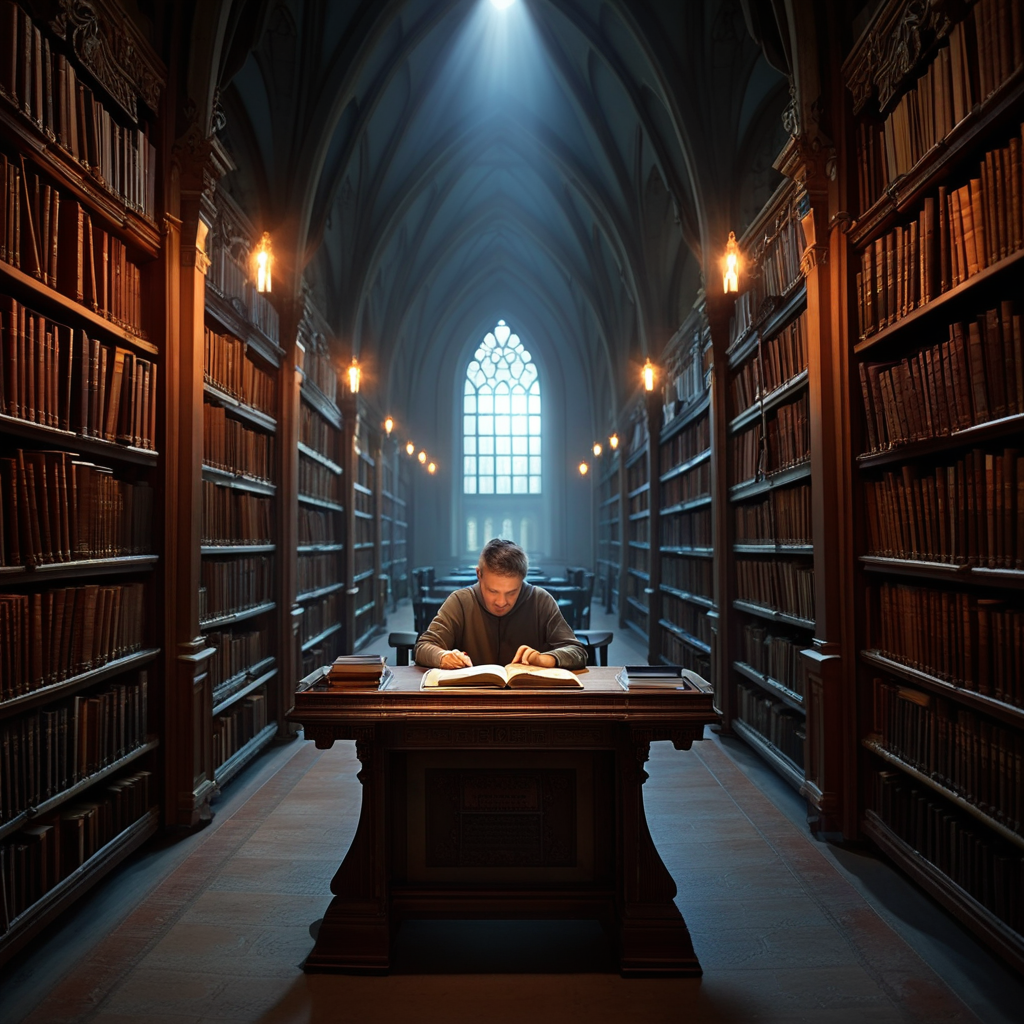
An ancient, gothic university library at night, lit only by candlelight and moonlight. Towering shelves filled with leather-bound books reach a vaulted ceiling. A student sits at a heavy oak desk, poring over an old manuscript. Dust motes dance in the beams of moonlight. Atmospheric, moody, scholarly, dark academia, mysterious.
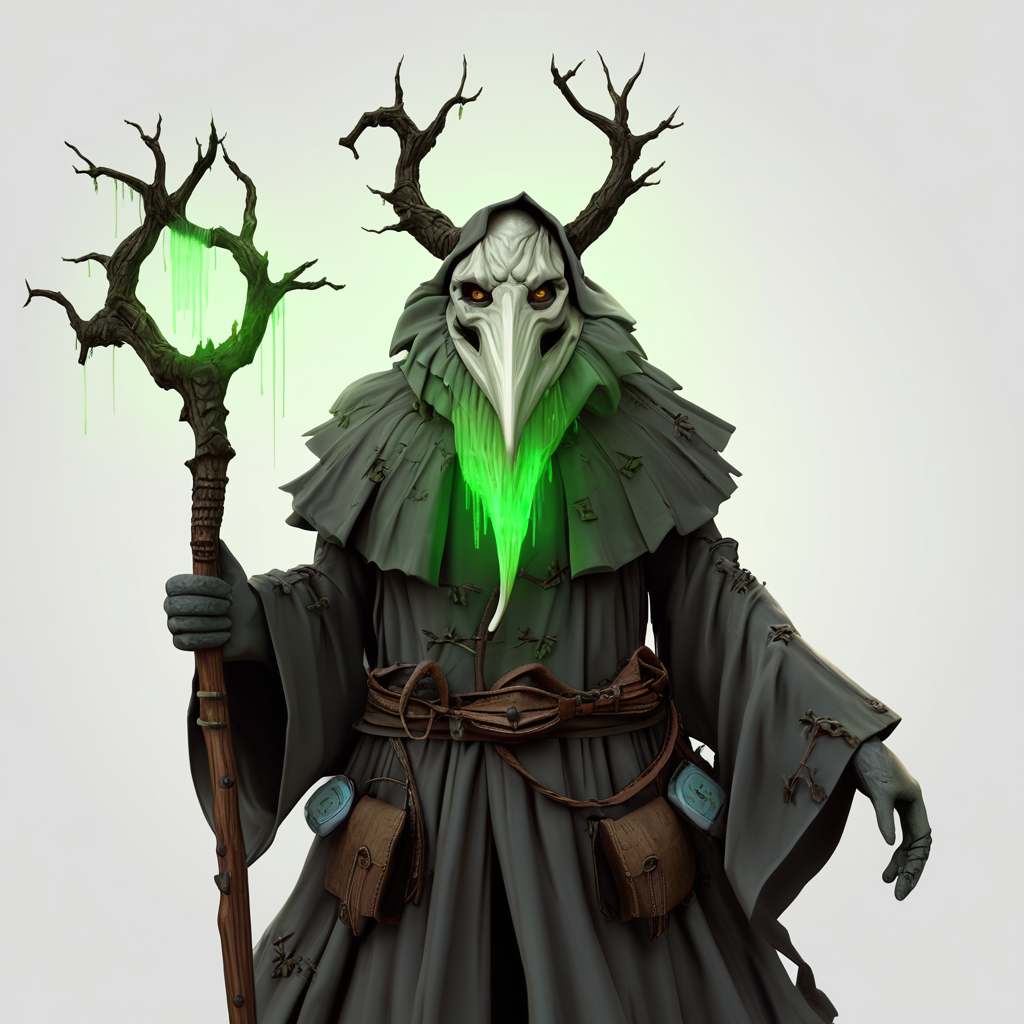
Full-body concept art of a plague doctor druid. They wear a long, dark robe made of stitched-together leaves and bark, and a classic beaked mask carved from pale wood. A gnarled wooden staff, glowing with faint green energy, is held in their gloved hand. A belt holds various pouches and glowing vials. Fantasy, character design sheet, detailed, isolated on white background.
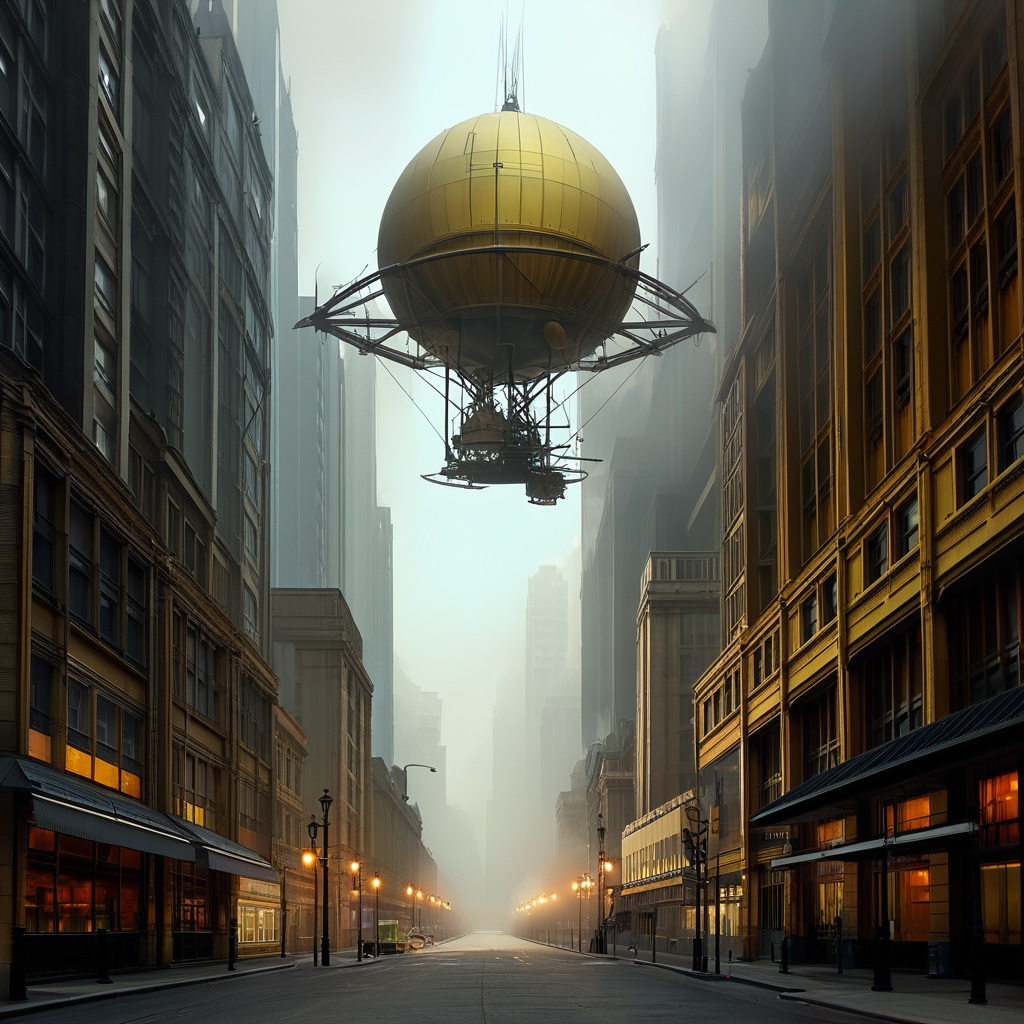
A street-level view of a gritty, towering Dieselpunk city, dominated by massive brass and iron structures inspired by Art Deco architecture. A colossal zeppelin, bristling with machinery, is moored to a skyscraper. The air is thick with smoke and smog, lit by harsh spotlights. Gritty, industrial, 1930s aesthetic, high contrast, cinematic.
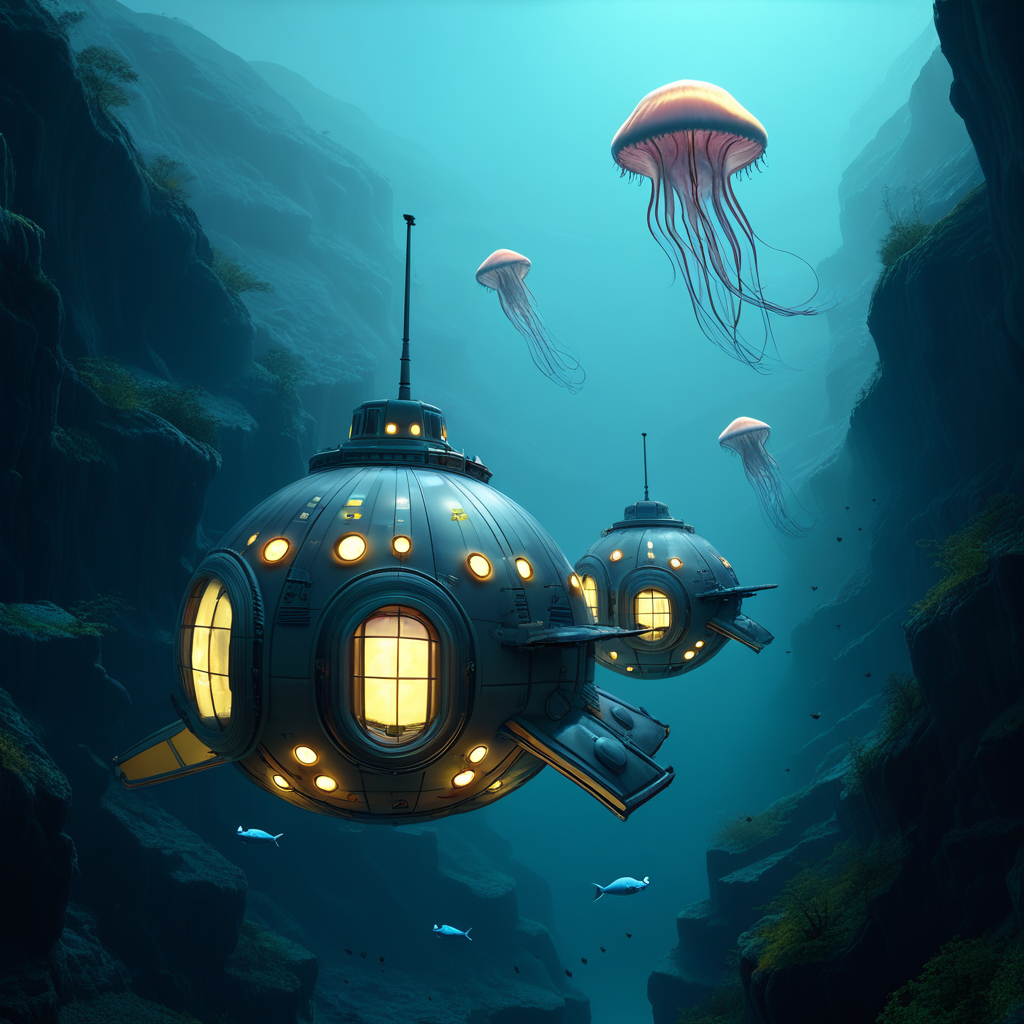
A panoramic view of a bioluminescent underwater city encased in massive, interconnected glass domes on the ocean floor. Sleek, manta-ray-shaped submarines glide between structures. Giant, glowing jellyfish and schools of exotic fish swim past, while deep ocean trenches loom in the dark, mysterious background. Utopian, futuristic, aquatic, detailed, glowing.
โมเดลที่เกี่ยวข้อง

README
Bria Text-to-Image 3.2
Bria T2I 3.2 turns text prompts into high-quality images with reliable composition, strong detail, and style control. It supports negative prompts, a wide range of aspect ratios, deterministic seed control, and API options for sync and BASE64 output. Trained on licensed data for compliant commercial use.
✨ Highlights
- Crisp, production-ready renders with balanced lighting and clean details.
- Composition control via aspect ratios and negative prompts.
- Deterministic generation using a fixed seed, or explore variants with random seeds.
- Workflow friendly: synchronous result fetch or lightweight async polling; URL or BASE64 delivery.
🧩 Parameters (1:1 with the panel)
-
prompt* (string, required) Describe subject, setting, lighting, lens/camera, materials, and style. Example: “Macro shot of a butterfly wing with dew drops, photorealistic, shallow depth of field, bokeh.”
-
aspect_ratio (dropdown) Canvas proportion. Options include: 1:1, 2:3, 3:2, 3:4, 4:3, 4:5, 5:4, 9:16, 16:9.
-
negative_prompt (string, optional) Traits to avoid (e.g., “blurry, artifact, extra fingers, watermark, text”).
-
seed (integer, optional) Controls randomness. Same prompt + params + seed ⇒ same image. -1 uses a random seed (click the refresh icon in the UI to randomize).
🚀 How to Use (panel flow)
- Write prompt (required). Keep it concise but specific: subject + lighting + style/camera.
- Choose aspect_ratio. Pick the target output (e.g., 1:1 for square, 16:9 for landscape, 9:16 for vertical).
- (Optional) Add a negative_prompt to block artifacts or style drift.
- (Optional) Set a seed for reproducibility, or leave -1 to randomize.
- Click Run to generate the image. Keep settings and change only the seed to explore safe variants.
💰 Pricing
- Per generation: $0.04
🧠 Prompting Tips
- Lead with light & lens: “soft studio key light,” “golden hour backlight,” “35mm shallow DOF,” “macro bokeh” sharpen intent.
- Style anchors: add photorealistic, cinematic, anime, watercolor, or minimalist to guide look.
- Avoid clutter: push defects into negative_prompt early (e.g., “blurry, extra limbs, watermark”).
- Consistent campaigns: fix aspect_ratio and seed to keep layout predictable while you adjust color/props.
Text To Image 3.2 API — Quick start
Grab a WaveSpeedAI API key, then call POST https://api.wavespeed.ai/api/v3/bria/image-3.2 with your input as JSON. The endpoint returns a prediction id; poll the prediction endpoint until status flips to completed, then read the output URL from data.outputs[0]. Examples for Text To Image 3.2 below.
HTTP example
# Submit the prediction
curl -X POST "https://api.wavespeed.ai/api/v3/bria/image-3.2" \
  -H "Content-Type: application/json" \
  -H "Authorization: Bearer $WAVESPEED_API_KEY" \
  -d '{
    "prompt": "A cinematic shot of a city at sunset, soft golden light",
    "aspect_ratio": "1:1",
    "negative_prompt": "blurry, low quality, distorted",
    "seed": -1,
    "enable_sync_mode": false,
    "enable_base64_output": false
}'

# Response includes a prediction id. Poll for the result:
curl -X GET "https://api.wavespeed.ai/api/v3/predictions/{request_id}/result" \
  -H "Authorization: Bearer $WAVESPEED_API_KEY"

# When status is "completed", read the output from data.outputs[0].
Node.js example
// npm install wavespeed
const WaveSpeed = require('wavespeed');

const client = new WaveSpeed(); // reads WAVESPEED_API_KEY from env

const result = await client.run("bria/text-to-image-3.2", {
        "prompt": "A cinematic shot of a city at sunset, soft golden light",
        "aspect_ratio": "1:1",
        "negative_prompt": "blurry, low quality, distorted",
        "seed": -1,
        "enable_sync_mode": false,
        "enable_base64_output": false
});

console.log(result.outputs[0]); // → URL of the generated output
Python example
# pip install wavespeed
import wavespeed

output = wavespeed.run(
    "bria/text-to-image-3.2",
    {
    "prompt": "A cinematic shot of a city at sunset, soft golden light",
    "aspect_ratio": "1:1",
    "negative_prompt": "blurry, low quality, distorted",
    "seed": -1,
    "enable_sync_mode": false,
    "enable_base64_output": false
}
)

print(output["outputs"][0])  # → URL of the generated output
Text To Image 3.2 API — Frequently asked questions
What is the Text To Image 3.2 API?
Text To Image 3.2 is a Bria model for image generation, exposed as a REST API on WaveSpeedAI. Bria 3.2 is a commercial-ready text-to-image model with 4B parameters, delivering exceptional aesthetics and accurate text rendering. Ready-to-use REST inference API, no coldstarts, best performance, affordable pricing. You can call it programmatically or try it from the playground above.
How do I call the Text To Image 3.2 API?
POST your input parameters to the model's REST endpoint (shown in the API tab of this playground) with your WaveSpeedAI API key in the Authorization header. Submission returns a prediction ID; poll the prediction endpoint until status flips to "completed", then read the output URL from the result. The playground generates a ready-to-paste code sample in Python, JavaScript, or cURL for whatever inputs you've set. Full request/response shape is documented at https://wavespeed.ai/docs/docs-api/bria/bria-text-to-image-3.2.
How much does Text To Image 3.2 cost per run?
Text To Image 3.2 starts at $0.040 per run. That figure is the base price — the final charge scales with the parameters you set in the form (output size, length, count, references, or whatever knobs this model exposes), so a higher-quality or larger output costs more than a minimal one. The exact cost for your current input is shown live next to the Generate button before you submit, and the actual per-call charge is recorded on the prediction afterwards.
What inputs does Text To Image 3.2 accept?
Key inputs: `prompt`, `aspect_ratio`, `seed`, `negative_prompt`, `enable_base64_output`, `enable_sync_mode`. The full JSON schema (types, defaults, allowed values) is rendered above the Generate button and mirrored in the API reference at https://wavespeed.ai/docs/docs-api/bria/bria-text-to-image-3.2.
How long does Text To Image 3.2 take to generate?
Average end-to-end generation time on WaveSpeedAI is around 16 seconds per request — measured across recent runs. Queue time scales with global demand; live status is visible in the prediction record.
Can I use Text To Image 3.2 outputs commercially?
Commercial usage rights depend on the model's license, set by its provider (Bria). The license summary appears on the model card above; see WaveSpeedAI's Terms of Service for platform-level conditions.