Z-AI GLM Image generates high-quality images from text prompts, with enhanced understanding of user descriptions, resulting in images that are more precise and personal. Ready-to-use REST inference API, best performance, no cold starts, affordable pricing.
Ожидание
$0.12за запуск·~83 / $10
ПримерыСмотреть всё
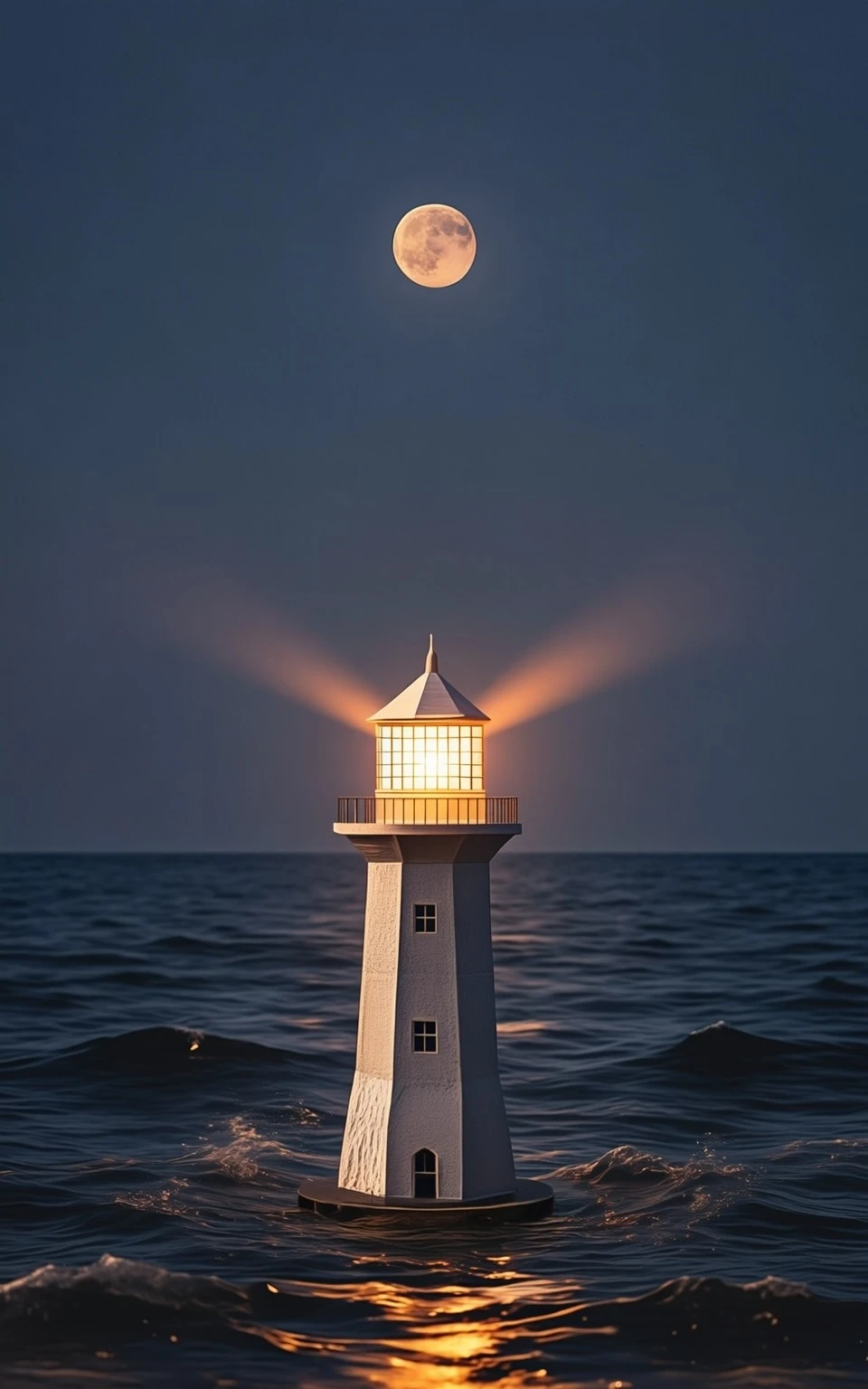
Modern premium book cover design, surreal minimalism. A vast midnight ocean under a thin crescent moon; a single origami lighthouse floating upright, emitting a soft golden beam that forms a subtle geometric triangle across the water. Deep navy + charcoal palette with one accent of warm gold, gentle fog, cinematic soft lighting, fine paper-grain texture, high contrast, lots of negative space, perfectly balanced centered composition.
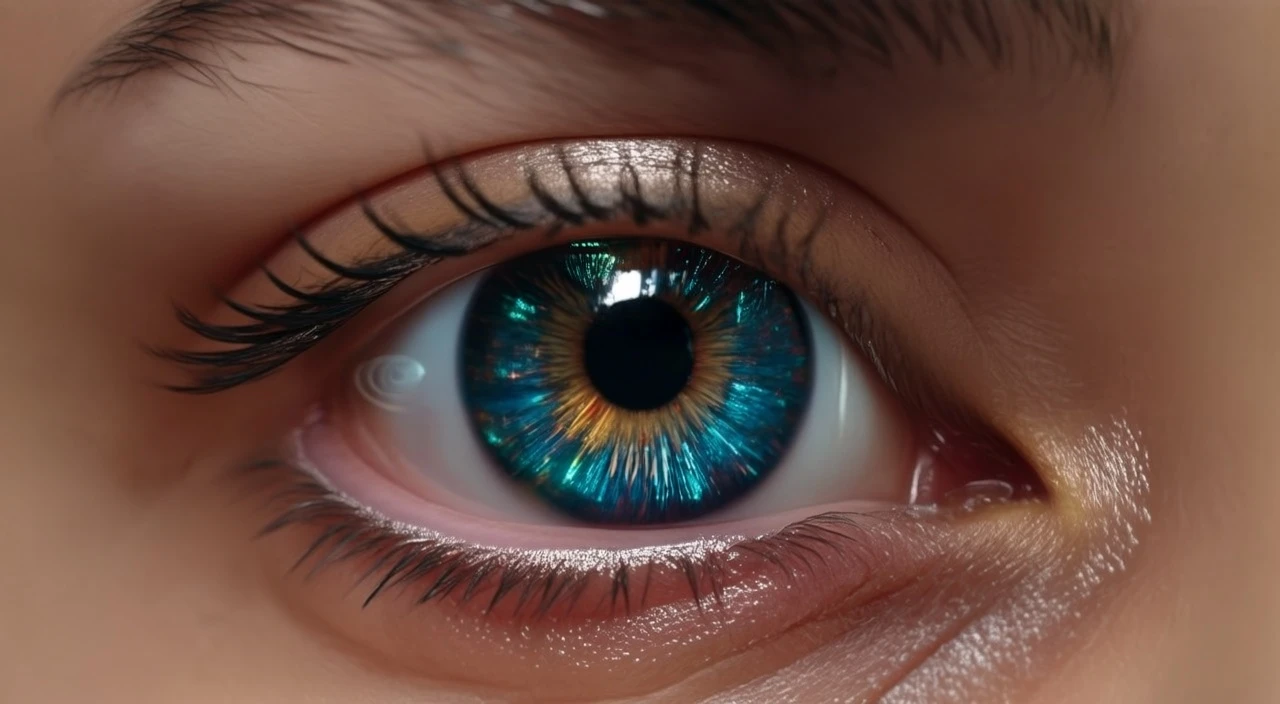
Futuristic eye close-up, glowing reflections in the iris, subtle cyberpunk elements, dark background, ultra-detailed, realistic sci-fi aesthetic, cinematic lighting

Cozy outdoor lifestyle scene with a person holding a small dog, warm and intimate interaction between the person and the pet, natural and relaxed facial expression, soft natural sunlight, park or grassy outdoor background with greenery, warm and gentle color tones, candid and unposed moment, clean composition, shallow depth of field, Fujifilm film look, soft contrast, natural skin tones, lifestyle photography style, realistic lighting, film-like texture, heartwarming atmosphere1,Fujifilm color science, film photography, subtle film grain, soft highlights, muted colors, low contrast, natural greens, pastel tones
Похожие модели



README
Z.AI GLM-Image Text-to-Image
GLM-Image is Z.AI's powerful text-to-image generation model built on the GLM architecture. It transforms natural language prompts into high-quality images with strong prompt adherence, flexible sizing, and fast generation speed.
Why Choose This?
-
Strong prompt understanding Accurately interprets detailed prompts to generate images that match your description with high fidelity.
-
Flexible sizing Custom width and height controls allow you to create images for any use case — social media, print, web, or mobile.
-
Prompt Enhancer Built-in tool to automatically improve your prompts for better generation results.
-
Multiple output formats Export as JPEG for smaller file sizes or PNG for lossless quality.
-
Fast generation Optimized for quick turnaround, ideal for rapid ideation and creative iteration.
Parameters
| Parameter | Required | Description |
|---|---|---|
| prompt | Yes | Text description of the image you want to generate |
| width | No | Output width in pixels (default: 1024) |
| height | No | Output height in pixels (default: 1024) |
| seed | No | Random seed for reproducibility (-1 for random) |
| output_format | No | Output format: jpeg (default) or png |
| enable_prompt_expansion | No | Enhance prompt using LLM for better results |
Output Format Options
- jpeg — Smaller file size, good for photos and web use (default)
- png — Lossless quality, supports transparency, best for graphics
Prompt Expansion
When enabled, the model uses an LLM to automatically expand and enhance your prompt for better generation results. This is useful when you have a short or simple prompt and want the model to add more detail.
How to Use
- Write your prompt — describe the image including subject, style, lighting, and mood.
- Set size — adjust width and height for your desired dimensions.
- Set seed — use -1 for random results, or specify a number for reproducibility.
- Choose output format — jpeg for smaller files, png for lossless quality.
- Enable prompt expansion (optional) — check this to let LLM enhance your prompt automatically.
- Run — click Run, preview the result, and iterate if needed.
Pricing
| Item | Cost |
|---|---|
| Per image | $0.12 |
Simple flat-rate pricing regardless of image size or output format.
Best Use Cases
- Social Media Content — Create engaging visuals for posts, stories, and ads.
- Marketing Materials — Generate promotional images and banner graphics.
- Concept Art — Quickly visualize ideas for creative projects.
- Product Visualization — Create mockups and product imagery.
- Presentations — Generate visuals to enhance slides and documents.
Pro Tips
- Be specific in your prompts — include subject, style, lighting, colors, and atmosphere.
- Use the same seed with the same prompt to reproduce identical outputs.
- Start with 1024x1024 for balanced quality, adjust dimensions for specific needs.
- Use JPEG for photos and web content, PNG for graphics with text or transparency needs.
- Enable prompt expansion for short prompts; disable it if you want precise control over the output.
Notes
- Please ensure your prompts comply with content guidelines.
- If an error occurs, review your prompt and try again.
Related Models
- Z.AI CogView-4 — Z.AI's high-quality text-to-image model with flexible quality modes.
- Qwen Image 2512 — model with exceptional text rendering capabilities.
- FLUX.2 Pro — Flagship-quality generation with cinematic detail.
Glm Image Text To Image API — Quick start
Grab a WaveSpeedAI API key, then call POST https://api.wavespeed.ai/api/v3/z-ai/glm-image/text-to-image with your input as JSON. The endpoint returns a prediction id. Start polling the result endpoint around every 2 seconds, increase the interval for long-running tasks, and stop on any terminal status. On completed, read output values from data.outputs. Examples for Glm Image Text To Image below.
HTTP example
set -euo pipefail

: "${WAVESPEED_API_KEY:?Set WAVESPEED_API_KEY}"

REQUEST_BODY=$(cat <<'JSON'
{
    "prompt": "A cinematic shot of a city at sunset, soft golden light",
    "size": "1024*1024",
    "seed": -1,
    "output_format": "jpeg"
}
JSON
)

# 1. Submit the prediction.
SUBMIT_RESPONSE=$(curl --silent --show-error --fail-with-body \
  -X POST "https://api.wavespeed.ai/api/v3/z-ai/glm-image/text-to-image" \
  -H "Content-Type: application/json" \
  -H "Authorization: Bearer $WAVESPEED_API_KEY" \
  -d "$REQUEST_BODY")

TASK=$(printf '%s' "$SUBMIT_RESPONSE" | jq 'if has("data") then .data else . end')
PREDICTION_ID=$(printf '%s' "$TASK" | jq -r '.id')
if [ -z "$PREDICTION_ID" ] || [ "$PREDICTION_ID" = "null" ]; then
  printf 'Submission response did not contain a prediction id
' >&2
  exit 1
fi
RESULT_URL=$(printf '%s' "$TASK" | jq -r '.urls.get // empty')
if [ -z "$RESULT_URL" ]; then
  RESULT_URL="https://api.wavespeed.ai/api/v3/predictions/$PREDICTION_ID/result"
fi

# 2. Poll until the prediction finishes.
while true; do
  RESPONSE=$(curl --silent --show-error --fail-with-body "$RESULT_URL" \
    -H "Authorization: Bearer $WAVESPEED_API_KEY")
  RESULT=$(printf '%s' "$RESPONSE" | jq 'if has("data") then .data else . end')
  STATUS=$(printf '%s' "$RESULT" | jq -r '.status')
  case "$STATUS" in
    completed) printf '%s\n' "$RESULT" | jq '.outputs'; break ;;
    failed|cancelled|timeout) printf '%s\n' "$RESULT" | jq . >&2; exit 1 ;;
    created|processing) sleep 2 ;;
    *) printf 'Unexpected status: %s
' "$STATUS" >&2; exit 1 ;;
  esac
done
Node.js example
const submitUrl = "https://api.wavespeed.ai/api/v3/z-ai/glm-image/text-to-image";
const apiKey = process.env.WAVESPEED_API_KEY;
if (!apiKey) throw new Error('Set WAVESPEED_API_KEY');

async function requestJson(url, options = {}) {
  const response = await fetch(url, options);
  if (!response.ok) throw new Error(await response.text());
  return response.json();
}

// 1. Submit the prediction.
const body = await requestJson(submitUrl, {
  method: "POST",
  headers: {
    "Authorization": `Bearer ${apiKey}`,
    "Content-Type": "application/json",
  },
  body: JSON.stringify({
        "prompt": "A cinematic shot of a city at sunset, soft golden light",
        "size": "1024*1024",
        "seed": -1,
        "output_format": "jpeg"
}),
});
const task = body.data ?? body;
if (!task.id) throw new Error("Submission response did not contain a prediction id");
const resultUrl = task.urls?.get ||
  `https://api.wavespeed.ai/api/v3/predictions/${task.id}/result`;

// 2. Poll until the prediction finishes.
while (true) {
  const resultBody = await requestJson(resultUrl, {
    headers: { "Authorization": `Bearer ${apiKey}` },
  });
  const result = resultBody.data ?? resultBody;
  if (result.status === "completed") {
    console.log(result.outputs);
    break;
  }
  if (["failed", "cancelled", "timeout"].includes(result.status)) throw new Error(JSON.stringify(result));
  if (!["created", "processing"].includes(result.status)) throw new Error("Unexpected status: " + result.status);
  await new Promise(resolve => setTimeout(resolve, 2000));
}
Python example
import json
import os
import time
from urllib.request import Request, urlopen

api_key = os.environ["WAVESPEED_API_KEY"]
headers = {"Authorization": f"Bearer {api_key}", "Content-Type": "application/json"}
payload = {
    "prompt": "A cinematic shot of a city at sunset, soft golden light",
    "size": "1024*1024",
    "seed": -1,
    "output_format": "jpeg"
}

def request_json(url, data=None):
    request = Request(url, data=data, headers=headers, method="POST" if data else "GET")
    with urlopen(request) as response:
        return json.load(response)

# 1. Submit the prediction.
body = request_json("https://api.wavespeed.ai/api/v3/z-ai/glm-image/text-to-image", json.dumps(payload).encode())
task = body.get("data", body)
if not task.get("id"):
    raise RuntimeError("Submission response did not contain a prediction id")
result_url = task.get("urls", {}).get("get") or f"https://api.wavespeed.ai/api/v3/predictions/{task['id']}/result"

# 2. Poll until the prediction finishes.
while True:
    result_body = request_json(result_url)
    result = result_body.get("data", result_body)
    status = result.get("status")
    if status == "completed":
        print(result.get("outputs", []))
        break
    if status in {"failed", "cancelled", "timeout"}:
        raise RuntimeError(result)
    if status not in {"created", "processing"}:
        raise RuntimeError(f"Unexpected status: {status}")
    time.sleep(2)
Glm Image Text To Image API — Frequently asked questions
What is the Glm Image Text To Image API?
Glm Image Text To Image is a Z Ai model for image generation, exposed as a REST API on WaveSpeedAI. Z-AI GLM Image generates high-quality images from text prompts, with enhanced understanding of user descriptions, resulting in images that are more precise and personal. Ready-to-use REST inference API, best performance, no cold starts, affordable pricing. You can call it programmatically or try it from the playground above.
How do I call the Glm Image Text To Image API?
POST your input parameters to the model's REST endpoint (shown in the API tab of this playground) with your WaveSpeedAI API key in the Authorization header. Submission returns a prediction ID. Poll the result endpoint starting around every 2 seconds, increase the interval for long-running tasks, and stop on any terminal status. The playground generates production-oriented Python, JavaScript, and cURL examples with timeouts, transient-error handling, and safe GET retries. Full request/response shape is documented at https://wavespeed.ai/docs/docs-api/z-ai/z-ai-glm-image-text-to-image.
How much does Glm Image Text To Image cost per run?
Glm Image Text To Image starts at $0.12 per run. That figure is the base price — the final charge scales with the parameters you set in the form (output size, length, count, references, or whatever knobs this model exposes), so a higher-quality or larger output costs more than a minimal one. The exact cost for your current input is shown live next to the Generate button before you submit, and the actual per-call charge is recorded on the prediction afterwards.
What inputs does Glm Image Text To Image accept?
Key inputs: `prompt`, `size`, `seed`, `enable_base64_output`, `enable_sync_mode`, `output_format`. The full JSON schema (types, defaults, allowed values) is rendered above the Generate button and mirrored in the API reference at https://wavespeed.ai/docs/docs-api/z-ai/z-ai-glm-image-text-to-image.
How long does Glm Image Text To Image take to generate?
Median end-to-end generation time on WaveSpeedAI is around 62 seconds per request, based on recent successful runs. Queue time varies with global demand; live status is visible in the prediction record.
Can I use Glm Image Text To Image outputs commercially?
Commercial usage rights depend on the model's license, set by its provider (Z Ai). The license summary appears on the model card above; see WaveSpeedAI's Terms of Service for platform-level conditions.