Luma Uni v1 Text to Image is a fast AI image generation model that creates high-fidelity images from prompts with flexible aspect ratios, visual style control, and optional reference-image guidance. Ready-to-use REST inference API for creative design, marketing visuals, product mockups, brand assets, social media content, concept art, and professional text-to-image workflows with simple integration, no coldstarts, and affordable pricing.
Ожидание
$0.042за запуск·~23 / $1
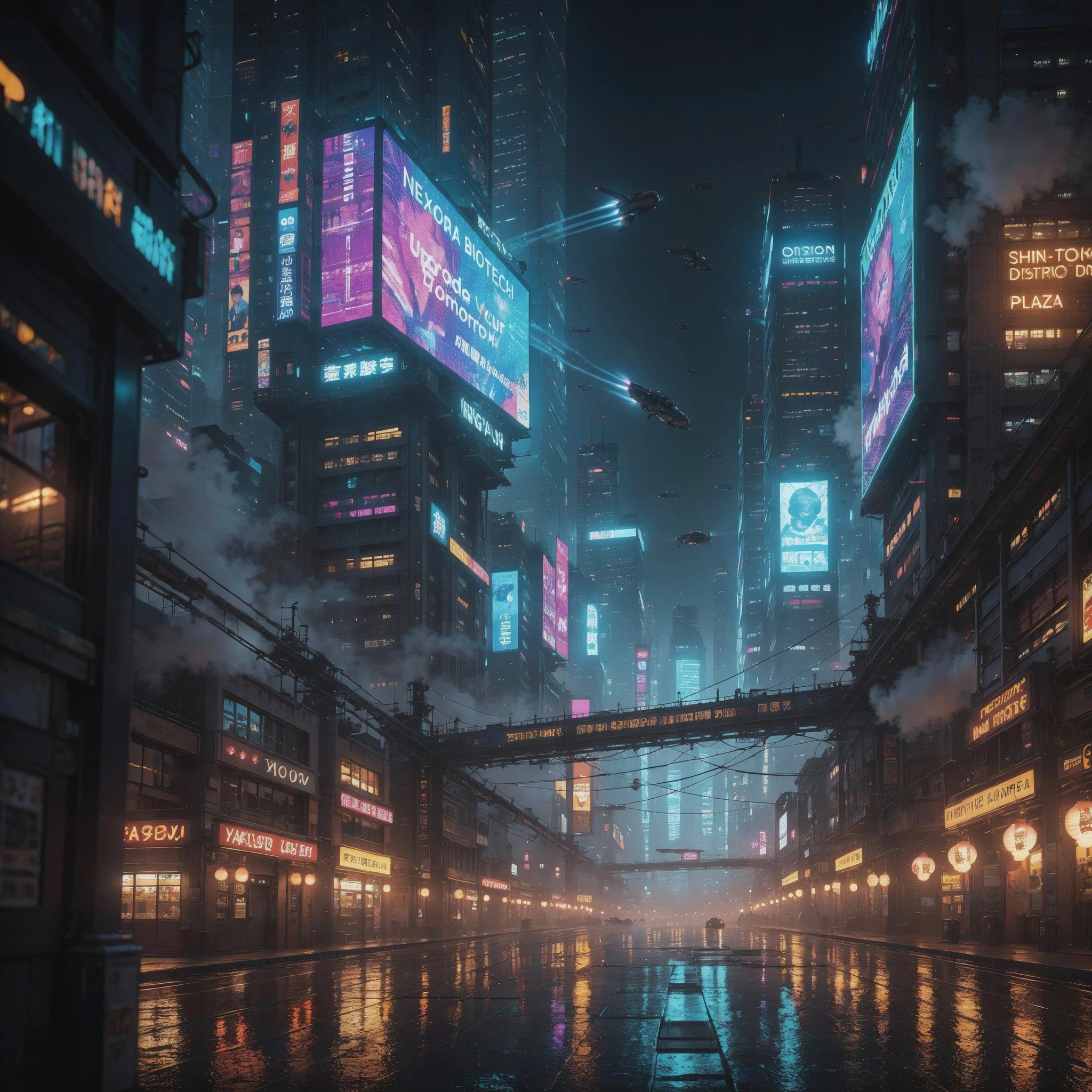
ПримерыСмотреть всё
A futuristic cyberpunk megacity at night, towering skyscrapers covered with holographic advertisements, flying vehicles, wet streets reflecting neon lights, dense atmosphere, cinematic lighting, ultra detailed, realistic, 35mm photography, high contrast, volumetric fog, 16:9
Похожие модели




README
Luma UNI V1 Text-to-Image
Luma UNI V1 Text-to-Image generates images from natural-language prompts with optional reference-image guidance, flexible aspect ratios, and selectable output formats. It is suitable for concept art, stylized marketing visuals, sci-fi scenes, product ideas, and other prompt-driven image generation workflows.
Why Choose This?
-
Prompt-based image generation
Turn natural-language descriptions into polished visual outputs. -
Optional reference-image guidance
Add one or more reference images when you want stronger visual steering. -
Flexible aspect ratios
Choose a size preset that fits square, portrait, or landscape layouts. -
Simple workflow
Write a prompt, choose a size, optionally add references, and generate the final image. -
Production-ready API
Suitable for creative ideation, social visuals, campaign drafts, and design exploration.
Parameters
| Parameter | Required | Description |
|---|---|---|
| prompt | Yes | Text description of the image you want to generate. |
| size | No | Output image size preset, such as 1:1. |
| output_format | No | Output image format, such as jpeg. |
| reference | No | Optional reference images for visual guidance. |
How to Use
- Write your prompt — describe the subject, environment, lighting, composition, and mood you want.
- Choose size (optional) — select the aspect ratio that best fits your intended output.
- Choose output format (optional) — select the file format that best fits your workflow.
- Add references (optional) — upload one or more reference images if you want stronger style or subject guidance.
- Submit — run the model and download the generated image.
Example Prompt
A futuristic cyberpunk megacity at night, towering skyscrapers covered with holographic advertisements, flying vehicles, wet streets reflecting neon lights, dense atmosphere, cinematic lighting, ultra detailed, realistic, 35mm photography, high contrast, volumetric fog, 16:9
Pricing
Pricing includes a fixed base image charge plus an extra fee for each reference image.
| Mode | Cost |
|---|---|
| Without reference images | $0.042 |
| With 1 reference image | $0.045 |
| With 2 reference images | $0.048 |
| With 3 reference images | $0.051 |
Billing Rules
- Every request starts with a base price of $0.042 per image
- Each added reference image adds $0.003
sizeandoutput_formatdo not affect pricing
Best Use Cases
- Concept art — Explore visual directions and scene ideas quickly.
- Style-guided generation — Use references when you want the output closer to a target visual language.
- Marketing creatives — Generate campaign visuals, social graphics, and concept ads.
- Product ideation — Produce stylized product or environment concepts from prompts.
- Creative prototyping — Quickly compare prompt-only and reference-guided outputs.
Pro Tips
- Use reference images only when you want stronger control, since they increase the price slightly.
- Keep prompts specific about subject, lighting, mood, and scene composition.
- Use
jpegfor lightweight delivery unless your workflow requires a different format. - Start without references first, then add them only if you need extra guidance.
- Match the prompt and references in style if you want a more coherent result.
Notes
promptis required.- Pricing depends on the number of reference images.
- The returned result is a generated image.
- Better prompts usually improve visual coherence and controllability.
Related Models
- Luma image generation workflows — Useful when you need different generation styles or model behavior.
- Prompt-based image generation models — Useful when you want alternative quality, cost, or visual tradeoffs.
Uni v1 Text To Image API — Quick start
Grab a WaveSpeedAI API key, then call POST https://api.wavespeed.ai/api/v3/luma/uni-v1/text-to-image with your input as JSON. The endpoint returns a prediction id. Start polling the result endpoint around every 2 seconds, increase the interval for long-running tasks, and stop on any terminal status. On completed, read output values from data.outputs. Examples for Uni v1 Text To Image below.
HTTP example
set -euo pipefail

: "${WAVESPEED_API_KEY:?Set WAVESPEED_API_KEY}"

REQUEST_BODY=$(cat <<'JSON'
{
    "prompt": "A cinematic shot of a city at sunset, soft golden light",
    "size": "16:9",
    "output_format": "jpeg"
}
JSON
)

# 1. Submit the prediction.
SUBMIT_RESPONSE=$(curl --silent --show-error --fail-with-body \
  -X POST "https://api.wavespeed.ai/api/v3/luma/uni-v1/text-to-image" \
  -H "Content-Type: application/json" \
  -H "Authorization: Bearer $WAVESPEED_API_KEY" \
  -d "$REQUEST_BODY")

TASK=$(printf '%s' "$SUBMIT_RESPONSE" | jq 'if has("data") then .data else . end')
PREDICTION_ID=$(printf '%s' "$TASK" | jq -r '.id')
if [ -z "$PREDICTION_ID" ] || [ "$PREDICTION_ID" = "null" ]; then
  printf 'Submission response did not contain a prediction id
' >&2
  exit 1
fi
RESULT_URL=$(printf '%s' "$TASK" | jq -r '.urls.get // empty')
if [ -z "$RESULT_URL" ]; then
  RESULT_URL="https://api.wavespeed.ai/api/v3/predictions/$PREDICTION_ID/result"
fi

# 2. Poll until the prediction finishes.
while true; do
  RESPONSE=$(curl --silent --show-error --fail-with-body "$RESULT_URL" \
    -H "Authorization: Bearer $WAVESPEED_API_KEY")
  RESULT=$(printf '%s' "$RESPONSE" | jq 'if has("data") then .data else . end')
  STATUS=$(printf '%s' "$RESULT" | jq -r '.status')
  case "$STATUS" in
    completed) printf '%s\n' "$RESULT" | jq '.outputs'; break ;;
    failed|cancelled|timeout) printf '%s\n' "$RESULT" | jq . >&2; exit 1 ;;
    created|processing) sleep 2 ;;
    *) printf 'Unexpected status: %s
' "$STATUS" >&2; exit 1 ;;
  esac
done
Node.js example
const submitUrl = "https://api.wavespeed.ai/api/v3/luma/uni-v1/text-to-image";
const apiKey = process.env.WAVESPEED_API_KEY;
if (!apiKey) throw new Error('Set WAVESPEED_API_KEY');

async function requestJson(url, options = {}) {
  const response = await fetch(url, options);
  if (!response.ok) throw new Error(await response.text());
  return response.json();
}

// 1. Submit the prediction.
const body = await requestJson(submitUrl, {
  method: "POST",
  headers: {
    "Authorization": `Bearer ${apiKey}`,
    "Content-Type": "application/json",
  },
  body: JSON.stringify({
        "prompt": "A cinematic shot of a city at sunset, soft golden light",
        "size": "16:9",
        "output_format": "jpeg"
}),
});
const task = body.data ?? body;
if (!task.id) throw new Error("Submission response did not contain a prediction id");
const resultUrl = task.urls?.get ||
  `https://api.wavespeed.ai/api/v3/predictions/${task.id}/result`;

// 2. Poll until the prediction finishes.
while (true) {
  const resultBody = await requestJson(resultUrl, {
    headers: { "Authorization": `Bearer ${apiKey}` },
  });
  const result = resultBody.data ?? resultBody;
  if (result.status === "completed") {
    console.log(result.outputs);
    break;
  }
  if (["failed", "cancelled", "timeout"].includes(result.status)) throw new Error(JSON.stringify(result));
  if (!["created", "processing"].includes(result.status)) throw new Error("Unexpected status: " + result.status);
  await new Promise(resolve => setTimeout(resolve, 2000));
}
Python example
import json
import os
import time
from urllib.request import Request, urlopen

api_key = os.environ["WAVESPEED_API_KEY"]
headers = {"Authorization": f"Bearer {api_key}", "Content-Type": "application/json"}
payload = {
    "prompt": "A cinematic shot of a city at sunset, soft golden light",
    "size": "16:9",
    "output_format": "jpeg"
}

def request_json(url, data=None):
    request = Request(url, data=data, headers=headers, method="POST" if data else "GET")
    with urlopen(request) as response:
        return json.load(response)

# 1. Submit the prediction.
body = request_json("https://api.wavespeed.ai/api/v3/luma/uni-v1/text-to-image", json.dumps(payload).encode())
task = body.get("data", body)
if not task.get("id"):
    raise RuntimeError("Submission response did not contain a prediction id")
result_url = task.get("urls", {}).get("get") or f"https://api.wavespeed.ai/api/v3/predictions/{task['id']}/result"

# 2. Poll until the prediction finishes.
while True:
    result_body = request_json(result_url)
    result = result_body.get("data", result_body)
    status = result.get("status")
    if status == "completed":
        print(result.get("outputs", []))
        break
    if status in {"failed", "cancelled", "timeout"}:
        raise RuntimeError(result)
    if status not in {"created", "processing"}:
        raise RuntimeError(f"Unexpected status: {status}")
    time.sleep(2)
Uni v1 Text To Image API — Frequently asked questions
What is the Uni v1 Text To Image API?
Uni v1 Text To Image is a Luma model for image generation, exposed as a REST API on WaveSpeedAI. Luma Uni v1 Text to Image is a fast AI image generation model that creates high-fidelity images from prompts with flexible aspect ratios, visual style control, and optional reference-image guidance. Ready-to-use REST inference API for creative design, marketing visuals, product mockups, brand assets, social media content, concept art, and professional text-to-image workflows with simple integration, no coldstarts, and affordable pricing. You can call it programmatically or try it from the playground above.
How do I call the Uni v1 Text To Image API?
POST your input parameters to the model's REST endpoint (shown in the API tab of this playground) with your WaveSpeedAI API key in the Authorization header. Submission returns a prediction ID. Poll the result endpoint starting around every 2 seconds, increase the interval for long-running tasks, and stop on any terminal status. The playground generates production-oriented Python, JavaScript, and cURL examples with timeouts, transient-error handling, and safe GET retries. Full request/response shape is documented at https://wavespeed.ai/docs/docs-api/luma/luma-uni-v1-text-to-image.
How much does Uni v1 Text To Image cost per run?
Uni v1 Text To Image starts at $0.042 per run. That figure is the base price — the final charge scales with the parameters you set in the form (output size, length, count, references, or whatever knobs this model exposes), so a higher-quality or larger output costs more than a minimal one. The exact cost for your current input is shown live next to the Generate button before you submit, and the actual per-call charge is recorded on the prediction afterwards.
What inputs does Uni v1 Text To Image accept?
Key inputs: `prompt`, `size`, `output_format`, `reference`. The full JSON schema (types, defaults, allowed values) is rendered above the Generate button and mirrored in the API reference at https://wavespeed.ai/docs/docs-api/luma/luma-uni-v1-text-to-image.
How long does Uni v1 Text To Image take to generate?
Median end-to-end generation time on WaveSpeedAI is around 79 seconds per request, based on recent successful runs. Queue time varies with global demand; live status is visible in the prediction record.
Can I use Uni v1 Text To Image outputs commercially?
Commercial usage rights depend on the model's license, set by its provider (Luma). The license summary appears on the model card above; see WaveSpeedAI's Terms of Service for platform-level conditions.