FLUX.1 Kontext [max] boosts prompt adherence and typography generation for consistent, high-quality image editing at speed. Ready-to-use REST inference API, best performance, no coldstarts, affordable pricing.
Ocioso

$0.08por execução·~12 / $1
ExemplosVer todos
To toy style
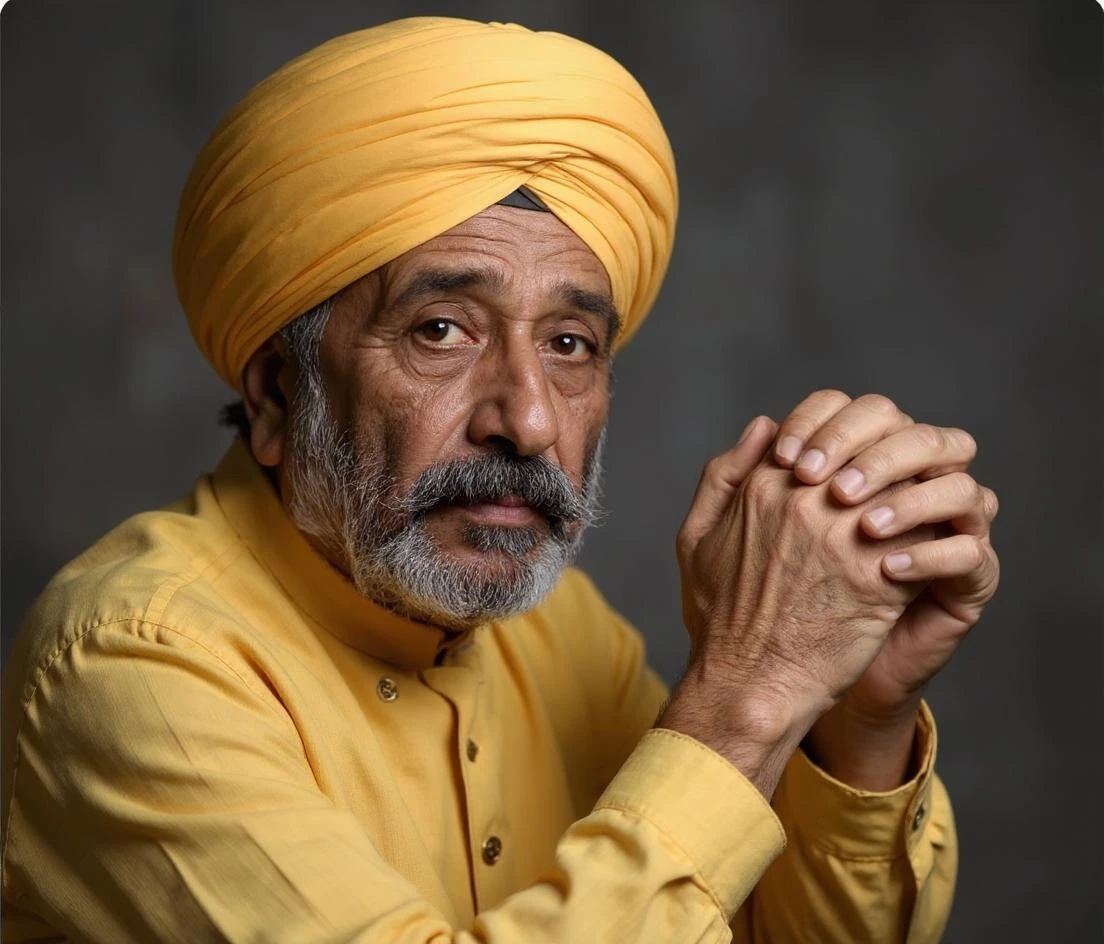
To Punjabi style

To cartoon style

Transform into a Studio Ghibli style

Remove flying birds

Add sunglasses for men

Change the man's posture, clasp his hands firmly

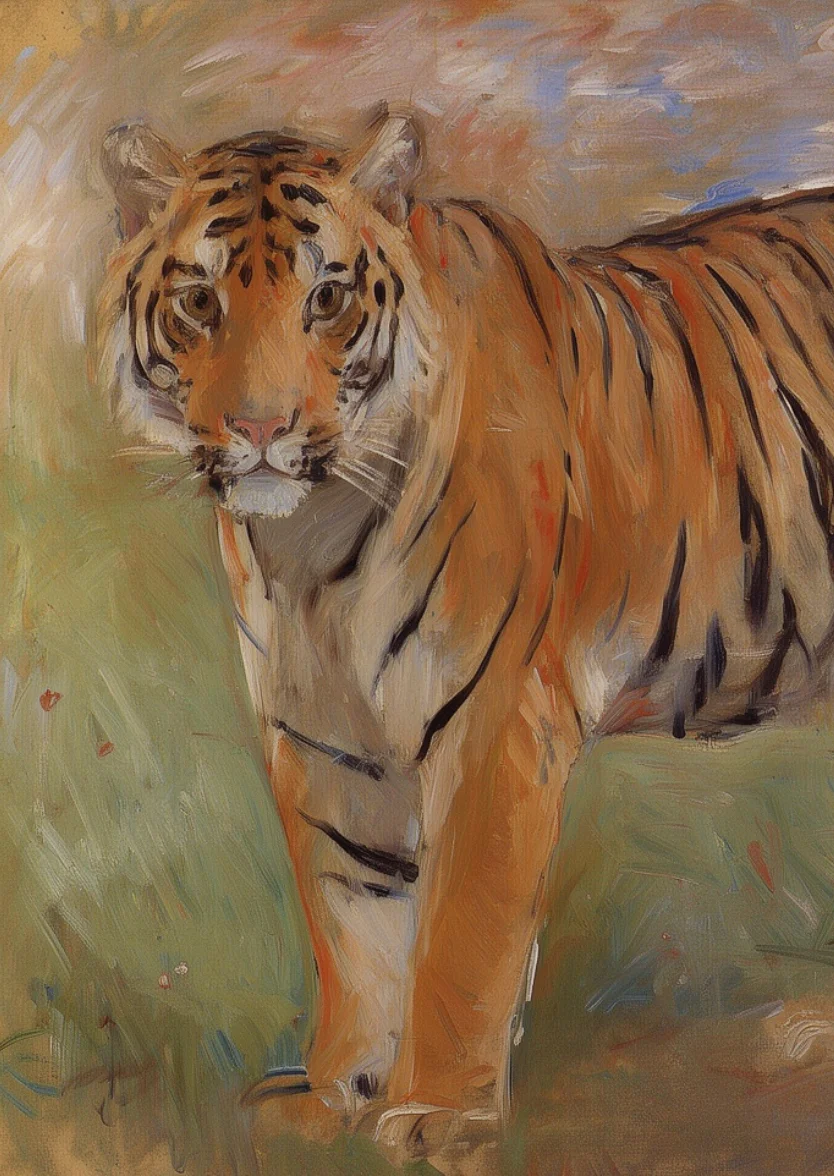
Transform into oil painting style

Become illustration style

Turn clothes into a white dress
Modelos relacionados





README
FLUX Kontext Max (Image-to-Image Editing) — wavespeed-ai/flux-kontext-max
FLUX Kontext Max is a premium image-to-image editing model built for high-fidelity, instruction-following transformations. Provide a source image plus a natural-language edit prompt, and it performs precise local or global edits while maintaining strong visual coherence—ideal for demanding creative direction, high-end retouching, and style-driven transformations.
Key capabilities
- High-fidelity instruction-based image editing from a single input image
- Strong prompt adherence for complex, multi-constraint edits
- Handles both local edits (specific elements) and global edits (overall look)
- Excellent for style transformations (e.g., toy style, clay, illustration) while preserving composition
Typical use cases
- Premium retouching: lighting correction, cleanup, detail enhancement
- Background swaps with consistent lighting/shadows
- Product and branding edits requiring high accuracy
- Style transformations with minimal drift (toy, clay, cinematic, illustration)
- Creative iterations where output quality matters more than speed
Pricing
$0.08 per image.
Inputs and outputs
Input:
- image (required): Source image (upload or public URL)
- prompt (required): Edit instruction
Output:
- One or more edited images (controlled by num_images, if available in your interface)
Parameters
- prompt (required): Edit instruction describing what to change and what to preserve
- image (required): Source image
- seed: Fixed value for reproducibility; leave empty/random for variation
- guidance_scale: Prompt adherence strength (higher = stricter; too high may over-edit)
- aspect_ratio: Output aspect ratio (choose to control framing/cropping)
Prompting guide
For best control, use a “preserve + edit + constraints” structure:
Template: Keep [what must stay]. Change [what to edit]. Ensure [constraints]. Match [lighting/shadows/perspective].
Example prompts
- Keep the person’s face, pose, and clothing unchanged. Convert the entire image to a high-quality toy style with realistic plastic texture, soft studio lighting, and clean highlights. Keep the background composition consistent.
- Keep the subject identity and expression unchanged. Replace the background with a clean pastel studio backdrop. Match lighting direction and shadow softness.
- Remove background clutter and keep the main subject sharp. Apply a gentle cinematic color grade without changing composition.
Best practices
- Start with one change per run, then iterate for precision.
- If the edit is too strong, lower guidance_scale and add a clearer preserve clause.
- Fix seed for stable comparisons across prompt variants.
- Choose aspect_ratio intentionally to avoid unexpected cropping.
Flux Kontext Max API — Quick start
Grab a WaveSpeedAI API key, then call POST https://api.wavespeed.ai/api/v3/wavespeed-ai/flux-kontext-max with your input as JSON. The endpoint returns a prediction id. Start polling the result endpoint around every 2 seconds, increase the interval for long-running tasks, and stop on any terminal status. On completed, read output values from data.outputs. Examples for Flux Kontext Max below.
HTTP example
set -euo pipefail

: "${WAVESPEED_API_KEY:?Set WAVESPEED_API_KEY}"

REQUEST_BODY=$(cat <<'JSON'
{
    "prompt": "A cinematic shot of a city at sunset, soft golden light",
    "image": "https://interactive-examples.mdn.mozilla.net/media/cc0-images/painted-hand-298-332.jpg",
    "guidance_scale": 3.5,
    "aspect_ratio": "21:9"
}
JSON
)

# 1. Submit the prediction.
SUBMIT_RESPONSE=$(curl --silent --show-error --fail-with-body \
  -X POST "https://api.wavespeed.ai/api/v3/wavespeed-ai/flux-kontext-max" \
  -H "Content-Type: application/json" \
  -H "Authorization: Bearer $WAVESPEED_API_KEY" \
  -d "$REQUEST_BODY")

TASK=$(printf '%s' "$SUBMIT_RESPONSE" | jq 'if has("data") then .data else . end')
PREDICTION_ID=$(printf '%s' "$TASK" | jq -r '.id')
if [ -z "$PREDICTION_ID" ] || [ "$PREDICTION_ID" = "null" ]; then
  printf 'Submission response did not contain a prediction id
' >&2
  exit 1
fi
RESULT_URL=$(printf '%s' "$TASK" | jq -r '.urls.get // empty')
if [ -z "$RESULT_URL" ]; then
  RESULT_URL="https://api.wavespeed.ai/api/v3/predictions/$PREDICTION_ID/result"
fi

# 2. Poll until the prediction finishes.
while true; do
  RESPONSE=$(curl --silent --show-error --fail-with-body "$RESULT_URL" \
    -H "Authorization: Bearer $WAVESPEED_API_KEY")
  RESULT=$(printf '%s' "$RESPONSE" | jq 'if has("data") then .data else . end')
  STATUS=$(printf '%s' "$RESULT" | jq -r '.status')
  case "$STATUS" in
    completed) printf '%s\n' "$RESULT" | jq '.outputs'; break ;;
    failed|cancelled|timeout) printf '%s\n' "$RESULT" | jq . >&2; exit 1 ;;
    created|processing) sleep 2 ;;
    *) printf 'Unexpected status: %s
' "$STATUS" >&2; exit 1 ;;
  esac
done
Node.js example
const submitUrl = "https://api.wavespeed.ai/api/v3/wavespeed-ai/flux-kontext-max";
const apiKey = process.env.WAVESPEED_API_KEY;
if (!apiKey) throw new Error('Set WAVESPEED_API_KEY');

async function requestJson(url, options = {}) {
  const response = await fetch(url, options);
  if (!response.ok) throw new Error(await response.text());
  return response.json();
}

// 1. Submit the prediction.
const body = await requestJson(submitUrl, {
  method: "POST",
  headers: {
    "Authorization": `Bearer ${apiKey}`,
    "Content-Type": "application/json",
  },
  body: JSON.stringify({
        "prompt": "A cinematic shot of a city at sunset, soft golden light",
        "image": "https://interactive-examples.mdn.mozilla.net/media/cc0-images/painted-hand-298-332.jpg",
        "guidance_scale": 3.5,
        "aspect_ratio": "21:9"
}),
});
const task = body.data ?? body;
if (!task.id) throw new Error("Submission response did not contain a prediction id");
const resultUrl = task.urls?.get ||
  `https://api.wavespeed.ai/api/v3/predictions/${task.id}/result`;

// 2. Poll until the prediction finishes.
while (true) {
  const resultBody = await requestJson(resultUrl, {
    headers: { "Authorization": `Bearer ${apiKey}` },
  });
  const result = resultBody.data ?? resultBody;
  if (result.status === "completed") {
    console.log(result.outputs);
    break;
  }
  if (["failed", "cancelled", "timeout"].includes(result.status)) throw new Error(JSON.stringify(result));
  if (!["created", "processing"].includes(result.status)) throw new Error("Unexpected status: " + result.status);
  await new Promise(resolve => setTimeout(resolve, 2000));
}
Python example
import json
import os
import time
from urllib.request import Request, urlopen

api_key = os.environ["WAVESPEED_API_KEY"]
headers = {"Authorization": f"Bearer {api_key}", "Content-Type": "application/json"}
payload = {
    "prompt": "A cinematic shot of a city at sunset, soft golden light",
    "image": "https://interactive-examples.mdn.mozilla.net/media/cc0-images/painted-hand-298-332.jpg",
    "guidance_scale": 3.5,
    "aspect_ratio": "21:9"
}

def request_json(url, data=None):
    request = Request(url, data=data, headers=headers, method="POST" if data else "GET")
    with urlopen(request) as response:
        return json.load(response)

# 1. Submit the prediction.
body = request_json("https://api.wavespeed.ai/api/v3/wavespeed-ai/flux-kontext-max", json.dumps(payload).encode())
task = body.get("data", body)
if not task.get("id"):
    raise RuntimeError("Submission response did not contain a prediction id")
result_url = task.get("urls", {}).get("get") or f"https://api.wavespeed.ai/api/v3/predictions/{task['id']}/result"

# 2. Poll until the prediction finishes.
while True:
    result_body = request_json(result_url)
    result = result_body.get("data", result_body)
    status = result.get("status")
    if status == "completed":
        print(result.get("outputs", []))
        break
    if status in {"failed", "cancelled", "timeout"}:
        raise RuntimeError(result)
    if status not in {"created", "processing"}:
        raise RuntimeError(f"Unexpected status: {status}")
    time.sleep(2)
Flux Kontext Max API — Frequently asked questions
What is the Flux Kontext Max API?
Flux Kontext Max is a WaveSpeedAI model for image editing, exposed as a REST API on WaveSpeedAI. FLUX.1 Kontext [max] boosts prompt adherence and typography generation for consistent, high-quality image editing at speed. Ready-to-use REST inference API, best performance, no coldstarts, affordable pricing. You can call it programmatically or try it from the playground above.
How do I call the Flux Kontext Max API?
POST your input parameters to the model's REST endpoint (shown in the API tab of this playground) with your WaveSpeedAI API key in the Authorization header. Submission returns a prediction ID. Poll the result endpoint starting around every 2 seconds, increase the interval for long-running tasks, and stop on any terminal status. The playground generates production-oriented Python, JavaScript, and cURL examples with timeouts, transient-error handling, and safe GET retries. Full request/response shape is documented at https://wavespeed.ai/docs/docs-api/wavespeed-ai/flux-kontext-max.
How much does Flux Kontext Max cost per run?
Flux Kontext Max starts at $0.080 per run. That figure is the base price — the final charge scales with the parameters you set in the form (output size, length, count, references, or whatever knobs this model exposes), so a higher-quality or larger output costs more than a minimal one. The exact cost for your current input is shown live next to the Generate button before you submit, and the actual per-call charge is recorded on the prediction afterwards.
What inputs does Flux Kontext Max accept?
Key inputs: `prompt`, `image`, `aspect_ratio`, `seed`, `guidance_scale`, `enable_sync_mode`. The full JSON schema (types, defaults, allowed values) is rendered above the Generate button and mirrored in the API reference at https://wavespeed.ai/docs/docs-api/wavespeed-ai/flux-kontext-max.
How long does Flux Kontext Max take to generate?
Median end-to-end generation time on WaveSpeedAI is around 15 seconds per request, based on recent successful runs. Queue time varies with global demand; live status is visible in the prediction record.
Can I use Flux Kontext Max outputs commercially?
Commercial usage rights depend on the model's license, set by its provider (WaveSpeedAI). The license summary appears on the model card above; see WaveSpeedAI's Terms of Service for platform-level conditions.