Vidu Start-End to Video 2.0 generates smooth transition videos interpolating between given start and end images for natural morphing effects. Ready-to-use REST API, best performance, no coldstarts, affordable pricing.
Bezczynny
$0.3za uruchomienie·~33 / $10
PrzykładyZobacz wszystkie
the iron man transform into the sport car
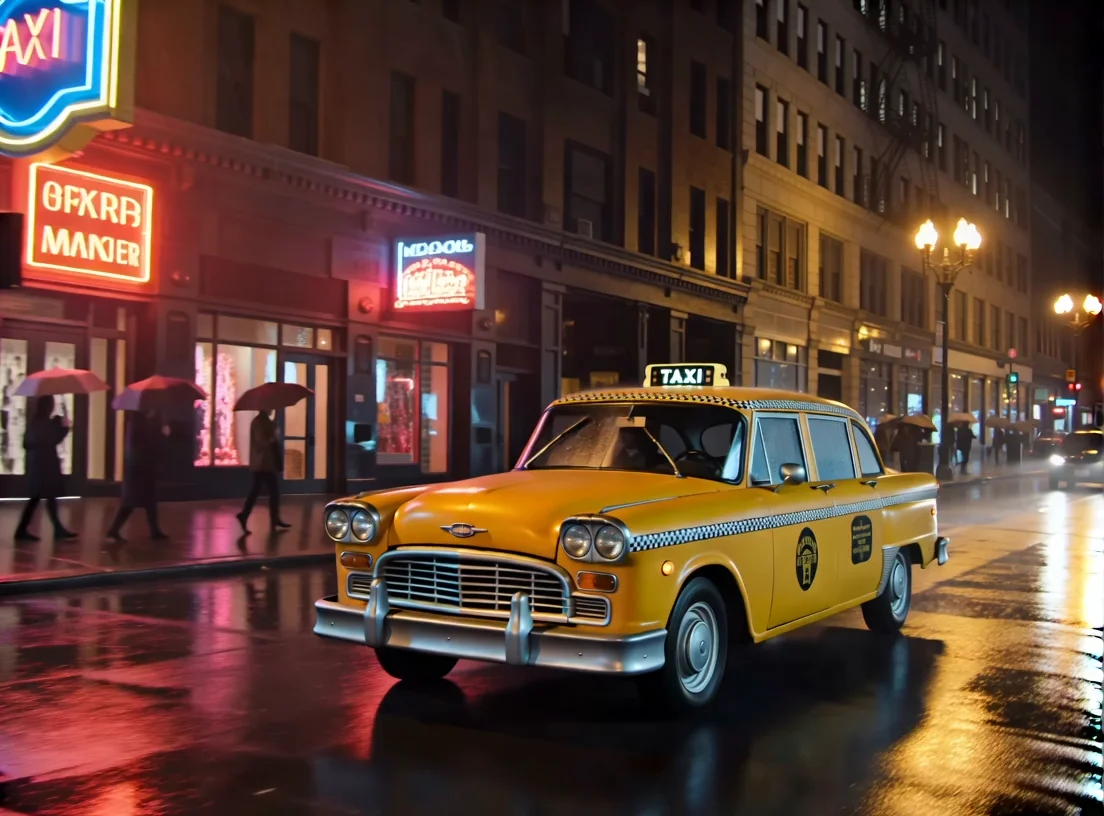
The car is driving on the road, then changes color
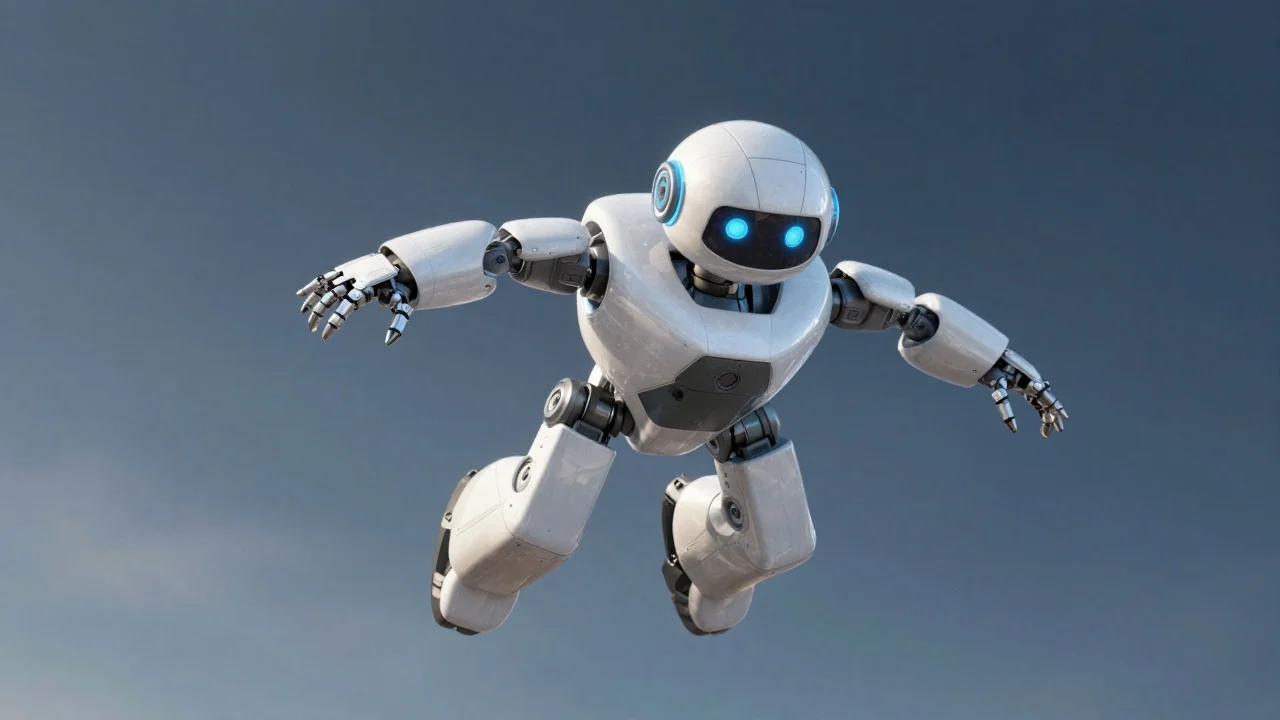
slight body tension, mid-air leap, soft shadow motion, gentle landing
glass flower blossom
The dragon spits fire at the house.
The girl blew bubbles towards the sunset.
Camera pulls back,the beautiful woman shows a brilliant smile at the camera.
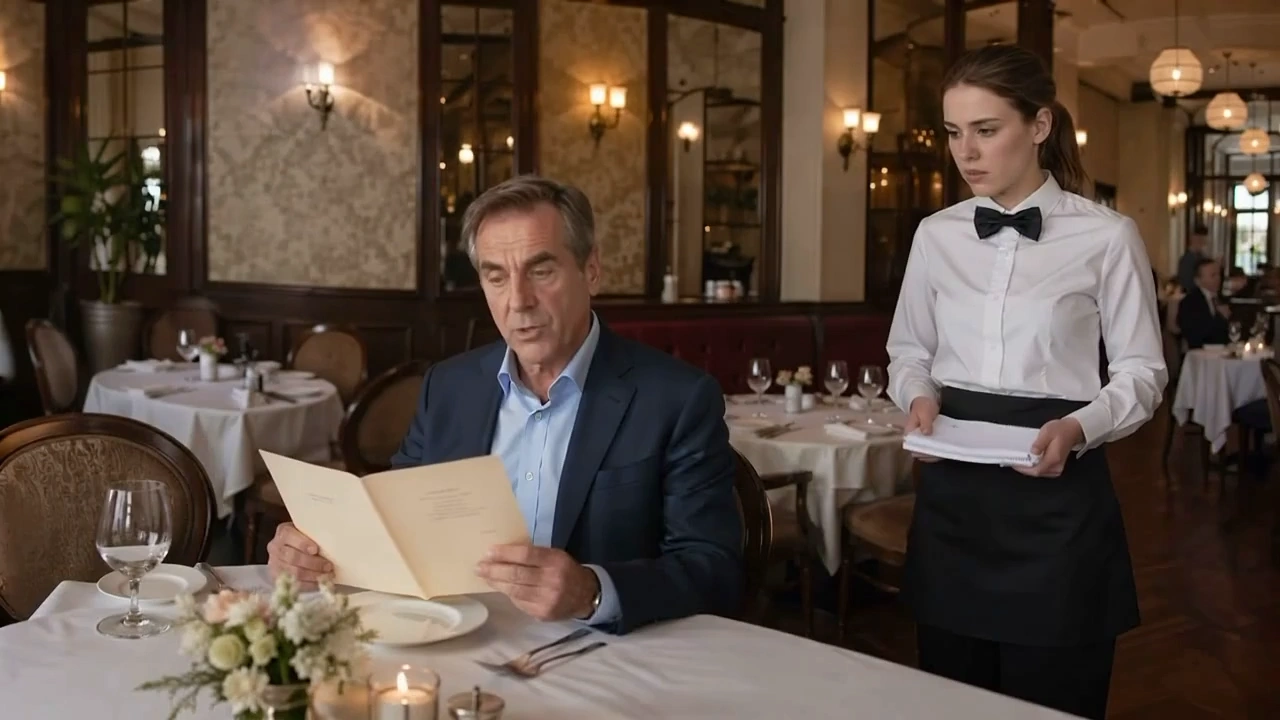
The camera pulls back, and the beautiful woman confidently walks on the street.
Zoom in.
Zoom out.
Powiązane modele


README
Vidu Start-End-to-Video 2.0 — vidu/start-end-to-video-2.0
Vidu Start-End-to-Video 2.0 generates a short video that transitions from a start image to an end image, guided by a text prompt. You provide the first frame (image) and the final target frame (last_image), then describe the transformation story in the prompt. The model fills in the in-between motion and visual continuity, making it ideal for morphs, product reveals, character transformations, and “before → after” storytelling. You can control how dramatic the motion is with movement_amplitude.
Key capabilities
- Start-to-end guided video generation (image → last_image)
- Prompt-driven transformation with controllable motion intensity
- Designed for smooth visual transitions and narrative continuity
- Movement amplitude control: auto / small / medium / large
- Seed control for reproducible variations
Use cases
- Character transformation and morph sequences (human → creature, outfit swaps, style shifts)
- Product reveals (closed box → unboxed product, sketch → final render)
- Before/after transitions (room makeover, color grading shift, weather change)
- Logo or brand animations (static mark → dynamic finish frame)
- Short cinematic transitions for ads and social clips
Pricing
| Output | Price per run |
|---|---|
| Start-End-to-Video (per generation) | $0.30 |
Inputs
- prompt (required): describe the transition and what happens in-between
- image (required): start image (first frame)
- last_image (required): end image (final frame)
Parameters
- movement_amplitude: motion intensity (auto, small, medium, large)
- seed: random seed (-1 for random; fixed for reproducible results)
Prompting guide (start → end)
Write prompts that explain how the start becomes the end:
- Describe the transformation mechanism (morphing, unfolding, dissolving, assembling)
- Call out key beats (sparks, parts shifting, panels opening, smoke/energy)
- Mention camera intent (fixed shot, slow push-in) if you need it
- Keep continuity constraints clear (same framing, stable background, consistent lighting)
Template: Fixed camera. Start as [start]. The subject transforms by [mechanism] into [end]. Smooth transition, coherent motion, consistent lighting, no flicker.
Example prompts
- A metal suit transforms into a sleek sports car through mechanical folding panels, glowing arc energy, parts assembling smoothly, fixed camera, cinematic lighting, seamless morph from start to end.
- A sketch drawing gradually fills with color and detail, turning into a polished illustration, gentle dust particles, slow push-in, smooth transition.
- A winter landscape melts into spring: snow dissolves, grass emerges, flowers bloom, warm sunlight grows stronger, smooth continuous motion.
Start End To Video 2.0 API — Quick start
Grab a WaveSpeedAI API key, then call POST https://api.wavespeed.ai/api/v3/vidu/start-end-to-video-2.0 with your input as JSON. The endpoint returns a prediction id; poll the prediction endpoint until status flips to completed, then read the output URL from data.outputs[0]. Examples for Start End To Video 2.0 below.
HTTP example
# Submit the prediction
curl -X POST "https://api.wavespeed.ai/api/v3/vidu/start-end-to-video-2.0" \
  -H "Content-Type: application/json" \
  -H "Authorization: Bearer $WAVESPEED_API_KEY" \
  -d '{
    "prompt": "A cinematic shot of a city at sunset, soft golden light",
    "image": "https://example.com/your-input.jpg",
    "movement_amplitude": "auto",
    "seed": -1
}'

# Response includes a prediction id. Poll for the result:
curl -X GET "https://api.wavespeed.ai/api/v3/predictions/{request_id}/result" \
  -H "Authorization: Bearer $WAVESPEED_API_KEY"

# When status is "completed", read the output from data.outputs[0].
Node.js example
// npm install wavespeed
const WaveSpeed = require('wavespeed');

const client = new WaveSpeed(); // reads WAVESPEED_API_KEY from env

const result = await client.run("vidu/start-end-to-video-2.0", {
        "prompt": "A cinematic shot of a city at sunset, soft golden light",
        "image": "https://example.com/your-input.jpg",
        "movement_amplitude": "auto",
        "seed": -1
});

console.log(result.outputs[0]); // → URL of the generated output
Python example
# pip install wavespeed
import wavespeed

output = wavespeed.run(
    "vidu/start-end-to-video-2.0",
    {
    "prompt": "A cinematic shot of a city at sunset, soft golden light",
    "image": "https://example.com/your-input.jpg",
    "movement_amplitude": "auto",
    "seed": -1
}
)

print(output["outputs"][0])  # → URL of the generated output
Start End To Video 2.0 API — Frequently asked questions
What is the Start End To Video 2.0 API?
Start End To Video 2.0 is a Vidu model for video generation from images, exposed as a REST API on WaveSpeedAI. Vidu Start-End to Video 2.0 generates smooth transition videos interpolating between given start and end images for natural morphing effects. Ready-to-use REST API, best performance, no coldstarts, affordable pricing. You can call it programmatically or try it from the playground above.
How do I call the Start End To Video 2.0 API?
POST your input parameters to the model's REST endpoint (shown in the API tab of this playground) with your WaveSpeedAI API key in the Authorization header. Submission returns a prediction ID; poll the prediction endpoint until status flips to "completed", then read the output URL from the result. The playground generates a ready-to-paste code sample in Python, JavaScript, or cURL for whatever inputs you've set. Full request/response shape is documented at https://wavespeed.ai/docs/docs-api/vidu/vidu-start-end-to-video-2.0.
How much does Start End To Video 2.0 cost per run?
Start End To Video 2.0 starts at $0.30 per run. That figure is the base price — the final charge scales with the parameters you set in the form (output size, length, count, references, or whatever knobs this model exposes), so a higher-quality or larger output costs more than a minimal one. The exact cost for your current input is shown live next to the Generate button before you submit, and the actual per-call charge is recorded on the prediction afterwards.
What inputs does Start End To Video 2.0 accept?
Key inputs: `prompt`, `image`, `seed`, `last_image`, `movement_amplitude`. The full JSON schema (types, defaults, allowed values) is rendered above the Generate button and mirrored in the API reference at https://wavespeed.ai/docs/docs-api/vidu/vidu-start-end-to-video-2.0.
How long does Start End To Video 2.0 take to generate?
Average end-to-end generation time on WaveSpeedAI is around 99 seconds per request — measured across recent runs. Queue time scales with global demand; live status is visible in the prediction record.
Can I use Start End To Video 2.0 outputs commercially?
Commercial usage rights depend on the model's license, set by its provider (Vidu). The license summary appears on the model card above; see WaveSpeedAI's Terms of Service for platform-level conditions.