Kandinsky 5 Pro Image-to-Video turns a single image into a coherent 5-second video guided by a natural-language prompt. It preserves subject and composition while adding smooth motion and cinematic dynamics. Output at 512p or 1024p in common aspect ratios for social posts, ads, and concept previews. Built for stable production use with a ready-to-use REST API, no cold starts, and predictable pricing.
Idle
$0.2per run·~50 / $10
ExamplesView all
She swirls the wine in her glass, checks her phone on the bar, then looks toward the entrance with anticipation. Sighs softly and takes another sip. Moody bar atmosphere.
Camera slowly orbits around the man as he laughs joyfully. His curly hair moves slightly in the wind. Golden sunset light shifts across his face as the camera circles. Mountains rotate in the background. Smooth 360 degree orbit shot. 半圈旋转版 Camera tracks around the man from front to side view. He maintains his happy expression, looking toward the sun. Wind gently moves his hair. Cinematic orbit movement, golden hour lighting, mountains in soft focus behind.
Related Models
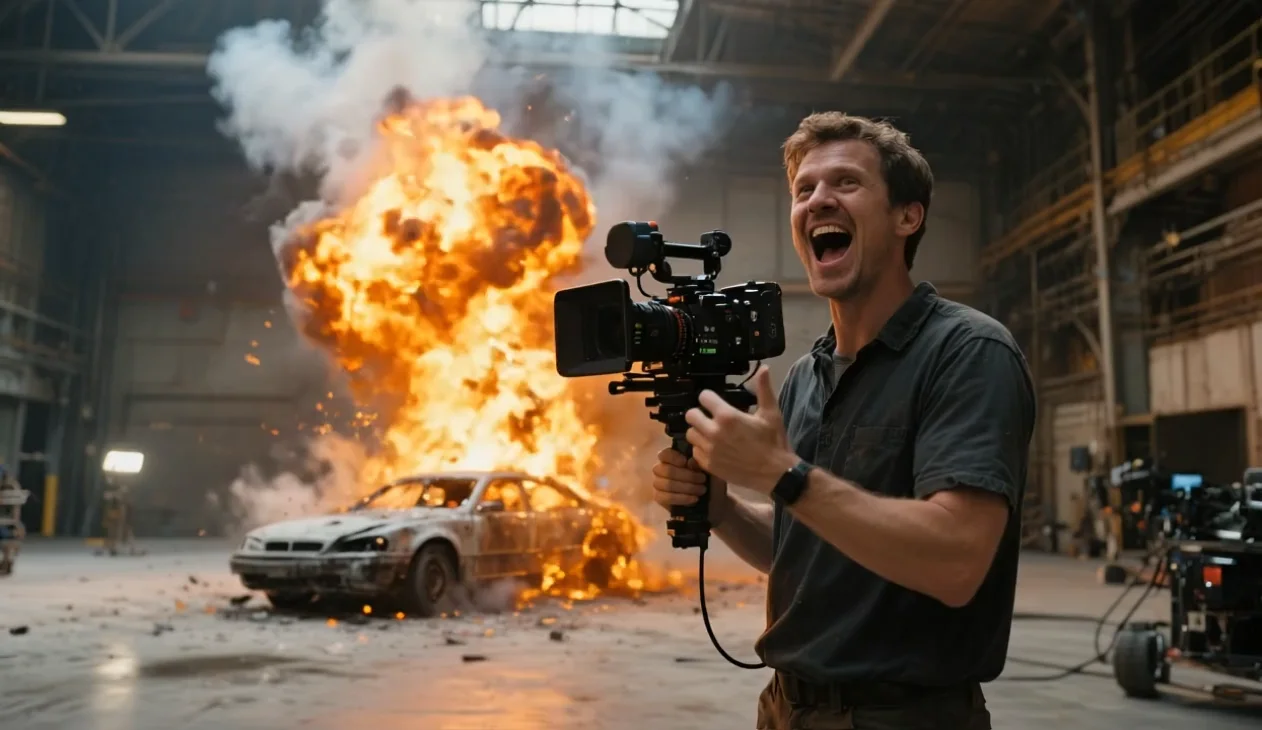
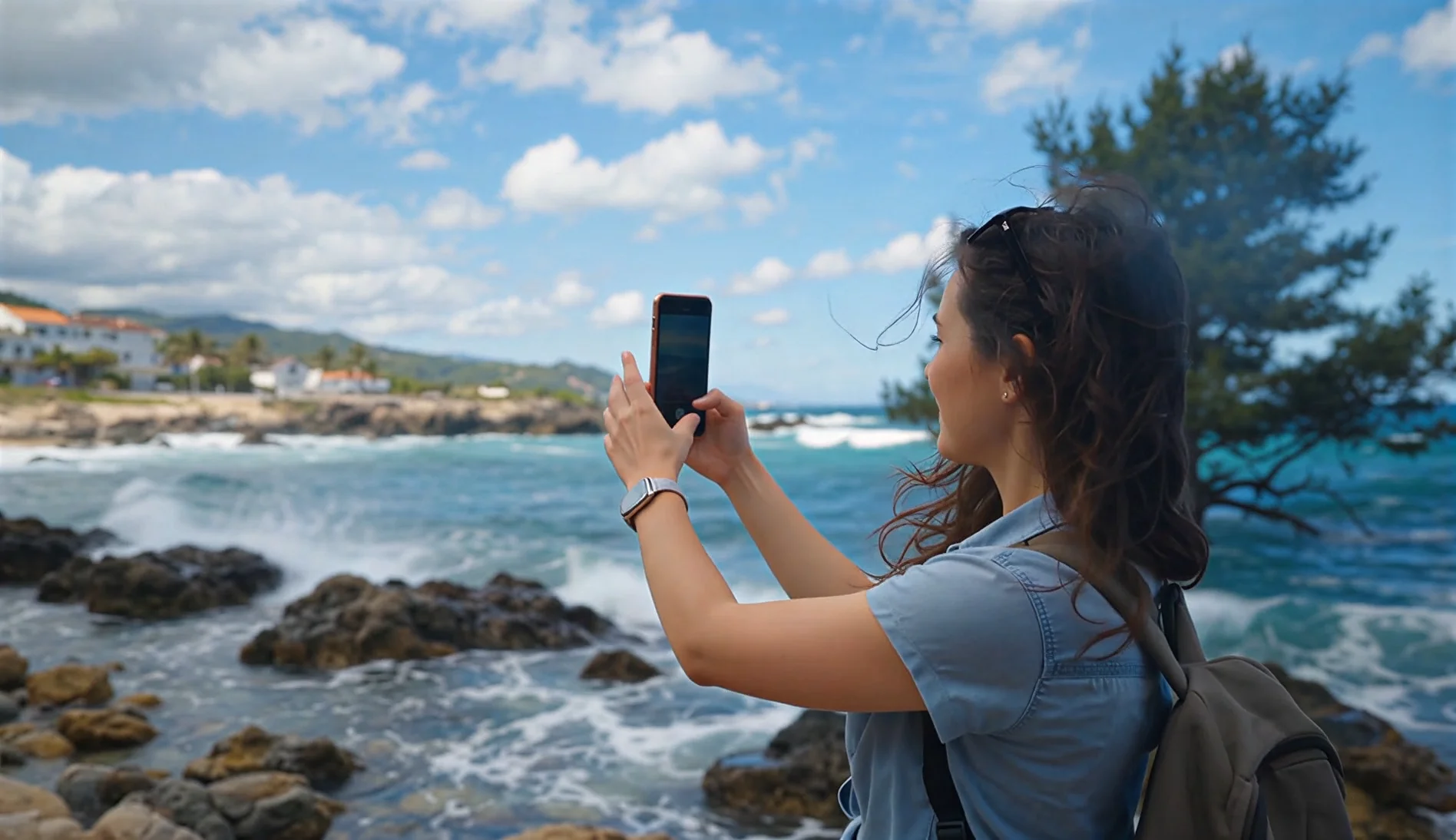

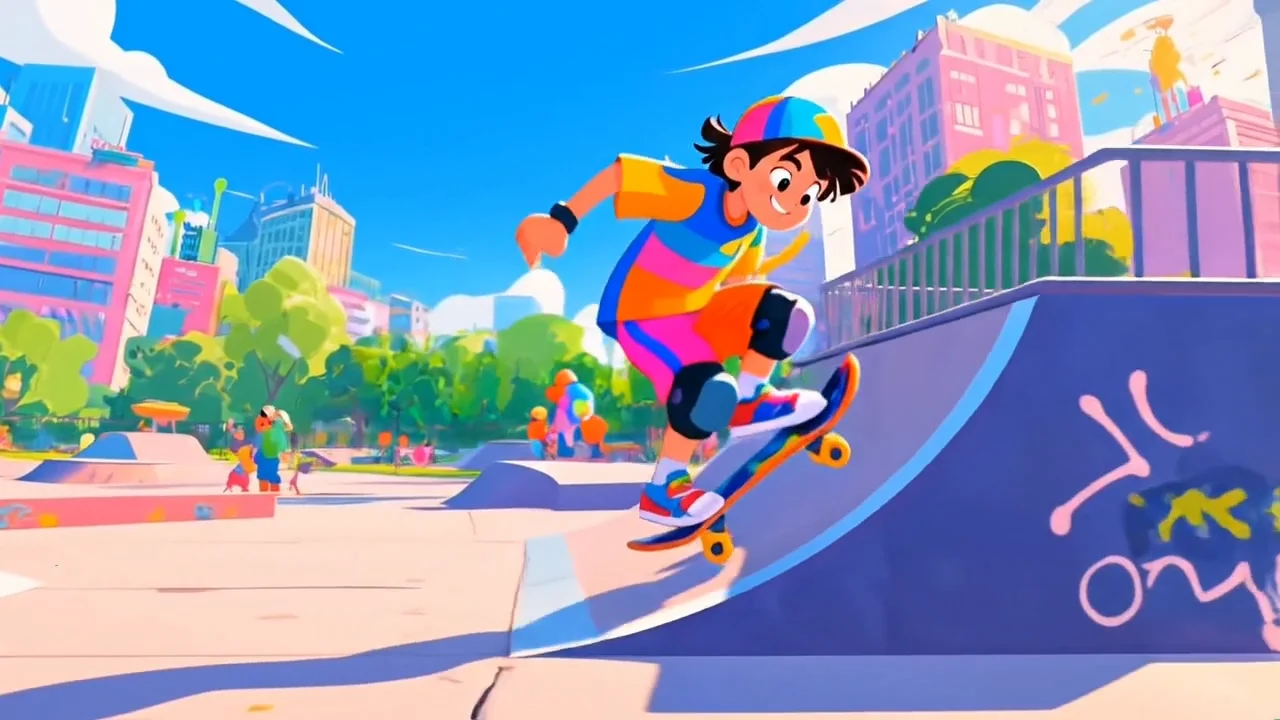
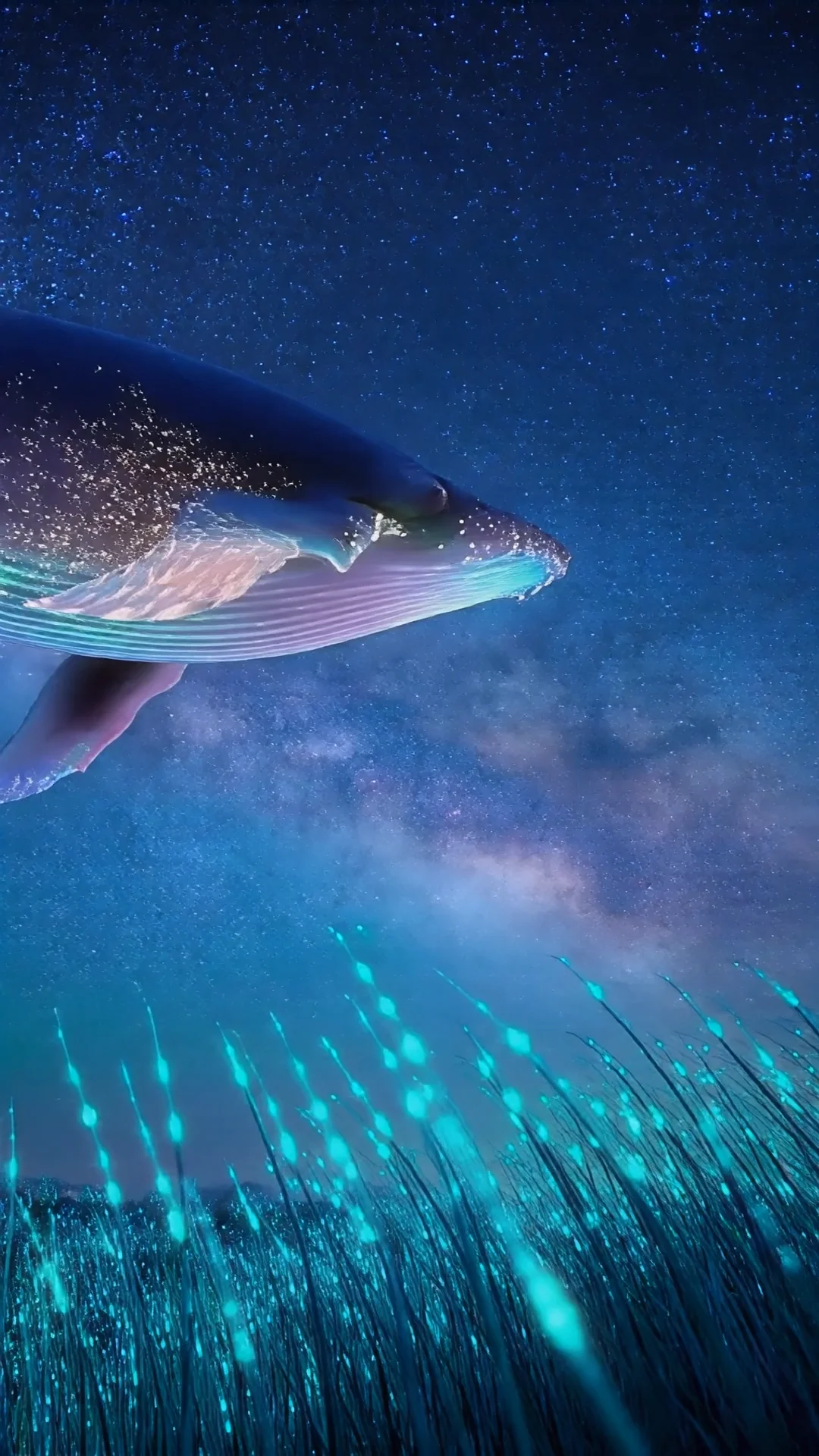

README
Kandinsky 5 Pro Image-to-Video
Kandinsky 5 Pro Image-to-Video turns a single image + text prompt into a 5-second MP4 video, adding natural motion and cinematic camera behavior while keeping the original composition anchored to your input frame. It’s built for fast iteration on short-form clips—ideal for ads, story beats, and social content.
Key Features
-
Image-to-Video animation (5s) Animate a static image into a short, coherent video clip.
-
Prompt-guided motion & camera Use text to direct what moves, how it moves, and how the camera behaves.
-
Resolution options Choose 512p for faster drafts or 1024p for sharper, higher-detail outputs.
-
Production-friendly output Returns an MP4 clip ready for publishing or post-production.
Parameters
| Parameter | Required | Description |
|---|---|---|
| image_url | Yes | Publicly accessible URL of the source image (the first frame / anchor). |
| prompt | Yes | Text instruction describing motion, camera, and style. |
| resolution | No | Output resolution: 512p (default) or 1024p. |
| duration | No | Fixed to 5 seconds in the current UI. |
How to use
- Upload or paste your image URL into image_url (make sure it’s publicly accessible).
- Write a prompt that describes:
- the subject and setting,
- the motion (clear verbs),
- the camera behavior (e.g., “slow dolly-in”, “subtle handheld”),
- the visual style (optional).
- Select resolution:
- 512p for quick previews,
- 1024p for final quality.
- Click Run to generate a 5-second MP4.
Prompt tips (works best)
- Keep grammar simple and direct.
- Prefer a “single-shot” instruction rather than multiple scene changes.
- Use explicit motion verbs: “turns”, “walks”, “breathes”, “waves”, “camera pushes in”.
- If you want a calmer clip, specify “subtle motion” or “minimal movement”.
Pricing
Based on your rate setup (512p baseline; 1024p uses a 3× resolution multiplier):
| Resolution | Price per second | Cost per 5s |
|---|---|---|
| 512p | $0.04 / s | $0.20 |
| 1024p | $0.12 / s | $0.60 |
Billing note: Duration is currently fixed at 5 seconds for this endpoint.
Use Cases
- Character animation and story beats from key art
- Product hero shots with subtle motion and camera moves
- Social media short clips from posters or stills
- Marketing creatives and quick concept previews
Kandinsky5 Pro Image To Video API — Quick start
Grab a WaveSpeedAI API key, then call POST https://api.wavespeed.ai/api/v3/wavespeed-ai/kandinsky5-pro/image-to-video with your input as JSON. The endpoint returns a prediction id. Start polling the result endpoint around every 2 seconds, increase the interval for long-running tasks, and stop on any terminal status. On completed, read output values from data.outputs. Examples for Kandinsky5 Pro Image To Video below.
HTTP example
set -euo pipefail

: "${WAVESPEED_API_KEY:?Set WAVESPEED_API_KEY}"

REQUEST_BODY=$(cat <<'JSON'
{
    "prompt": "A cinematic shot of a city at sunset, soft golden light",
    "image": "https://interactive-examples.mdn.mozilla.net/media/cc0-images/painted-hand-298-332.jpg",
    "resolution": "512p",
    "duration": 5
}
JSON
)

# 1. Submit the prediction.
SUBMIT_RESPONSE=$(curl --silent --show-error --fail-with-body \
  -X POST "https://api.wavespeed.ai/api/v3/wavespeed-ai/kandinsky5-pro/image-to-video" \
  -H "Content-Type: application/json" \
  -H "Authorization: Bearer $WAVESPEED_API_KEY" \
  -d "$REQUEST_BODY")

TASK=$(printf '%s' "$SUBMIT_RESPONSE" | jq 'if has("data") then .data else . end')
PREDICTION_ID=$(printf '%s' "$TASK" | jq -r '.id')
if [ -z "$PREDICTION_ID" ] || [ "$PREDICTION_ID" = "null" ]; then
  printf 'Submission response did not contain a prediction id
' >&2
  exit 1
fi
RESULT_URL="https://api.wavespeed.ai/api/v3/predictions/$PREDICTION_ID/result"

# 2. Poll until the prediction finishes.
while true; do
  RESPONSE=$(curl --silent --show-error --fail-with-body "$RESULT_URL" \
    -H "Authorization: Bearer $WAVESPEED_API_KEY")
  RESULT=$(printf '%s' "$RESPONSE" | jq 'if has("data") then .data else . end')
  STATUS=$(printf '%s' "$RESULT" | jq -r '.status')
  case "$STATUS" in
    completed) printf '%s\n' "$RESULT" | jq '.outputs'; break ;;
    failed|cancelled|timeout|deleted) printf '%s\n' "$RESULT" | jq . >&2; exit 1 ;;
    *) sleep 2 ;;
  esac
done
Node.js example
const submitUrl = "https://api.wavespeed.ai/api/v3/wavespeed-ai/kandinsky5-pro/image-to-video";
const apiKey = process.env.WAVESPEED_API_KEY;
if (!apiKey) throw new Error('Set WAVESPEED_API_KEY');

async function requestJson(url, options = {}) {
  const response = await fetch(url, options);
  if (!response.ok) throw new Error(await response.text());
  return response.json();
}

// 1. Submit the prediction.
const body = await requestJson(submitUrl, {
  method: "POST",
  headers: {
    "Authorization": `Bearer ${apiKey}`,
    "Content-Type": "application/json",
  },
  body: JSON.stringify({
        "prompt": "A cinematic shot of a city at sunset, soft golden light",
        "image": "https://interactive-examples.mdn.mozilla.net/media/cc0-images/painted-hand-298-332.jpg",
        "resolution": "512p",
        "duration": 5
}),
});
const task = body.data ?? body;
if (!task.id) throw new Error("Submission response did not contain a prediction id");
const resultUrl = `https://api.wavespeed.ai/api/v3/predictions/${task.id}/result`;

// 2. Poll until the prediction finishes.
while (true) {
  const resultBody = await requestJson(resultUrl, {
    headers: { "Authorization": `Bearer ${apiKey}` },
  });
  const result = resultBody.data ?? resultBody;
  if (result.status === "completed") {
    console.log(result.outputs);
    break;
  }
  if (["failed", "cancelled", "timeout", "deleted"].includes(result.status)) throw new Error(JSON.stringify(result));
  await new Promise(resolve => setTimeout(resolve, 2000));
}
Python example
import json
import os
import time
from urllib.request import Request, urlopen

api_key = os.environ["WAVESPEED_API_KEY"]
headers = {"Authorization": f"Bearer {api_key}", "Content-Type": "application/json"}
payload = {
    "prompt": "A cinematic shot of a city at sunset, soft golden light",
    "image": "https://interactive-examples.mdn.mozilla.net/media/cc0-images/painted-hand-298-332.jpg",
    "resolution": "512p",
    "duration": 5
}

def request_json(url, data=None):
    request = Request(url, data=data, headers=headers, method="POST" if data else "GET")
    with urlopen(request) as response:
        return json.load(response)

# 1. Submit the prediction.
body = request_json("https://api.wavespeed.ai/api/v3/wavespeed-ai/kandinsky5-pro/image-to-video", json.dumps(payload).encode())
task = body.get("data", body)
if not task.get("id"):
    raise RuntimeError("Submission response did not contain a prediction id")
result_url = f"https://api.wavespeed.ai/api/v3/predictions/{task['id']}/result"

# 2. Poll until the prediction finishes.
while True:
    result_body = request_json(result_url)
    result = result_body.get("data", result_body)
    status = result.get("status")
    if status == "completed":
        print(result.get("outputs", []))
        break
    if status in {"failed", "cancelled", "timeout", "deleted"}:
        raise RuntimeError(result)
    time.sleep(2)
Kandinsky5 Pro Image To Video API — Frequently asked questions
What is the Kandinsky5 Pro Image To Video API?
Kandinsky5 Pro Image To Video is a WaveSpeedAI model for video generation from images, exposed as a REST API on WaveSpeedAI. Kandinsky 5 Pro Image-to-Video turns a single image into a coherent 5-second video guided by a natural-language prompt. It preserves subject and composition while adding smooth motion and cinematic dynamics. Output at 512p or 1024p in common aspect ratios for social posts, ads, and concept previews. Built for stable production use with a ready-to-use REST API, no cold starts, and predictable pricing. You can call it programmatically or try it from the playground above.
How do I call the Kandinsky5 Pro Image To Video API?
POST your input parameters to the model's REST endpoint (shown in the API tab of this playground) with your WaveSpeedAI API key in the Authorization header. Submission returns a prediction ID. Poll the result endpoint starting around every 2 seconds, increase the interval for long-running tasks, and stop on any terminal status. The playground generates Python, JavaScript, and cURL examples for submitting requests and polling results. Full request/response shape is documented at https://wavespeed.ai/docs/docs-api/wavespeed-ai/kandinsky5-pro-image-to-video.
How much does Kandinsky5 Pro Image To Video cost per run?
Kandinsky5 Pro Image To Video starts at $0.2 per run. That figure is the base price — the final charge scales with the parameters you set in the form (output size, length, count, references, or whatever knobs this model exposes), so a higher-quality or larger output costs more than a minimal one. The exact cost for your current input is shown live next to the Generate button before you submit, and the actual per-call charge is recorded on the prediction afterwards.
What inputs does Kandinsky5 Pro Image To Video accept?
Key inputs: `prompt`, `image`, `resolution`, `duration`. The full JSON schema (types, defaults, allowed values) is rendered above the Generate button and mirrored in the API reference at https://wavespeed.ai/docs/docs-api/wavespeed-ai/kandinsky5-pro-image-to-video.
How long does Kandinsky5 Pro Image To Video take to generate?
Reported generation time on WaveSpeedAI is around 636 seconds per request. This is an estimate, not a latency guarantee; queue time and input settings can change the total wait. live status is visible in the prediction record.
Can I use Kandinsky5 Pro Image To Video outputs commercially?
Commercial usage rights depend on the model's license, set by its provider (WaveSpeedAI). Check the provider's applicable terms and WaveSpeedAI's Terms of Service before commercial use.