MiniMax H3 Image to Video animates a first-frame image into a coherent 2K video, with natural-language motion instructions and optional last-frame control for consistent motion, scene continuity, and cinematic video generation. Ready-to-use REST inference API, best performance, no coldstarts, affordable pricing.
Inattivo
$0.13per esecuzione·~76 / $10
EsempiVedi tutto
She pedals forward with a bright smile as cherry blossom petals swirl around her. The camera tracks smoothly beside her, sunlight flickers through the branches, her hair moves in the breeze, and the scene feels light, youthful, and cinematic.
Modelli correlati

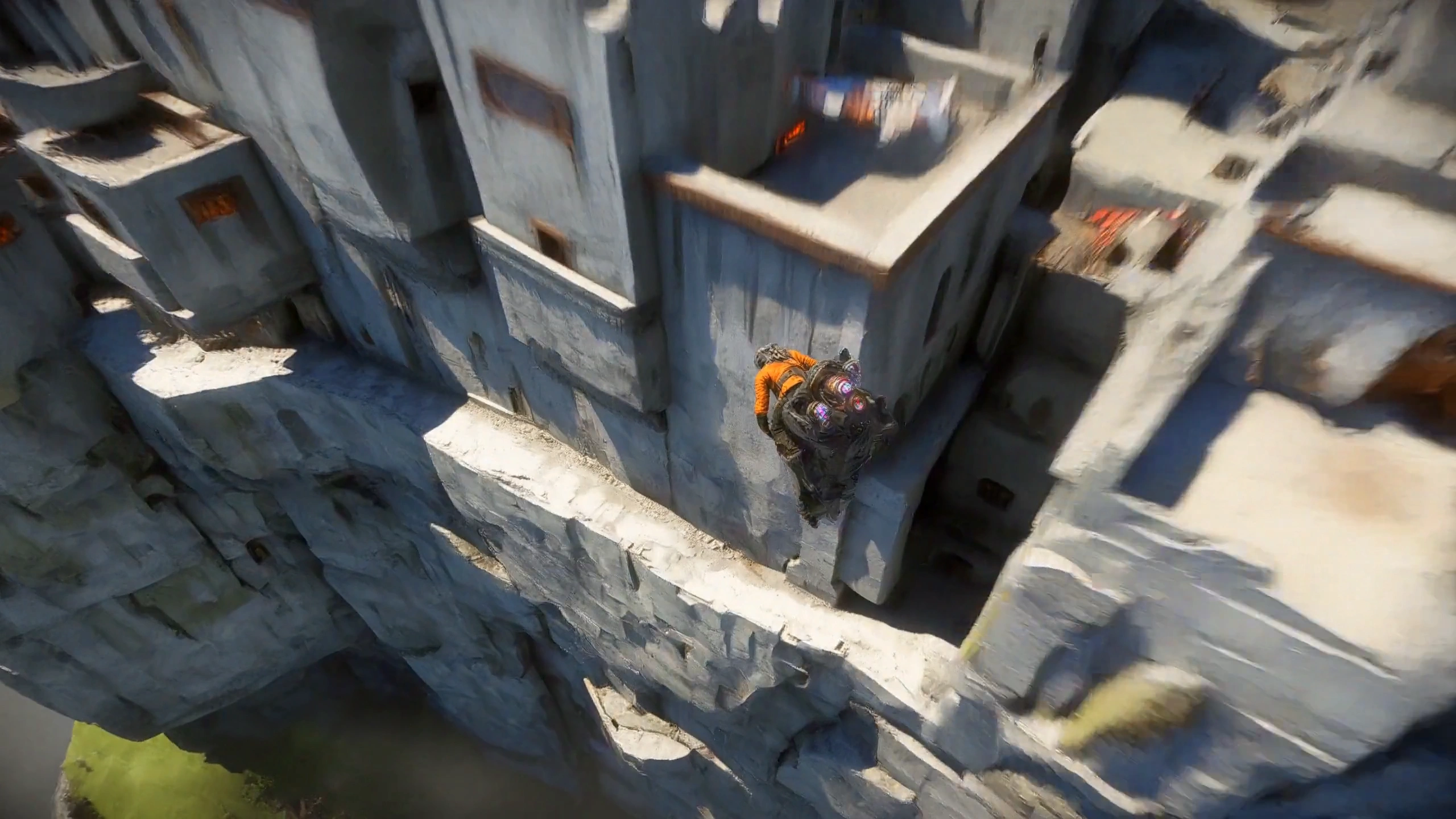


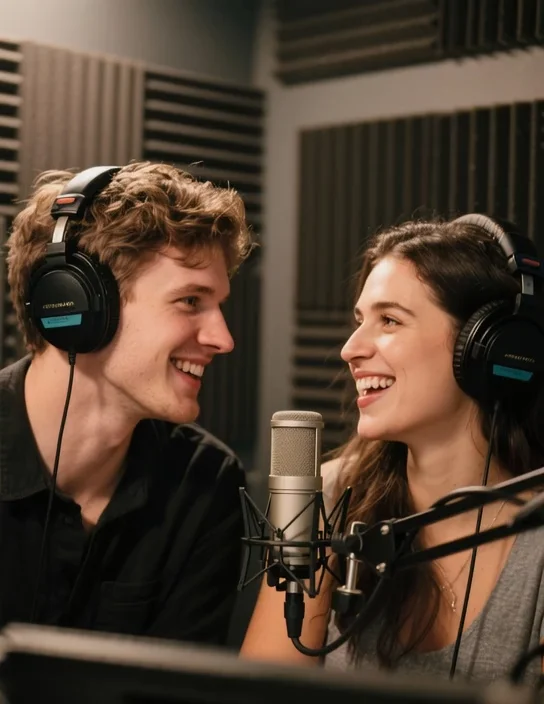
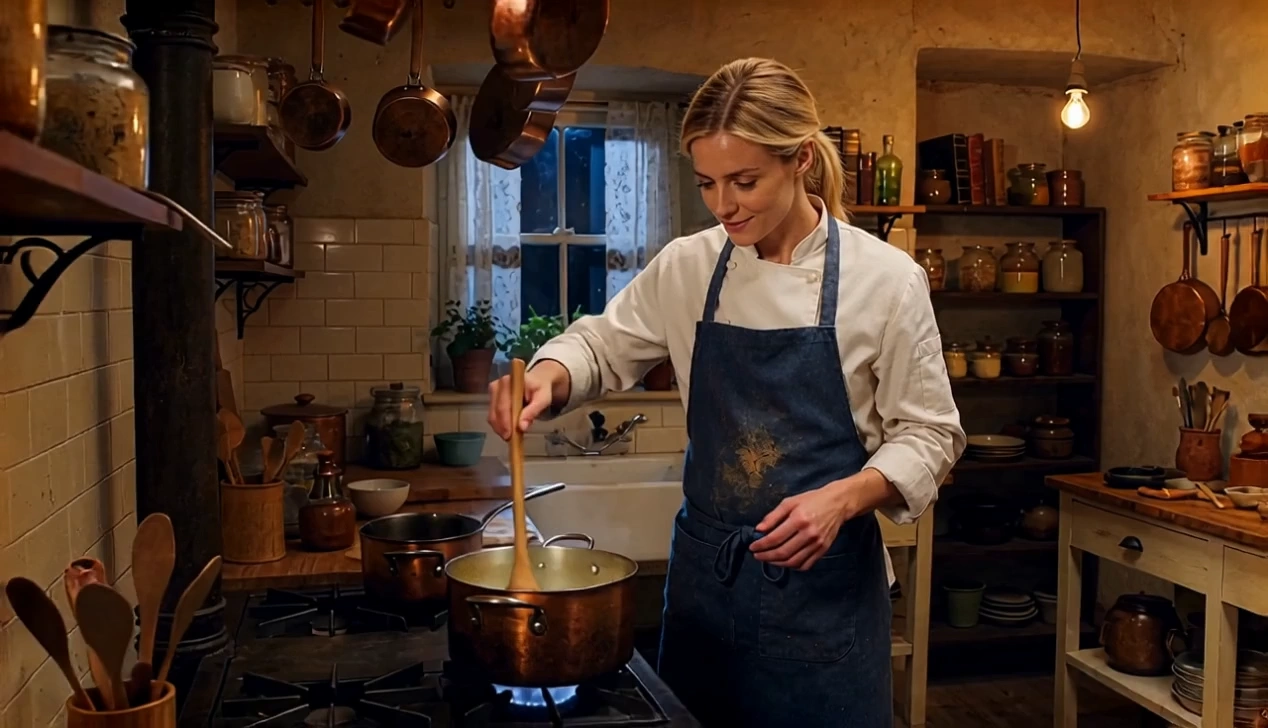
README
MiniMax H3 Image-to-Video
MiniMax H3 Image-to-Video generates high-resolution videos from a first-frame image and a text prompt. Upload an image, describe the desired motion and scene, optionally provide a last-frame image, and generate a 2k video output from 5 to 15 seconds.
Why Choose This?
-
Image-to-video generation
Animate a first-frame image into a video guided by your prompt. -
First-frame control
Use the input image to define the starting visual state, subject, composition, and style. -
Optional last-frame guidance
Providelast_imagewhen you want to guide the ending frame or final visual direction. -
2K video output
Generate high-resolution video outputs with the fixed2kresolution tier. -
Selectable duration
Generate videos from5to15seconds. -
Simple generation workflow
Provide an image and prompt, optionally add a last image, then generate the final video.
Parameters
| Parameter | Required | Description |
|---|---|---|
| image | Yes | First-frame image URL or Base64 data. Supported image dimensions are 256-5760 pixels per side, with an aspect ratio between 0.4 and 2.5. |
| prompt | Yes | Text description of the desired motion and scene. Minimum length: 1 character. Maximum length: 4000 characters. |
| last_image | No | Optional last-frame image URL or Base64 data. |
| resolution | No | Output video resolution. Supported value: 2k. |
| duration | No | Output video duration in seconds. Supported values: 5, 6, 7, 8, 9, 10, 11, 12, 13, 14, or 15. |
How to Use
- Upload first-frame image — Provide the image that should guide the opening frame, subject, style, and composition.
- Write your prompt — Describe the desired motion, camera movement, scene development, lighting, and mood.
- Add last image optional — Use
last_imagewhen you want to guide the final frame or ending direction. - Set duration — Choose a video length from
5to15seconds. - Submit — Generate the video and retrieve the output URL.
Pricing
Pricing is $0.13 per second of generated 2K video.
| Duration | Price |
|---|---|
| 5s | $0.65 |
| 10s | $1.30 |
| 15s | $1.95 |
Best Use Cases
- Image animation — Turn a still image into a high-resolution motion clip.
- Start-and-end-frame video generation — Use
imageandlast_imageto guide the beginning and ending of the video. - Cinematic scene creation — Generate short videos with camera movement, atmosphere, and visual continuity.
- Character and product motion — Animate a subject, product, or scene from a reference image.
- Story and scene prototyping — Turn image concepts into short 2K video previews.
- Creative visual development — Explore motion, lighting, mood, and composition from a single starting frame.
Pro Tips
- Use a clear first-frame image with the main subject visible.
- Describe visible motion, camera behavior, lighting, mood, and scene progression in the prompt.
- Use
last_imagewhen the ending frame or final visual direction matters. - Keep the first and last images visually compatible when using both.
- Use shorter durations for quick prompt testing and longer durations when the scene needs more time to develop.
- Make sure the input image matches the desired composition and aspect ratio.
Related Models
- MiniMax H3 Text-to-Video — Generate high-resolution video directly from text prompts.
- MiniMax H3 Reference-to-Video — Generate high-resolution video from reference media and prompt guidance.
H3 Image To Video API — Quick start
Grab a WaveSpeedAI API key, then call POST https://api.wavespeed.ai/api/v3/minimax/h3/image-to-video with your input as JSON. The endpoint returns a prediction id. Start polling the result endpoint around every 2 seconds, increase the interval for long-running tasks, and stop on any terminal status. On completed, read output values from data.outputs. Examples for H3 Image To Video below.
HTTP example
set -euo pipefail

: "${WAVESPEED_API_KEY:?Set WAVESPEED_API_KEY}"

REQUEST_BODY=$(cat <<'JSON'
{
    "image": "https://interactive-examples.mdn.mozilla.net/media/cc0-images/painted-hand-298-332.jpg",
    "prompt": "A cinematic shot of a city at sunset, soft golden light",
    "resolution": "2k",
    "duration": 5
}
JSON
)

# 1. Submit the prediction.
SUBMIT_RESPONSE=$(curl --silent --show-error --fail-with-body \
  -X POST "https://api.wavespeed.ai/api/v3/minimax/h3/image-to-video" \
  -H "Content-Type: application/json" \
  -H "Authorization: Bearer $WAVESPEED_API_KEY" \
  -d "$REQUEST_BODY")

TASK=$(printf '%s' "$SUBMIT_RESPONSE" | jq 'if has("data") then .data else . end')
PREDICTION_ID=$(printf '%s' "$TASK" | jq -r '.id')
if [ -z "$PREDICTION_ID" ] || [ "$PREDICTION_ID" = "null" ]; then
  printf 'Submission response did not contain a prediction id
' >&2
  exit 1
fi
RESULT_URL=$(printf '%s' "$TASK" | jq -r '.urls.get // empty')
if [ -z "$RESULT_URL" ]; then
  RESULT_URL="https://api.wavespeed.ai/api/v3/predictions/$PREDICTION_ID/result"
fi

# 2. Poll until the prediction finishes.
while true; do
  RESPONSE=$(curl --silent --show-error --fail-with-body "$RESULT_URL" \
    -H "Authorization: Bearer $WAVESPEED_API_KEY")
  RESULT=$(printf '%s' "$RESPONSE" | jq 'if has("data") then .data else . end')
  STATUS=$(printf '%s' "$RESULT" | jq -r '.status')
  case "$STATUS" in
    completed) printf '%s\n' "$RESULT" | jq '.outputs'; break ;;
    failed|cancelled|timeout) printf '%s\n' "$RESULT" | jq . >&2; exit 1 ;;
    created|processing) sleep 2 ;;
    *) printf 'Unexpected status: %s
' "$STATUS" >&2; exit 1 ;;
  esac
done
Node.js example
const submitUrl = "https://api.wavespeed.ai/api/v3/minimax/h3/image-to-video";
const apiKey = process.env.WAVESPEED_API_KEY;
if (!apiKey) throw new Error('Set WAVESPEED_API_KEY');

async function requestJson(url, options = {}) {
  const response = await fetch(url, options);
  if (!response.ok) throw new Error(await response.text());
  return response.json();
}

// 1. Submit the prediction.
const body = await requestJson(submitUrl, {
  method: "POST",
  headers: {
    "Authorization": `Bearer ${apiKey}`,
    "Content-Type": "application/json",
  },
  body: JSON.stringify({
        "image": "https://interactive-examples.mdn.mozilla.net/media/cc0-images/painted-hand-298-332.jpg",
        "prompt": "A cinematic shot of a city at sunset, soft golden light",
        "resolution": "2k",
        "duration": 5
}),
});
const task = body.data ?? body;
if (!task.id) throw new Error("Submission response did not contain a prediction id");
const resultUrl = task.urls?.get ||
  `https://api.wavespeed.ai/api/v3/predictions/${task.id}/result`;

// 2. Poll until the prediction finishes.
while (true) {
  const resultBody = await requestJson(resultUrl, {
    headers: { "Authorization": `Bearer ${apiKey}` },
  });
  const result = resultBody.data ?? resultBody;
  if (result.status === "completed") {
    console.log(result.outputs);
    break;
  }
  if (["failed", "cancelled", "timeout"].includes(result.status)) throw new Error(JSON.stringify(result));
  if (!["created", "processing"].includes(result.status)) throw new Error("Unexpected status: " + result.status);
  await new Promise(resolve => setTimeout(resolve, 2000));
}
Python example
import json
import os
import time
from urllib.request import Request, urlopen

api_key = os.environ["WAVESPEED_API_KEY"]
headers = {"Authorization": f"Bearer {api_key}", "Content-Type": "application/json"}
payload = {
    "image": "https://interactive-examples.mdn.mozilla.net/media/cc0-images/painted-hand-298-332.jpg",
    "prompt": "A cinematic shot of a city at sunset, soft golden light",
    "resolution": "2k",
    "duration": 5
}

def request_json(url, data=None):
    request = Request(url, data=data, headers=headers, method="POST" if data else "GET")
    with urlopen(request) as response:
        return json.load(response)

# 1. Submit the prediction.
body = request_json("https://api.wavespeed.ai/api/v3/minimax/h3/image-to-video", json.dumps(payload).encode())
task = body.get("data", body)
if not task.get("id"):
    raise RuntimeError("Submission response did not contain a prediction id")
result_url = task.get("urls", {}).get("get") or f"https://api.wavespeed.ai/api/v3/predictions/{task['id']}/result"

# 2. Poll until the prediction finishes.
while True:
    result_body = request_json(result_url)
    result = result_body.get("data", result_body)
    status = result.get("status")
    if status == "completed":
        print(result.get("outputs", []))
        break
    if status in {"failed", "cancelled", "timeout"}:
        raise RuntimeError(result)
    if status not in {"created", "processing"}:
        raise RuntimeError(f"Unexpected status: {status}")
    time.sleep(2)
H3 Image To Video API — Frequently asked questions
What is the H3 Image To Video API?
H3 Image To Video is a MiniMax model for video generation from images, exposed as a REST API on WaveSpeedAI. MiniMax H3 Image to Video animates a first-frame image into a coherent 2K video, with natural-language motion instructions and optional last-frame control for consistent motion, scene continuity, and cinematic video generation. Ready-to-use REST inference API, best performance, no coldstarts, affordable pricing. You can call it programmatically or try it from the playground above.
How do I call the H3 Image To Video API?
POST your input parameters to the model's REST endpoint (shown in the API tab of this playground) with your WaveSpeedAI API key in the Authorization header. Submission returns a prediction ID. Poll the result endpoint starting around every 2 seconds, increase the interval for long-running tasks, and stop on any terminal status. The playground generates production-oriented Python, JavaScript, and cURL examples with timeouts, transient-error handling, and safe GET retries. Full request/response shape is documented at https://wavespeed.ai/docs/docs-api/minimax/minimax-h3-image-to-video.
How much does H3 Image To Video cost per run?
H3 Image To Video starts at $0.13 per run. That figure is the base price — the final charge scales with the parameters you set in the form (output size, length, count, references, or whatever knobs this model exposes), so a higher-quality or larger output costs more than a minimal one. The exact cost for your current input is shown live next to the Generate button before you submit, and the actual per-call charge is recorded on the prediction afterwards.
What inputs does H3 Image To Video accept?
Key inputs: `prompt`, `image`, `resolution`, `duration`, `last_image`. The full JSON schema (types, defaults, allowed values) is rendered above the Generate button and mirrored in the API reference at https://wavespeed.ai/docs/docs-api/minimax/minimax-h3-image-to-video.
How do I get started with the H3 Image To Video API?
Sign up for a free WaveSpeedAI account to claim starter credits, copy your API key from /accesskey, then call the endpoint shown in the API tab of the playground. The playground also auto-generates a code sample in Python, JavaScript, or cURL for the parameters you've set.
Can I use H3 Image To Video outputs commercially?
Commercial usage rights depend on the model's license, set by its provider (MiniMax). The license summary appears on the model card above; see WaveSpeedAI's Terms of Service for platform-level conditions.