OpenVideo Image to Video LoRA is a fast AI image-to-video generation model that creates short cinematic clips with native audio from a single reference image, with optional preset control and per-LoRA strength settings for style, motion, and look-and-feel. Supports 480p, 720p, and 1080p output and 3–20 second duration tiers. Ready-to-use REST inference API for cinematic clips, character-consistent videos, stylized motion, product videos, social media content, advertising creatives, and professional LoRA-based image-to-video workflows with simple integration, no coldstarts, and affordable pricing.
निष्क्रिय
$0.15प्रति रन·~66 / $10
उदाहरणसभी देखें
The traveler looks down at the map, then raises his head toward the distant horizon. Wind blows sand across the frame, his jacket moves naturally, and the camera slowly circles around him with an epic cinematic feeling.
संबंधित मॉडल
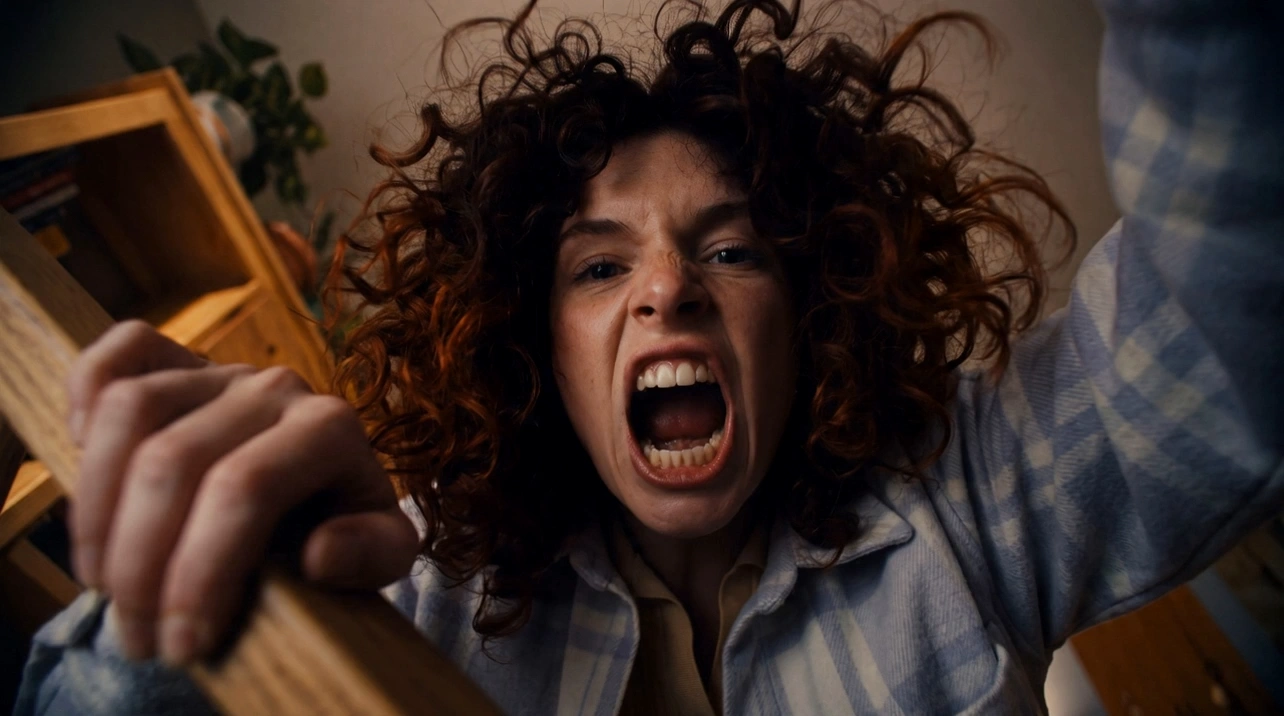
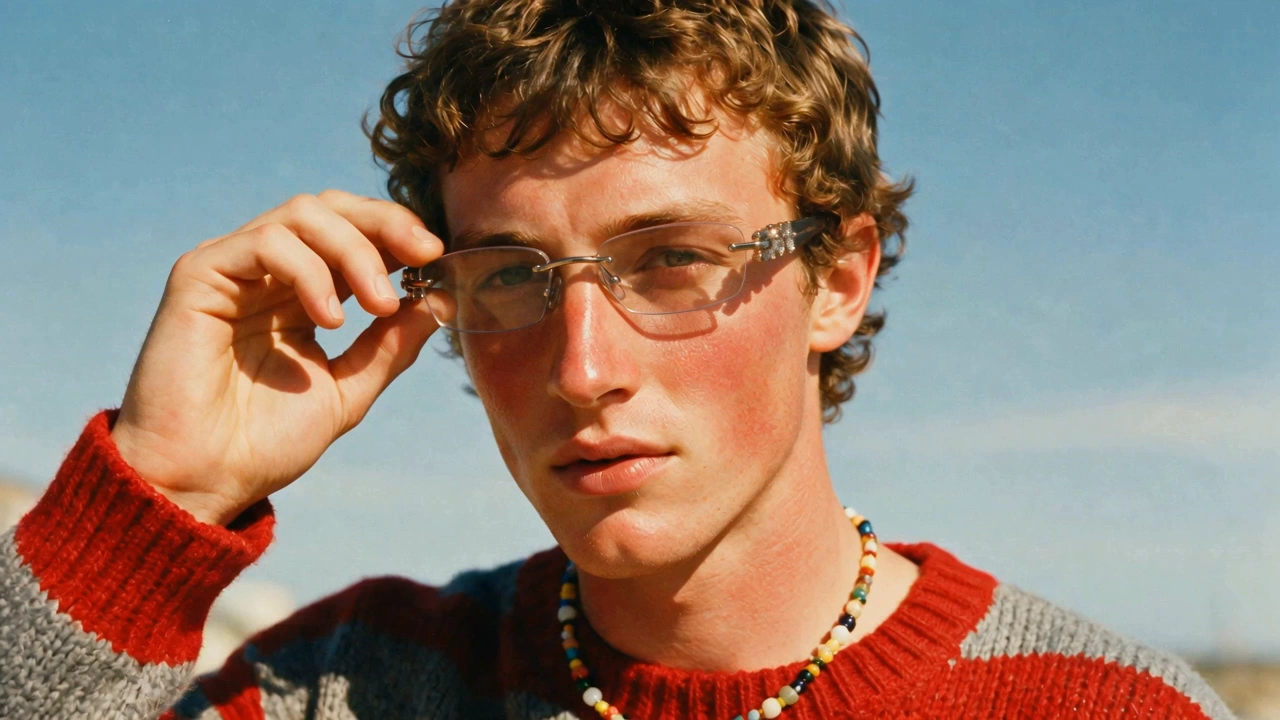
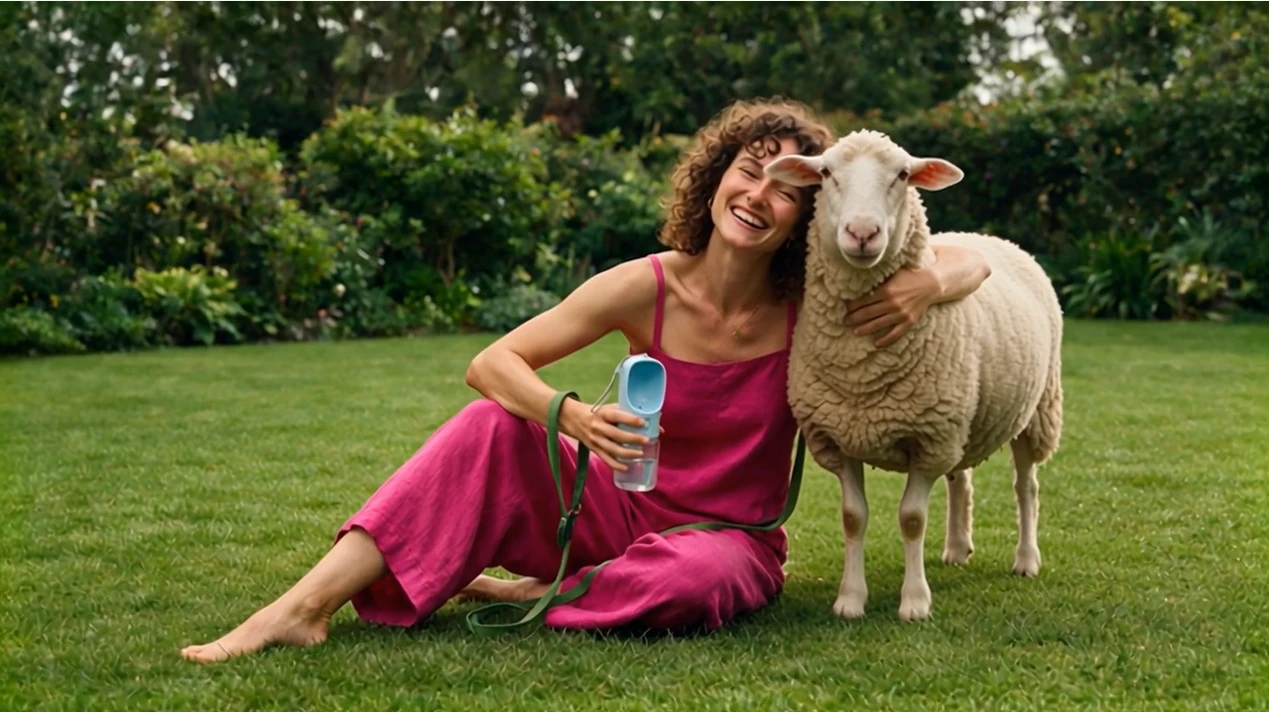
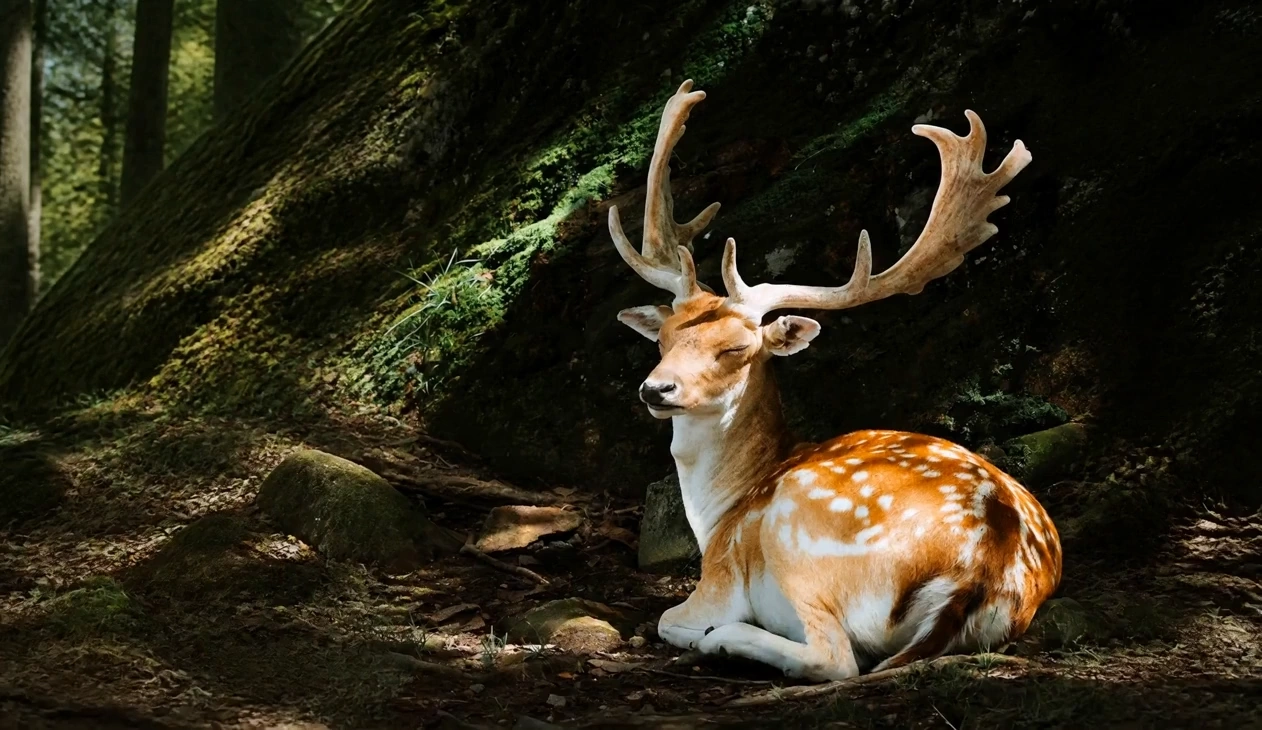

README
OpenVideo — Unlimited Image-to-Video (LoRA tier)
OpenVideo — Unlimited Image-to-Video (LoRA tier) uses the same audio-video generation pipeline as the base image-to-video endpoint, while adding a curated LoRA stack for stronger style, motion, and visual control. You can use the recommended preset or override individual LoRA strengths per request.
Why Choose This?
-
Same base image-to-video workflow Uses the same core audio-video pipeline as the base
image-to-videoendpoint. -
Preset-based LoRA control Choose between
originalfor lighter styling ortunedfor the recommended LoRA stack. -
Per-LoRA override support Override individual LoRA strengths on top of the selected preset for more flexible control.
-
Style, motion, and look control Fine-tune visual style, motion behavior, and overall output feel with a curated LoRA set.
-
Unlimited creative flexibility Designed for users who want more direct control over the generation result.
Parameters
This endpoint supports all inputs from the base image-to-video endpoint, plus the following extra fields:
| Parameter | Required | Description |
|---|---|---|
preset | No | LoRA preset. original applies lighter styling. tuned applies the recommended LoRA stack. Default: tuned. |
loras | No | Per-LoRA strength overrides merged on top of the selected preset. Example: {"omninft": 0.5, "better_motion": 0.3}. Unknown keys are ignored. Default: {}. |
Available LoRA Keys
sulphur, sulphur_v1, vbvr, dreamly, synth, plora, singularity, omninft, omninft_bf16, better_motion, physics_v2, hardcut, transition
How to Use
- Prepare your base image-to-video inputs — Use the same required inputs as the base
image-to-videoendpoint. - Choose a preset (optional) — Use
tunedfor the recommended LoRA stack ororiginalfor a lighter effect. - Set LoRA overrides (optional) — Pass a
lorasobject to adjust individual LoRA strengths. - Submit — Generate the final video result with LoRA-enhanced control.
Pricing
| Resolution | Per 5s | Per second | Max length |
|---|---|---|---|
| 480p | $0.15 | $0.03 / s | 20 s |
| 720p | $0.25 | $0.05 / s | 20 s |
| 1080p | $0.35 | $0.07 / s | 20 s |
Billing Rules
- Minimum charge: 5 seconds.
- Maximum billed duration: 20 seconds.
720pcosts 5/3× the480pprice.1080pcosts 7/3× the480pprice.- Billing is based on
max(5, min(duration, 20)).
Best Use Cases
- Style-controlled image-to-video generation — Apply stronger visual styling on top of the base image-to-video workflow.
- Motion tuning — Use motion-focused LoRAs such as
better_motionorphysics_v2to guide output behavior. - Look-and-feel customization — Combine preset stacks and LoRA overrides to shape the final visual result.
- Creative experimentation — Try different LoRA combinations for varied output styles and motion characteristics.
Pro Tips
- Use
preset = tunedfor the recommended default behavior. - Use
preset = originalwhen you want results closer to the base input style. - Use the
lorasobject to override only the LoRAs you want to adjust. - Set a LoRA value to
0if you want to disable that LoRA while keeping the rest of the preset unchanged. - Start with a small number of LoRA overrides before stacking many changes together.
Notes
- This endpoint includes all base
image-to-videoinputs and addspresetandloras. - Default
presetistuned. - Default
lorasvalue is{}. - Unknown LoRA keys are ignored.
- Each active LoRA adds approximately 0.5–0.8 seconds of extra runtime at 480p / 5s.
- In the worst case, using all 13 LoRAs may increase runtime by approximately 30% compared with using no LoRAs.
- Pass
loras: {"omninft": 0}to fully disable that LoRA from the selected preset without changing the rest. - By using this endpoint, you confirm that you have the right to generate the requested content under your jurisdiction.
Open Video Image To Video Lora API — Quick start
Grab a WaveSpeedAI API key, then call POST https://api.wavespeed.ai/api/v3/wavespeed-ai/open-video/image-to-video-lora with your input as JSON. The endpoint returns a prediction id. Start polling the result endpoint around every 2 seconds, increase the interval for long-running tasks, and stop on any terminal status. On completed, read output values from data.outputs. Examples for Open Video Image To Video Lora below.
HTTP example
set -euo pipefail

: "${WAVESPEED_API_KEY:?Set WAVESPEED_API_KEY}"

REQUEST_BODY=$(cat <<'JSON'
{
    "image": "https://interactive-examples.mdn.mozilla.net/media/cc0-images/painted-hand-298-332.jpg",
    "prompt": "A cinematic shot of a city at sunset, soft golden light",
    "preset": "tuned",
    "resolution": "480p",
    "duration": 5,
    "seed": -1
}
JSON
)

# 1. Submit the prediction.
SUBMIT_RESPONSE=$(curl --silent --show-error --fail-with-body \
  -X POST "https://api.wavespeed.ai/api/v3/wavespeed-ai/open-video/image-to-video-lora" \
  -H "Content-Type: application/json" \
  -H "Authorization: Bearer $WAVESPEED_API_KEY" \
  -d "$REQUEST_BODY")

TASK=$(printf '%s' "$SUBMIT_RESPONSE" | jq 'if has("data") then .data else . end')
PREDICTION_ID=$(printf '%s' "$TASK" | jq -r '.id')
if [ -z "$PREDICTION_ID" ] || [ "$PREDICTION_ID" = "null" ]; then
  printf 'Submission response did not contain a prediction id
' >&2
  exit 1
fi
RESULT_URL=$(printf '%s' "$TASK" | jq -r '.urls.get // empty')
if [ -z "$RESULT_URL" ]; then
  RESULT_URL="https://api.wavespeed.ai/api/v3/predictions/$PREDICTION_ID/result"
fi

# 2. Poll until the prediction finishes.
while true; do
  RESPONSE=$(curl --silent --show-error --fail-with-body "$RESULT_URL" \
    -H "Authorization: Bearer $WAVESPEED_API_KEY")
  RESULT=$(printf '%s' "$RESPONSE" | jq 'if has("data") then .data else . end')
  STATUS=$(printf '%s' "$RESULT" | jq -r '.status')
  case "$STATUS" in
    completed) printf '%s\n' "$RESULT" | jq '.outputs'; break ;;
    failed|cancelled|timeout) printf '%s\n' "$RESULT" | jq . >&2; exit 1 ;;
    created|processing) sleep 2 ;;
    *) printf 'Unexpected status: %s
' "$STATUS" >&2; exit 1 ;;
  esac
done
Node.js example
const submitUrl = "https://api.wavespeed.ai/api/v3/wavespeed-ai/open-video/image-to-video-lora";
const apiKey = process.env.WAVESPEED_API_KEY;
if (!apiKey) throw new Error('Set WAVESPEED_API_KEY');

async function requestJson(url, options = {}) {
  const response = await fetch(url, options);
  if (!response.ok) throw new Error(await response.text());
  return response.json();
}

// 1. Submit the prediction.
const body = await requestJson(submitUrl, {
  method: "POST",
  headers: {
    "Authorization": `Bearer ${apiKey}`,
    "Content-Type": "application/json",
  },
  body: JSON.stringify({
        "image": "https://interactive-examples.mdn.mozilla.net/media/cc0-images/painted-hand-298-332.jpg",
        "prompt": "A cinematic shot of a city at sunset, soft golden light",
        "preset": "tuned",
        "resolution": "480p",
        "duration": 5,
        "seed": -1
}),
});
const task = body.data ?? body;
if (!task.id) throw new Error("Submission response did not contain a prediction id");
const resultUrl = task.urls?.get ||
  `https://api.wavespeed.ai/api/v3/predictions/${task.id}/result`;

// 2. Poll until the prediction finishes.
while (true) {
  const resultBody = await requestJson(resultUrl, {
    headers: { "Authorization": `Bearer ${apiKey}` },
  });
  const result = resultBody.data ?? resultBody;
  if (result.status === "completed") {
    console.log(result.outputs);
    break;
  }
  if (["failed", "cancelled", "timeout"].includes(result.status)) throw new Error(JSON.stringify(result));
  if (!["created", "processing"].includes(result.status)) throw new Error("Unexpected status: " + result.status);
  await new Promise(resolve => setTimeout(resolve, 2000));
}
Python example
import json
import os
import time
from urllib.request import Request, urlopen

api_key = os.environ["WAVESPEED_API_KEY"]
headers = {"Authorization": f"Bearer {api_key}", "Content-Type": "application/json"}
payload = {
    "image": "https://interactive-examples.mdn.mozilla.net/media/cc0-images/painted-hand-298-332.jpg",
    "prompt": "A cinematic shot of a city at sunset, soft golden light",
    "preset": "tuned",
    "resolution": "480p",
    "duration": 5,
    "seed": -1
}

def request_json(url, data=None):
    request = Request(url, data=data, headers=headers, method="POST" if data else "GET")
    with urlopen(request) as response:
        return json.load(response)

# 1. Submit the prediction.
body = request_json("https://api.wavespeed.ai/api/v3/wavespeed-ai/open-video/image-to-video-lora", json.dumps(payload).encode())
task = body.get("data", body)
if not task.get("id"):
    raise RuntimeError("Submission response did not contain a prediction id")
result_url = task.get("urls", {}).get("get") or f"https://api.wavespeed.ai/api/v3/predictions/{task['id']}/result"

# 2. Poll until the prediction finishes.
while True:
    result_body = request_json(result_url)
    result = result_body.get("data", result_body)
    status = result.get("status")
    if status == "completed":
        print(result.get("outputs", []))
        break
    if status in {"failed", "cancelled", "timeout"}:
        raise RuntimeError(result)
    if status not in {"created", "processing"}:
        raise RuntimeError(f"Unexpected status: {status}")
    time.sleep(2)
Open Video Image To Video Lora API — Frequently asked questions
What is the Open Video Image To Video Lora API?
Open Video Image To Video Lora is a WaveSpeedAI model for AI inference, exposed as a REST API on WaveSpeedAI. OpenVideo Image to Video LoRA is a fast AI image-to-video generation model that creates short cinematic clips with native audio from a single reference image, with optional preset control and per-LoRA strength settings for style, motion, and look-and-feel. Supports 480p, 720p, and 1080p output and 3–20 second duration tiers. Ready-to-use REST inference API for cinematic clips, character-consistent videos, stylized motion, product videos, social media content, advertising creatives, and professional LoRA-based image-to-video workflows with simple integration, no coldstarts, and affordable pricing. You can call it programmatically or try it from the playground above.
How do I call the Open Video Image To Video Lora API?
POST your input parameters to the model's REST endpoint (shown in the API tab of this playground) with your WaveSpeedAI API key in the Authorization header. Submission returns a prediction ID. Poll the result endpoint starting around every 2 seconds, increase the interval for long-running tasks, and stop on any terminal status. The playground generates production-oriented Python, JavaScript, and cURL examples with timeouts, transient-error handling, and safe GET retries. Full request/response shape is documented at https://wavespeed.ai/docs/docs-api/wavespeed-ai/open-video-image-to-video-lora.
How much does Open Video Image To Video Lora cost per run?
Open Video Image To Video Lora starts at $0.15 per run. That figure is the base price — the final charge scales with the parameters you set in the form (output size, length, count, references, or whatever knobs this model exposes), so a higher-quality or larger output costs more than a minimal one. The exact cost for your current input is shown live next to the Generate button before you submit, and the actual per-call charge is recorded on the prediction afterwards.
What inputs does Open Video Image To Video Lora accept?
Key inputs: `prompt`, `image`, `resolution`, `duration`, `seed`, `loras`. The full JSON schema (types, defaults, allowed values) is rendered above the Generate button and mirrored in the API reference at https://wavespeed.ai/docs/docs-api/wavespeed-ai/open-video-image-to-video-lora.
How long does Open Video Image To Video Lora take to generate?
Median end-to-end generation time on WaveSpeedAI is around 39 seconds per request, based on recent successful runs. Queue time varies with global demand; live status is visible in the prediction record.
Can I use Open Video Image To Video Lora outputs commercially?
Commercial usage rights depend on the model's license, set by its provider (WaveSpeedAI). The license summary appears on the model card above; see WaveSpeedAI's Terms of Service for platform-level conditions.