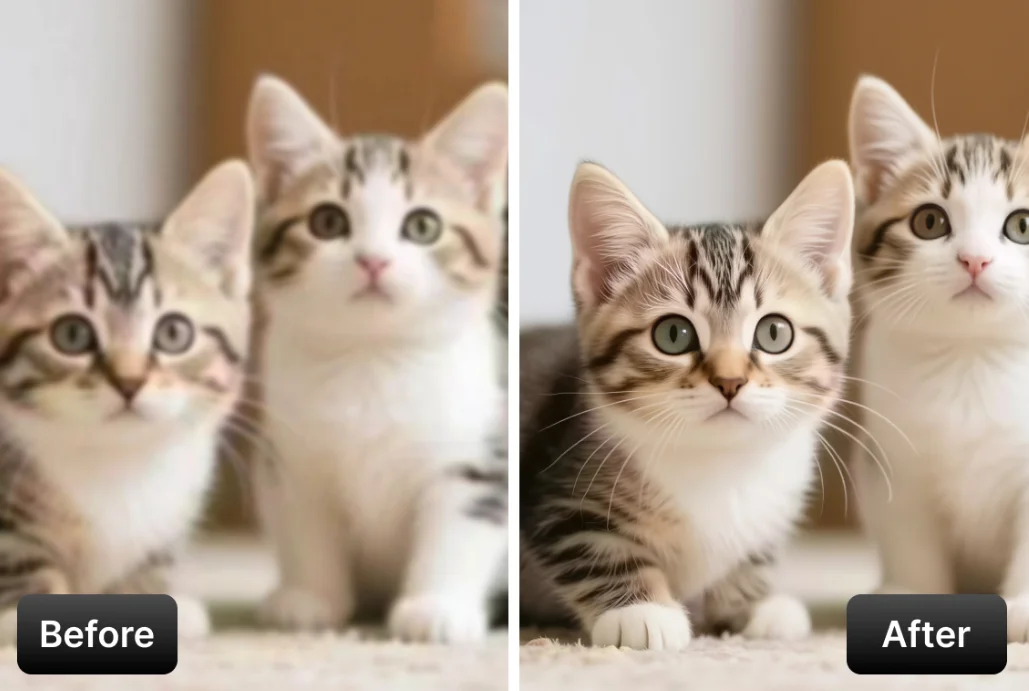
Topaz Image Sharpen brings clarity and crisp definition to soft or out-of-focus images. Perfect for fixing lens blur, motion blur, and general softness. Ready-to-use REST inference API, best performance, no coldstarts, affordable pricing.
En attente
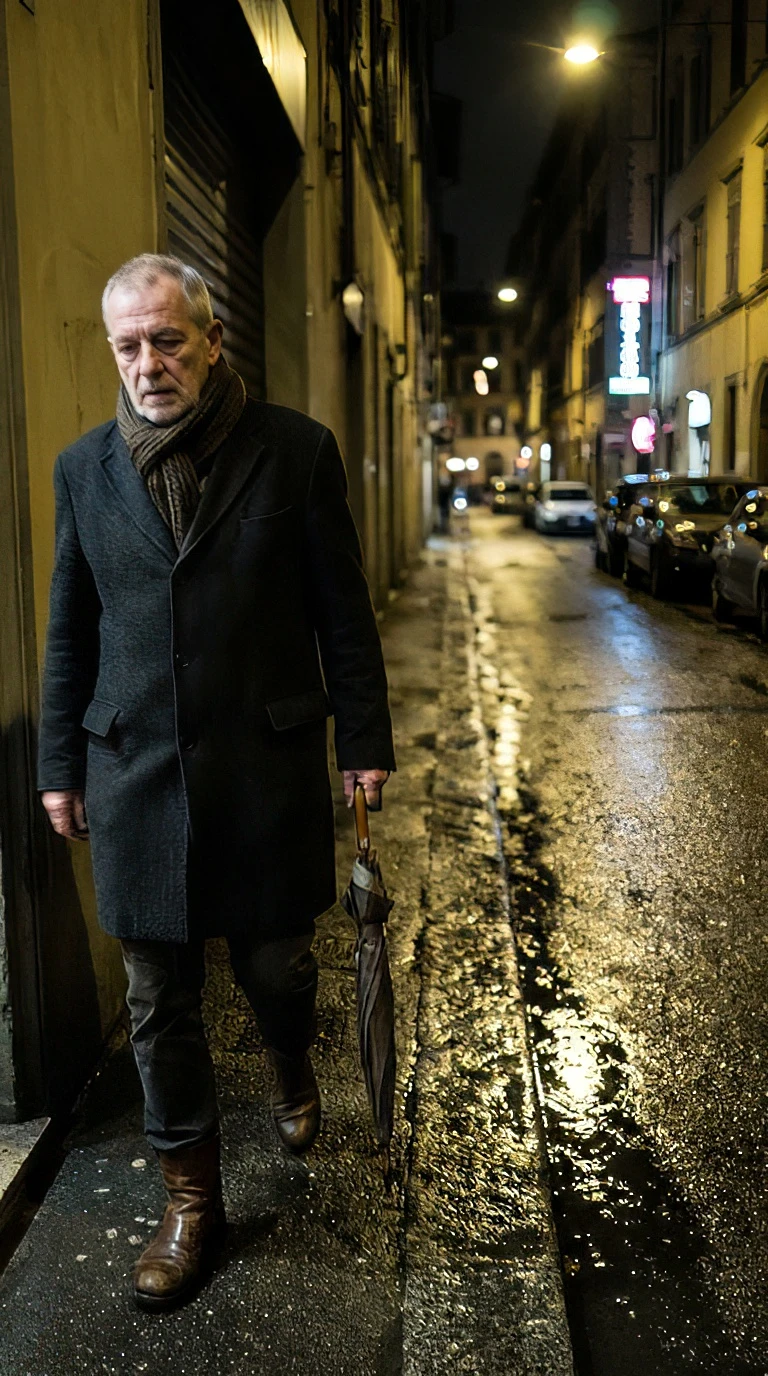
$0.15par exécution·~66 / $10
ExemplesTout voir

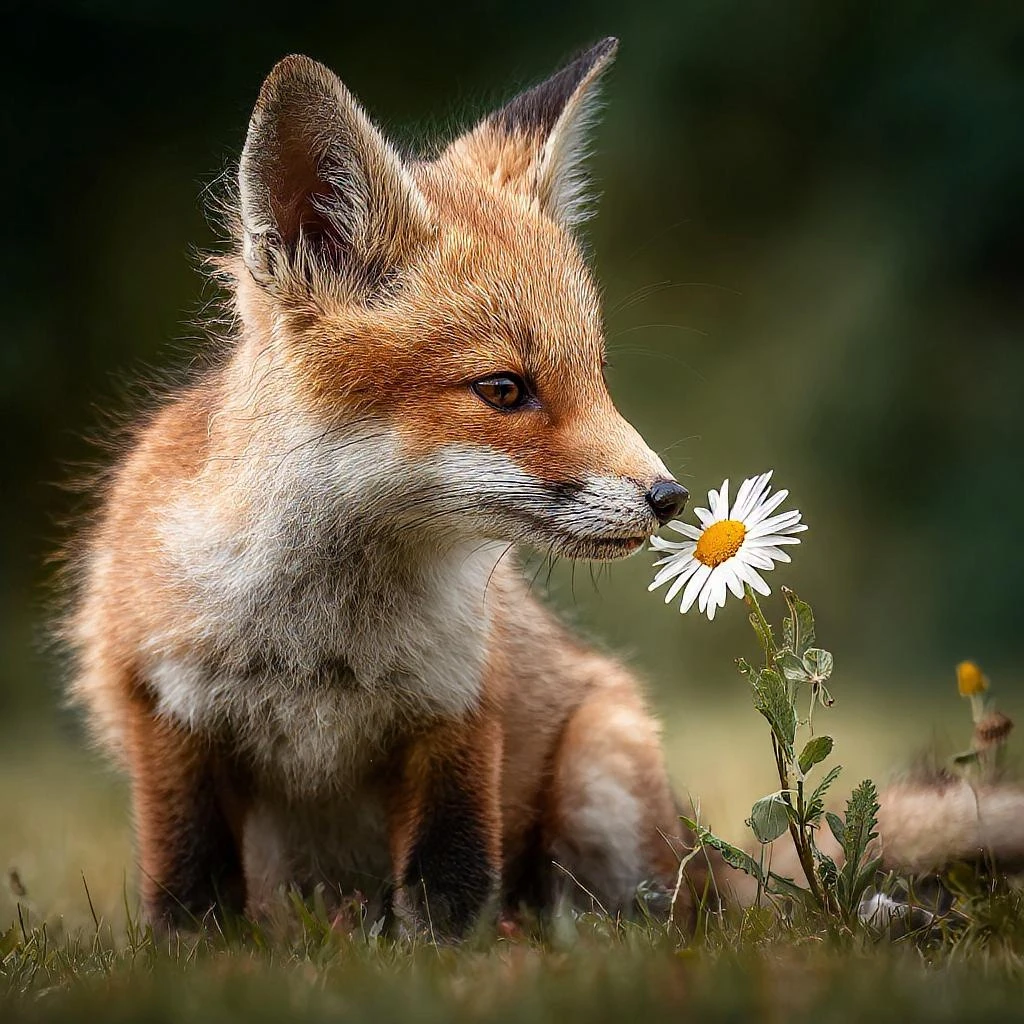
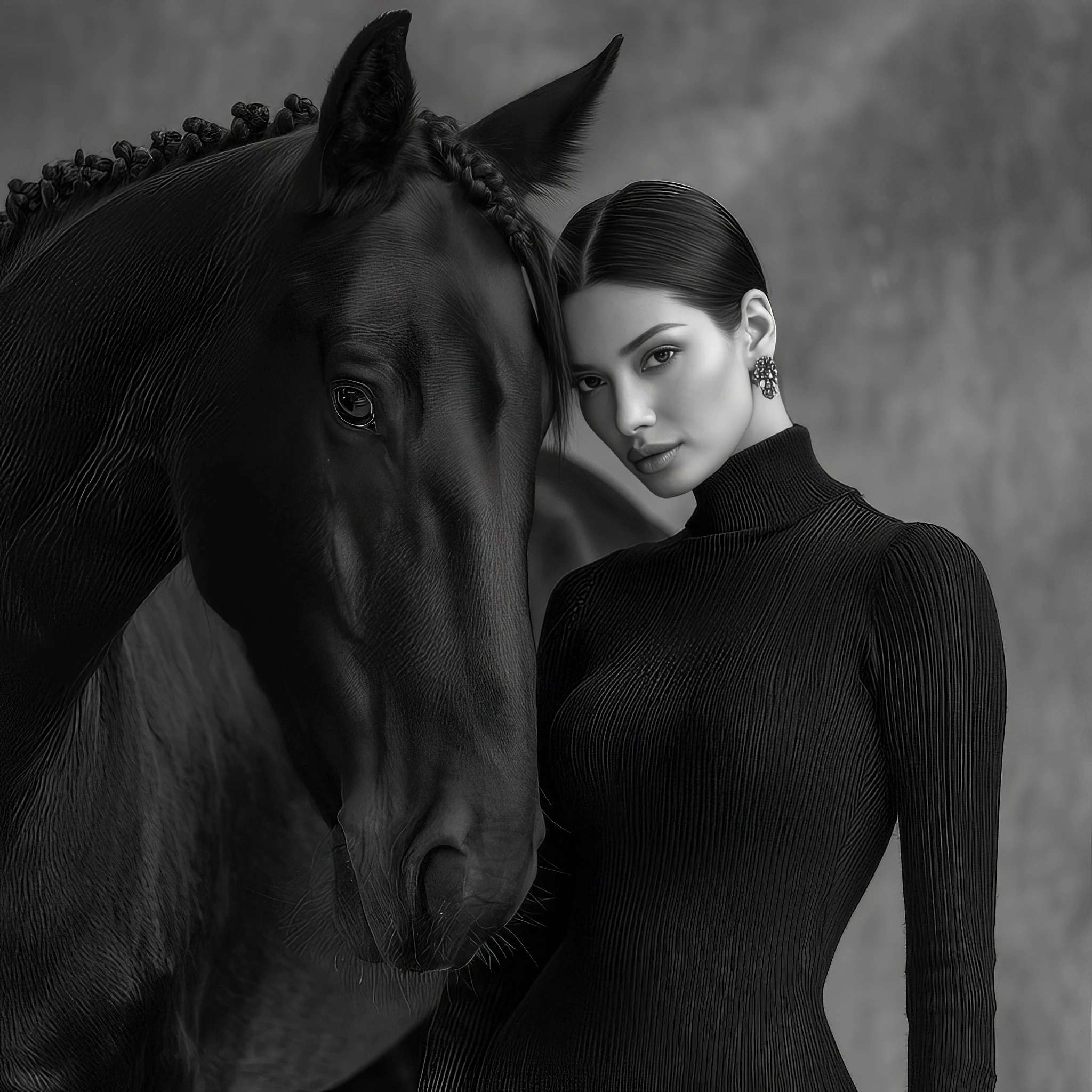
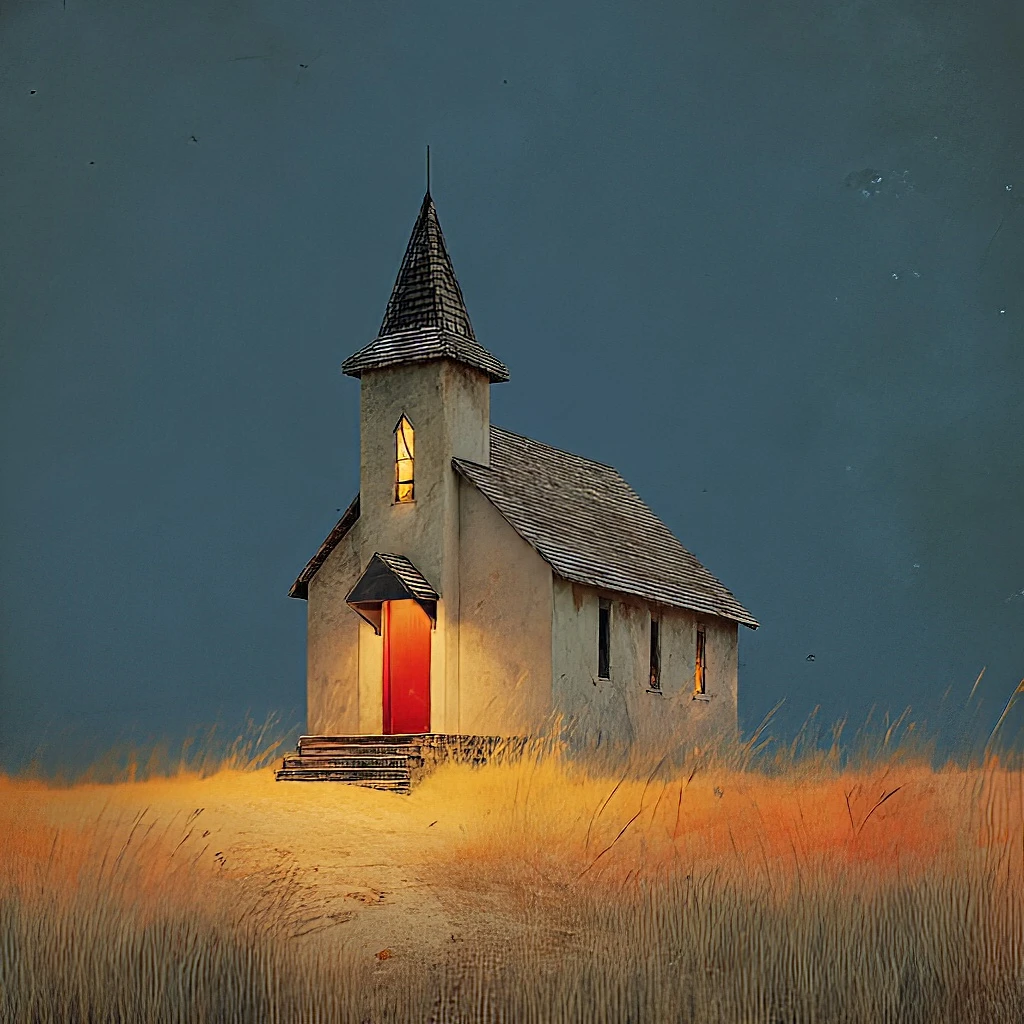
Modèles associés




README
Topaz Image Sharpen
Topaz Image Sharpen is a professional-grade image sharpening model powered by Topaz Labs' industry-leading AI technology. Upload your image and select from multiple specialized sharpening models — each optimized for different scenarios like portraits, wildlife, motion blur recovery, and more.
Why Choose This?
-
Multiple sharpening models 9 specialized models optimized for different use cases — from general sharpening to specific scenarios like portraits, wildlife, and motion blur.
-
Professional quality Powered by Topaz Labs' AI, trusted by professional photographers and content creators worldwide.
-
Blur recovery Specialized models for lens blur and motion blur can recover detail from out-of-focus or motion-blurred images.
-
Multiple output formats Export as JPEG, PNG, or TIFF based on your workflow needs.
Parameters
| Parameter | Required | Description |
|---|---|---|
| image | Yes | Source image to sharpen (upload or URL) |
| model | No | Sharpening model to use (default: Standard) |
| output_format | No | Output format: jpeg, jpg, png, tiff, or tif |
Model Options
| Model | Best For |
|---|---|
| Standard | General-purpose sharpening (default) |
| Strong | More aggressive sharpening for soft images |
| Lens Blur | Recovering detail from out-of-focus images |
| Lens Blur V2 | Improved lens blur recovery with better edge handling |
| Motion Blur | Recovering detail from motion-blurred images |
| Natural | Subtle, natural-looking sharpening |
| Refocus | Bringing soft areas back into focus |
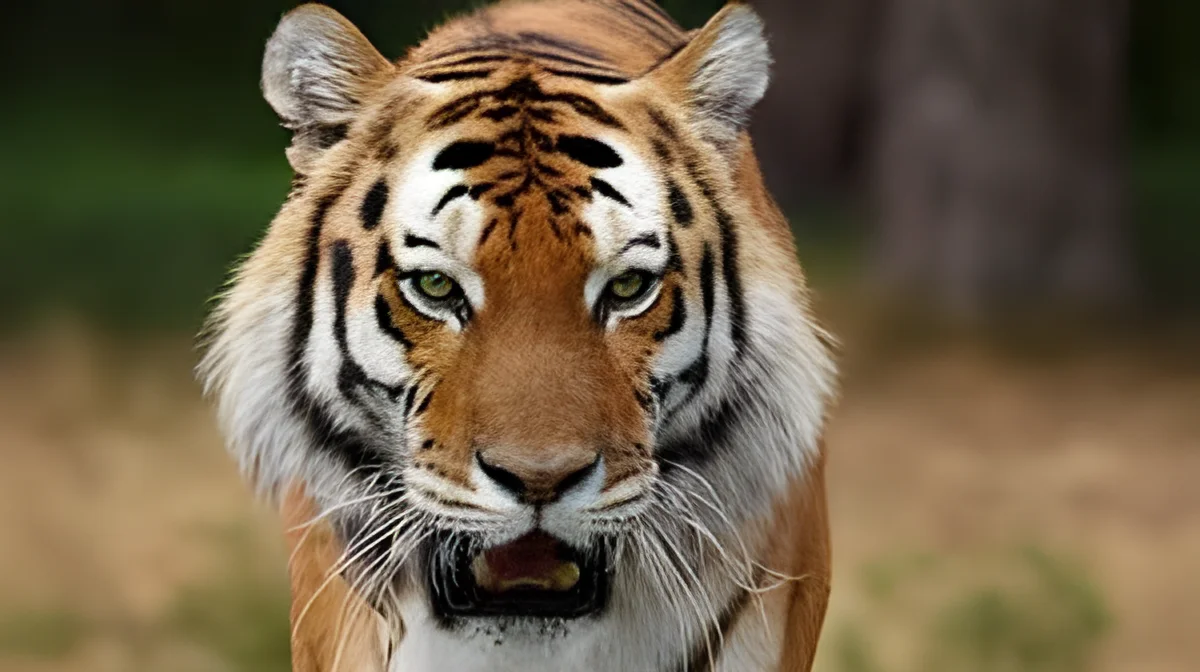
| Wildlife | Optimized for animal fur, feathers, and textures |
| Portrait | Optimized for skin, hair, and facial features |
Output Format Options
- jpeg / jpg — Compressed format, smaller file size
- png — Lossless format, supports transparency
- tiff / tif — Professional format, highest quality preservation
How to Use
- Upload your image — drag and drop or paste a URL.
- Select model — choose the sharpening model that matches your image type.
- Choose output format — select based on your quality and file size needs.
- Run — submit and download the sharpened image.
Pricing
| Item | Cost |
|---|---|
| Per image | $0.15 |
Simple flat-rate pricing regardless of image size or model selected.
Best Use Cases
- Photo Enhancement — Sharpen photos for print or digital display.
- Blur Recovery — Recover detail from slightly out-of-focus shots.
- Wildlife Photography — Enhance fur, feathers, and fine textures.
- Portrait Retouching — Sharpen facial features while maintaining natural skin.
- Motion Blur Correction — Improve images affected by camera shake or subject movement.
Pro Tips
- Start with Standard model for general use, switch to specialized models for specific content.
- Use Portrait mode for headshots to avoid over-sharpening skin texture.
- Use Wildlife mode for animals to enhance fur and feather details.
- Lens Blur V2 often produces better results than the original Lens Blur.
- Use PNG or TIFF for maximum quality preservation in professional workflows.
Notes
- Different models are optimized for different content types — experiment to find the best match.
- For best results, use high-resolution source images.
- Over-sharpening can introduce artifacts — start with Standard or Natural for subtle enhancement.
Related Models
- Topaz Image Denoise — AI-powered noise reduction.
- Topaz Image Sharpen — AI-powered image sharpening.
- Topaz Image Lighting — AI-powered lighting adjustment.
Image Sharpen API — Quick start
Grab a WaveSpeedAI API key, then call POST https://api.wavespeed.ai/api/v3/topaz/image/sharpen with your input as JSON. The endpoint returns a prediction id. Start polling the result endpoint around every 2 seconds, increase the interval for long-running tasks, and stop on any terminal status. On completed, read output values from data.outputs. Examples for Image Sharpen below.
HTTP example
set -euo pipefail

: "${WAVESPEED_API_KEY:?Set WAVESPEED_API_KEY}"

REQUEST_BODY=$(cat <<'JSON'
{
    "model": "Standard",
    "output_format": "jpeg"
}
JSON
)

# 1. Submit the prediction.
SUBMIT_RESPONSE=$(curl --silent --show-error --fail-with-body \
  -X POST "https://api.wavespeed.ai/api/v3/topaz/image/sharpen" \
  -H "Content-Type: application/json" \
  -H "Authorization: Bearer $WAVESPEED_API_KEY" \
  -d "$REQUEST_BODY")

TASK=$(printf '%s' "$SUBMIT_RESPONSE" | jq 'if has("data") then .data else . end')
PREDICTION_ID=$(printf '%s' "$TASK" | jq -r '.id')
if [ -z "$PREDICTION_ID" ] || [ "$PREDICTION_ID" = "null" ]; then
  printf 'Submission response did not contain a prediction id
' >&2
  exit 1
fi
RESULT_URL=$(printf '%s' "$TASK" | jq -r '.urls.get // empty')
if [ -z "$RESULT_URL" ]; then
  RESULT_URL="https://api.wavespeed.ai/api/v3/predictions/$PREDICTION_ID/result"
fi

# 2. Poll until the prediction finishes.
while true; do
  RESPONSE=$(curl --silent --show-error --fail-with-body "$RESULT_URL" \
    -H "Authorization: Bearer $WAVESPEED_API_KEY")
  RESULT=$(printf '%s' "$RESPONSE" | jq 'if has("data") then .data else . end')
  STATUS=$(printf '%s' "$RESULT" | jq -r '.status')
  case "$STATUS" in
    completed) printf '%s\n' "$RESULT" | jq '.outputs'; break ;;
    failed|cancelled|timeout) printf '%s\n' "$RESULT" | jq . >&2; exit 1 ;;
    created|processing) sleep 2 ;;
    *) printf 'Unexpected status: %s
' "$STATUS" >&2; exit 1 ;;
  esac
done
Node.js example
const submitUrl = "https://api.wavespeed.ai/api/v3/topaz/image/sharpen";
const apiKey = process.env.WAVESPEED_API_KEY;
if (!apiKey) throw new Error('Set WAVESPEED_API_KEY');

async function requestJson(url, options = {}) {
  const response = await fetch(url, options);
  if (!response.ok) throw new Error(await response.text());
  return response.json();
}

// 1. Submit the prediction.
const body = await requestJson(submitUrl, {
  method: "POST",
  headers: {
    "Authorization": `Bearer ${apiKey}`,
    "Content-Type": "application/json",
  },
  body: JSON.stringify({
        "model": "Standard",
        "output_format": "jpeg"
}),
});
const task = body.data ?? body;
if (!task.id) throw new Error("Submission response did not contain a prediction id");
const resultUrl = task.urls?.get ||
  `https://api.wavespeed.ai/api/v3/predictions/${task.id}/result`;

// 2. Poll until the prediction finishes.
while (true) {
  const resultBody = await requestJson(resultUrl, {
    headers: { "Authorization": `Bearer ${apiKey}` },
  });
  const result = resultBody.data ?? resultBody;
  if (result.status === "completed") {
    console.log(result.outputs);
    break;
  }
  if (["failed", "cancelled", "timeout"].includes(result.status)) throw new Error(JSON.stringify(result));
  if (!["created", "processing"].includes(result.status)) throw new Error("Unexpected status: " + result.status);
  await new Promise(resolve => setTimeout(resolve, 2000));
}
Python example
import json
import os
import time
from urllib.request import Request, urlopen

api_key = os.environ["WAVESPEED_API_KEY"]
headers = {"Authorization": f"Bearer {api_key}", "Content-Type": "application/json"}
payload = {
    "model": "Standard",
    "output_format": "jpeg"
}

def request_json(url, data=None):
    request = Request(url, data=data, headers=headers, method="POST" if data else "GET")
    with urlopen(request) as response:
        return json.load(response)

# 1. Submit the prediction.
body = request_json("https://api.wavespeed.ai/api/v3/topaz/image/sharpen", json.dumps(payload).encode())
task = body.get("data", body)
if not task.get("id"):
    raise RuntimeError("Submission response did not contain a prediction id")
result_url = task.get("urls", {}).get("get") or f"https://api.wavespeed.ai/api/v3/predictions/{task['id']}/result"

# 2. Poll until the prediction finishes.
while True:
    result_body = request_json(result_url)
    result = result_body.get("data", result_body)
    status = result.get("status")
    if status == "completed":
        print(result.get("outputs", []))
        break
    if status in {"failed", "cancelled", "timeout"}:
        raise RuntimeError(result)
    if status not in {"created", "processing"}:
        raise RuntimeError(f"Unexpected status: {status}")
    time.sleep(2)
Image Sharpen API — Frequently asked questions
What is the Image Sharpen API?
Image Sharpen is a Topaz model for image editing, exposed as a REST API on WaveSpeedAI. Topaz Image Sharpen brings clarity and crisp definition to soft or out-of-focus images. Perfect for fixing lens blur, motion blur, and general softness. Ready-to-use REST inference API, best performance, no coldstarts, affordable pricing. You can call it programmatically or try it from the playground above.
How do I call the Image Sharpen API?
POST your input parameters to the model's REST endpoint (shown in the API tab of this playground) with your WaveSpeedAI API key in the Authorization header. Submission returns a prediction ID. Poll the result endpoint starting around every 2 seconds, increase the interval for long-running tasks, and stop on any terminal status. The playground generates production-oriented Python, JavaScript, and cURL examples with timeouts, transient-error handling, and safe GET retries. Full request/response shape is documented at https://wavespeed.ai/docs/docs-api/topaz/topaz-image-sharpen.
How much does Image Sharpen cost per run?
Image Sharpen starts at $0.15 per run. That figure is the base price — the final charge scales with the parameters you set in the form (output size, length, count, references, or whatever knobs this model exposes), so a higher-quality or larger output costs more than a minimal one. The exact cost for your current input is shown live next to the Generate button before you submit, and the actual per-call charge is recorded on the prediction afterwards.
What inputs does Image Sharpen accept?
Key inputs: `image`, `enable_base64_output`, `model`, `output_format`. The full JSON schema (types, defaults, allowed values) is rendered above the Generate button and mirrored in the API reference at https://wavespeed.ai/docs/docs-api/topaz/topaz-image-sharpen.
How long does Image Sharpen take to generate?
Median end-to-end generation time on WaveSpeedAI is around 12 seconds per request, based on recent successful runs. Queue time varies with global demand; live status is visible in the prediction record.
Can I use Image Sharpen outputs commercially?
Commercial usage rights depend on the model's license, set by its provider (Topaz). The license summary appears on the model card above; see WaveSpeedAI's Terms of Service for platform-level conditions.