Kling V3 Turbo Standard Image to Video converts first-frame images and optional prompts into 720P videos, with single-prompt generation and multi-shot storyboard support. Ready-to-use REST inference API, best performance, no coldstarts, affordable pricing.
En attente
$0.112par exécution·~89 / $10
ExemplesTout voir
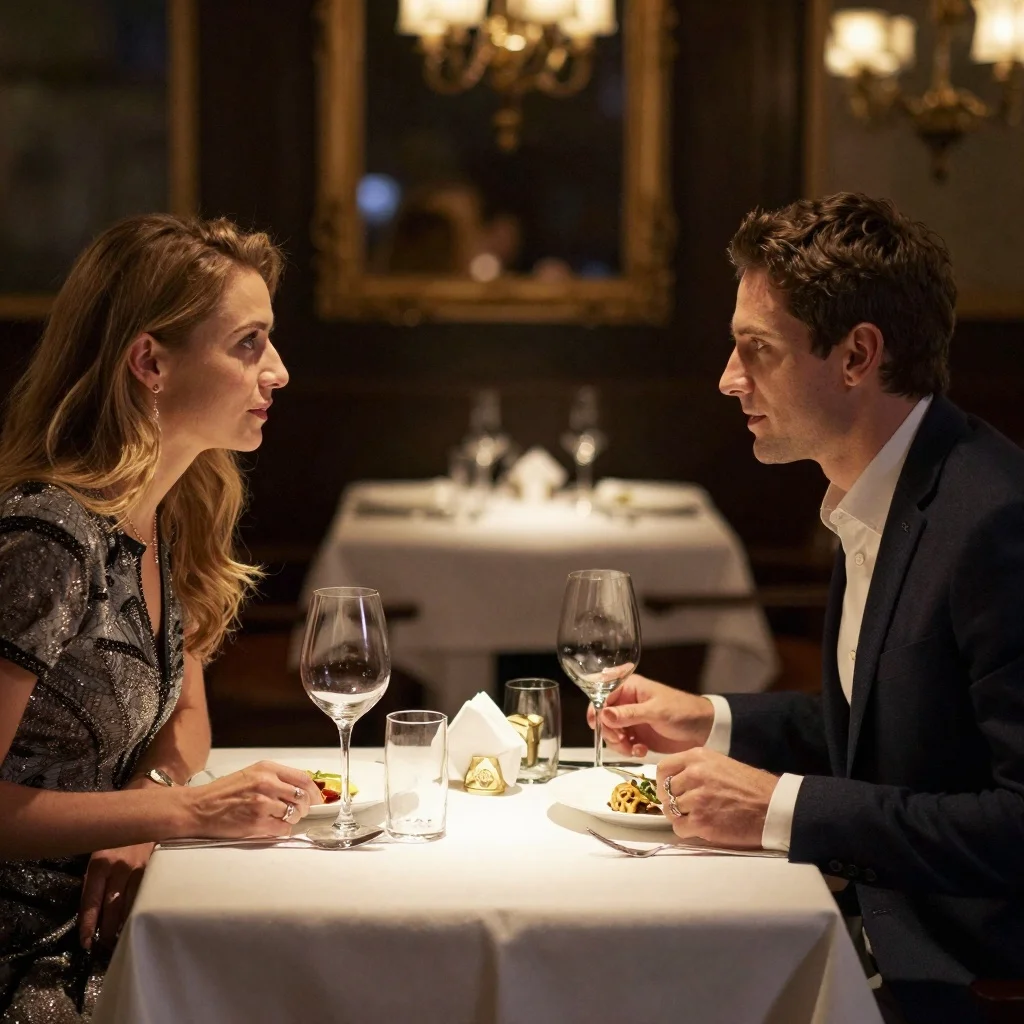
He lifts the noodles with chopsticks as steam curls around his face. Raindrops slide down the window, neon signs blink outside, and the camera shifts from the ramen bowl to his tired expression.
Modèles associés





README
Kling V3 Turbo Standard Image-to-Video
Kling V3 Turbo Standard Image-to-Video generates fast, affordable 720p videos from a first-frame reference image. It supports optional text guidance and multi-shot storyboard generation.
Why Choose This?
-
First-frame image animation
Turn a still image into a video using the image as the starting frame. -
Fast 720p output
Use the standard model for efficient image-to-video generation. -
Lower cost generation
Create and iterate on image-driven videos at a lower per-second price. -
Multi-shot storyboard support
Usemulti_promptto define multiple prompted segments with separate durations. -
Standard video output
The generated video is returned as a URL in the standard WaveSpeed prediction response.
Parameters
| Parameter | Required | Description |
|---|---|---|
| image | Yes | First-frame reference image URL. JPG and PNG images work best. |
| prompt | No | Optional text prompt to guide the generated video. Mutually exclusive with multi_prompt. |
| multi_prompt | No | Multi-shot storyboard. Each item includes a prompt and duration. Mutually exclusive with prompt. |
| duration | No | Video duration in seconds for single-prompt generation. Options: 3 to 15. Default: 5. |
How to Use
- Upload an image — Provide the first-frame reference image.
- Enter a prompt (optional) — Describe the desired motion, camera movement, or scene change.
- Or create a storyboard — Use
multi_promptto define multiple prompted segments. - Set duration — Choose the video duration for single-prompt generation, or set durations per shot in
multi_prompt. - Submit — Generate the animated video output.
Output
Returns generated video URL(s) in the standard WaveSpeed prediction response.
The generated video is returned as MP4 video.
Pricing
Pricing is $0.112 per second.
WaveSpeed bills by the generated video duration. If multi_prompt is provided, billing uses the selected duration plus the sum of all segment durations.
| Generated Duration | Price |
|---|---|
| 3s | $0.336 |
| 5s | $0.56 |
| 10s | $1.12 |
| 15s | $1.68 |
Billing Rules
- Billing is based on generated video duration.
- Single-prompt requests use the
durationparameter. multi_promptrequests usedurationplus the sum of all segment durations.- Each second costs $0.112.
Best Use Cases
- Image animation — Animate still images into short video clips.
- Affordable video drafts — Test image-to-video ideas at lower cost.
- Product motion concepts — Create motion previews from product or object images.
- Character and scene animation — Add movement to portraits, scenes, or illustrated frames.
- Storyboard generation — Build multi-shot videos from one starting image.
Pro Tips
- Use a sharp, high quality image with a clear subject.
- Add motion and camera details in the prompt for stronger control.
- Use
multi_promptwhen you want multiple guided segments. - Keep total
multi_promptduration within the model limit. - Make sure the image URL is publicly accessible.
Notes
imageis required.promptis optional.promptandmulti_promptare mutually exclusive.durationis used for single-prompt generation.multi_promptsupports per-shot durations.- The total generated duration must not exceed 15 seconds.
Kling v3 Turbo Std Image To Video API — Quick start
Grab a WaveSpeedAI API key, then call POST https://api.wavespeed.ai/api/v3/kwaivgi/kling-v3-turbo-std/image-to-video with your input as JSON. The endpoint returns a prediction id. Start polling the result endpoint around every 2 seconds, increase the interval for long-running tasks, and stop on any terminal status. On completed, read output values from data.outputs. Examples for Kling v3 Turbo Std Image To Video below.
HTTP example
set -euo pipefail

: "${WAVESPEED_API_KEY:?Set WAVESPEED_API_KEY}"

REQUEST_BODY=$(cat <<'JSON'
{
    "image": "https://interactive-examples.mdn.mozilla.net/media/cc0-images/painted-hand-298-332.jpg",
    "duration": "5"
}
JSON
)

# 1. Submit the prediction.
SUBMIT_RESPONSE=$(curl --silent --show-error --fail-with-body \
  -X POST "https://api.wavespeed.ai/api/v3/kwaivgi/kling-v3-turbo-std/image-to-video" \
  -H "Content-Type: application/json" \
  -H "Authorization: Bearer $WAVESPEED_API_KEY" \
  -d "$REQUEST_BODY")

TASK=$(printf '%s' "$SUBMIT_RESPONSE" | jq 'if has("data") then .data else . end')
PREDICTION_ID=$(printf '%s' "$TASK" | jq -r '.id')
if [ -z "$PREDICTION_ID" ] || [ "$PREDICTION_ID" = "null" ]; then
  printf 'Submission response did not contain a prediction id
' >&2
  exit 1
fi
RESULT_URL=$(printf '%s' "$TASK" | jq -r '.urls.get // empty')
if [ -z "$RESULT_URL" ]; then
  RESULT_URL="https://api.wavespeed.ai/api/v3/predictions/$PREDICTION_ID/result"
fi

# 2. Poll until the prediction finishes.
while true; do
  RESPONSE=$(curl --silent --show-error --fail-with-body "$RESULT_URL" \
    -H "Authorization: Bearer $WAVESPEED_API_KEY")
  RESULT=$(printf '%s' "$RESPONSE" | jq 'if has("data") then .data else . end')
  STATUS=$(printf '%s' "$RESULT" | jq -r '.status')
  case "$STATUS" in
    completed) printf '%s\n' "$RESULT" | jq '.outputs'; break ;;
    failed|cancelled|timeout) printf '%s\n' "$RESULT" | jq . >&2; exit 1 ;;
    created|processing) sleep 2 ;;
    *) printf 'Unexpected status: %s
' "$STATUS" >&2; exit 1 ;;
  esac
done
Node.js example
const submitUrl = "https://api.wavespeed.ai/api/v3/kwaivgi/kling-v3-turbo-std/image-to-video";
const apiKey = process.env.WAVESPEED_API_KEY;
if (!apiKey) throw new Error('Set WAVESPEED_API_KEY');

async function requestJson(url, options = {}) {
  const response = await fetch(url, options);
  if (!response.ok) throw new Error(await response.text());
  return response.json();
}

// 1. Submit the prediction.
const body = await requestJson(submitUrl, {
  method: "POST",
  headers: {
    "Authorization": `Bearer ${apiKey}`,
    "Content-Type": "application/json",
  },
  body: JSON.stringify({
        "image": "https://interactive-examples.mdn.mozilla.net/media/cc0-images/painted-hand-298-332.jpg",
        "duration": "5"
}),
});
const task = body.data ?? body;
if (!task.id) throw new Error("Submission response did not contain a prediction id");
const resultUrl = task.urls?.get ||
  `https://api.wavespeed.ai/api/v3/predictions/${task.id}/result`;

// 2. Poll until the prediction finishes.
while (true) {
  const resultBody = await requestJson(resultUrl, {
    headers: { "Authorization": `Bearer ${apiKey}` },
  });
  const result = resultBody.data ?? resultBody;
  if (result.status === "completed") {
    console.log(result.outputs);
    break;
  }
  if (["failed", "cancelled", "timeout"].includes(result.status)) throw new Error(JSON.stringify(result));
  if (!["created", "processing"].includes(result.status)) throw new Error("Unexpected status: " + result.status);
  await new Promise(resolve => setTimeout(resolve, 2000));
}
Python example
import json
import os
import time
from urllib.request import Request, urlopen

api_key = os.environ["WAVESPEED_API_KEY"]
headers = {"Authorization": f"Bearer {api_key}", "Content-Type": "application/json"}
payload = {
    "image": "https://interactive-examples.mdn.mozilla.net/media/cc0-images/painted-hand-298-332.jpg",
    "duration": "5"
}

def request_json(url, data=None):
    request = Request(url, data=data, headers=headers, method="POST" if data else "GET")
    with urlopen(request) as response:
        return json.load(response)

# 1. Submit the prediction.
body = request_json("https://api.wavespeed.ai/api/v3/kwaivgi/kling-v3-turbo-std/image-to-video", json.dumps(payload).encode())
task = body.get("data", body)
if not task.get("id"):
    raise RuntimeError("Submission response did not contain a prediction id")
result_url = task.get("urls", {}).get("get") or f"https://api.wavespeed.ai/api/v3/predictions/{task['id']}/result"

# 2. Poll until the prediction finishes.
while True:
    result_body = request_json(result_url)
    result = result_body.get("data", result_body)
    status = result.get("status")
    if status == "completed":
        print(result.get("outputs", []))
        break
    if status in {"failed", "cancelled", "timeout"}:
        raise RuntimeError(result)
    if status not in {"created", "processing"}:
        raise RuntimeError(f"Unexpected status: {status}")
    time.sleep(2)
Kling v3 Turbo Std Image To Video API — Frequently asked questions
What is the Kling v3 Turbo Std Image To Video API?
Kling v3 Turbo Std Image To Video is a Kuaishou model for video generation from images, exposed as a REST API on WaveSpeedAI. Kling V3 Turbo Standard Image to Video converts first-frame images and optional prompts into 720P videos, with single-prompt generation and multi-shot storyboard support. Ready-to-use REST inference API, best performance, no coldstarts, affordable pricing. You can call it programmatically or try it from the playground above.
How do I call the Kling v3 Turbo Std Image To Video API?
POST your input parameters to the model's REST endpoint (shown in the API tab of this playground) with your WaveSpeedAI API key in the Authorization header. Submission returns a prediction ID. Poll the result endpoint starting around every 2 seconds, increase the interval for long-running tasks, and stop on any terminal status. The playground generates production-oriented Python, JavaScript, and cURL examples with timeouts, transient-error handling, and safe GET retries. Full request/response shape is documented at https://wavespeed.ai/docs/docs-api/kwaivgi/kwaivgi-kling-v3-turbo-std-image-to-video.
How much does Kling v3 Turbo Std Image To Video cost per run?
Kling v3 Turbo Std Image To Video starts at $0.11 per run. That figure is the base price — the final charge scales with the parameters you set in the form (output size, length, count, references, or whatever knobs this model exposes), so a higher-quality or larger output costs more than a minimal one. The exact cost for your current input is shown live next to the Generate button before you submit, and the actual per-call charge is recorded on the prediction afterwards.
What inputs does Kling v3 Turbo Std Image To Video accept?
Key inputs: `prompt`, `image`, `duration`, `multi_prompt`. The full JSON schema (types, defaults, allowed values) is rendered above the Generate button and mirrored in the API reference at https://wavespeed.ai/docs/docs-api/kwaivgi/kwaivgi-kling-v3-turbo-std-image-to-video.
How long does Kling v3 Turbo Std Image To Video take to generate?
Median end-to-end generation time on WaveSpeedAI is around 73 seconds per request, based on recent successful runs. Queue time varies with global demand; live status is visible in the prediction record.
Can I use Kling v3 Turbo Std Image To Video outputs commercially?
Commercial usage rights depend on the model's license, set by its provider (Kuaishou). The license summary appears on the model card above; see WaveSpeedAI's Terms of Service for platform-level conditions.