HiDream-O1-Image Dev (Edit) is the distilled, fast-inference variant of HiDream-O1-Image in edit mode — accepts a source image plus an instruction (and optional extra references for subject-driven personalization) at up to 2K resolution, at half the price of the full model. Ready-to-use REST inference API, best performance, no coldstarts, affordable pricing.
Inactivo

$0.02por ejecución·~50 / $1
EjemplosVer todo
Replace the white blouse and beige trousers with a premium black tailored blazer and matching black trousers. Preserve the model's face, body pose, hairstyle, camera angle, background, and lighting. The new outfit should fit naturally, with realistic fabric folds, seams, and shadows. Keep the image suitable for a high-end fashion e-commerce campaign.
Modelos relacionados

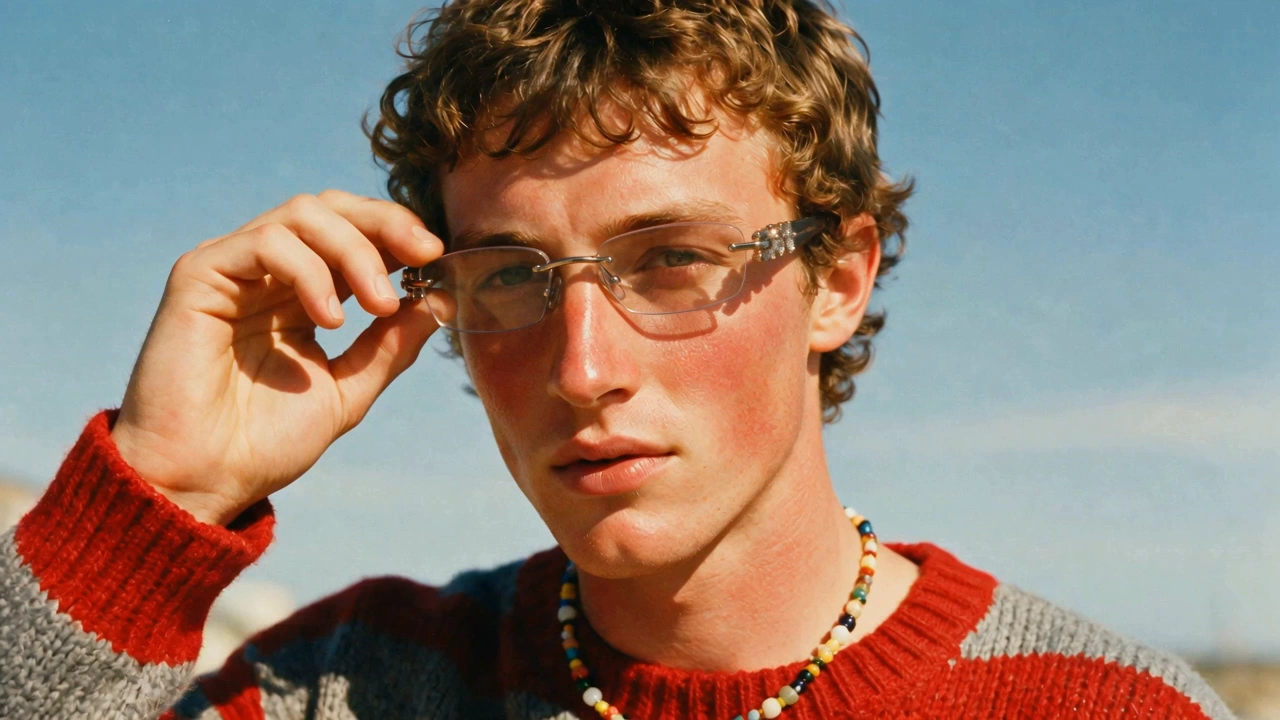
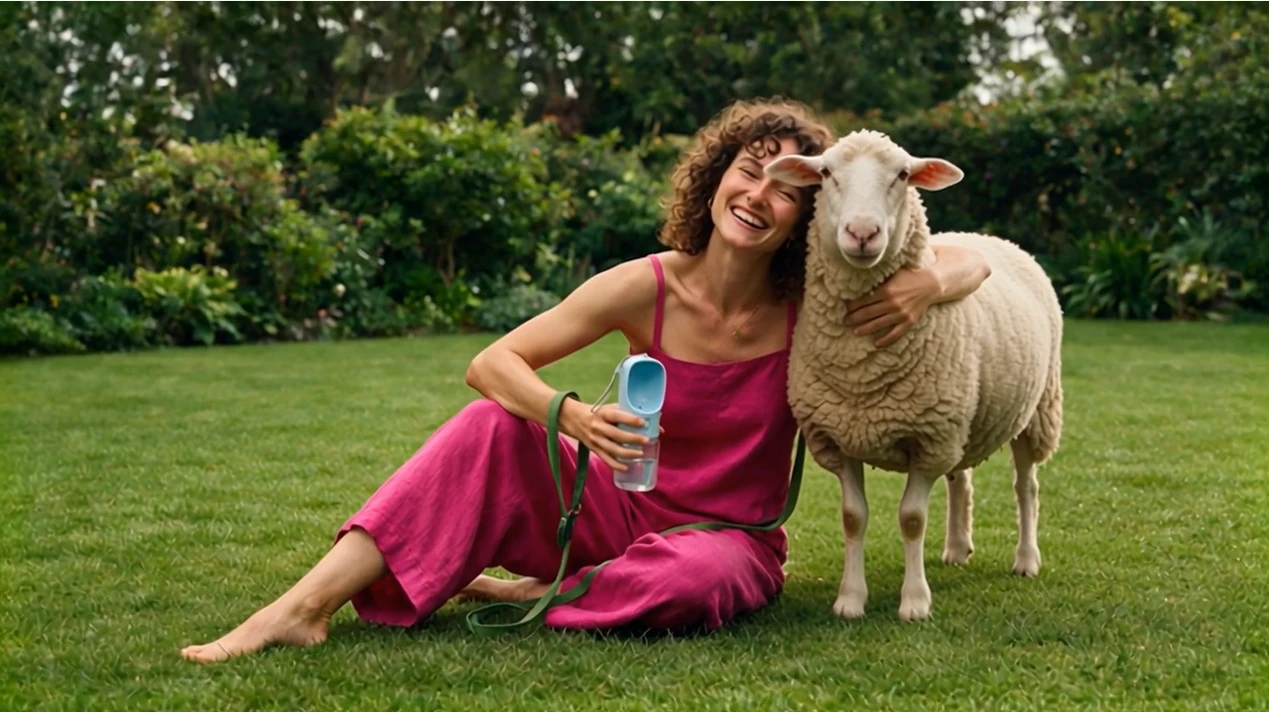
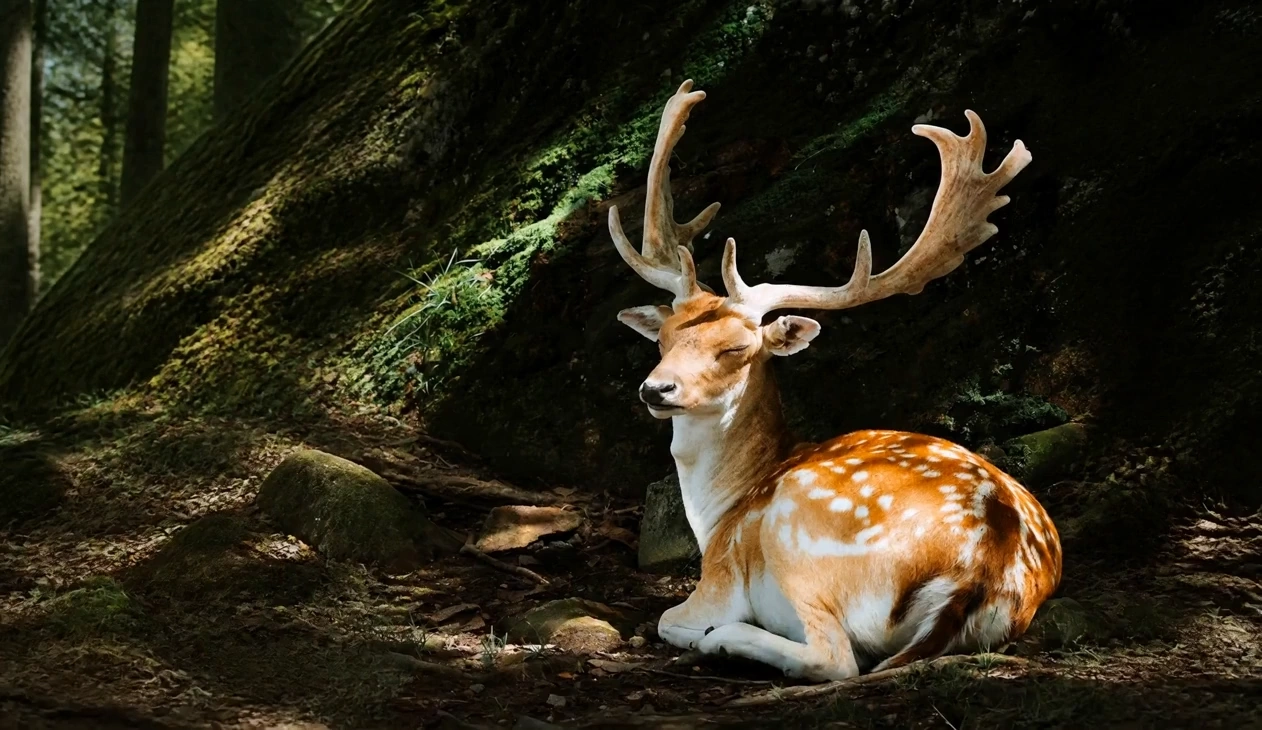
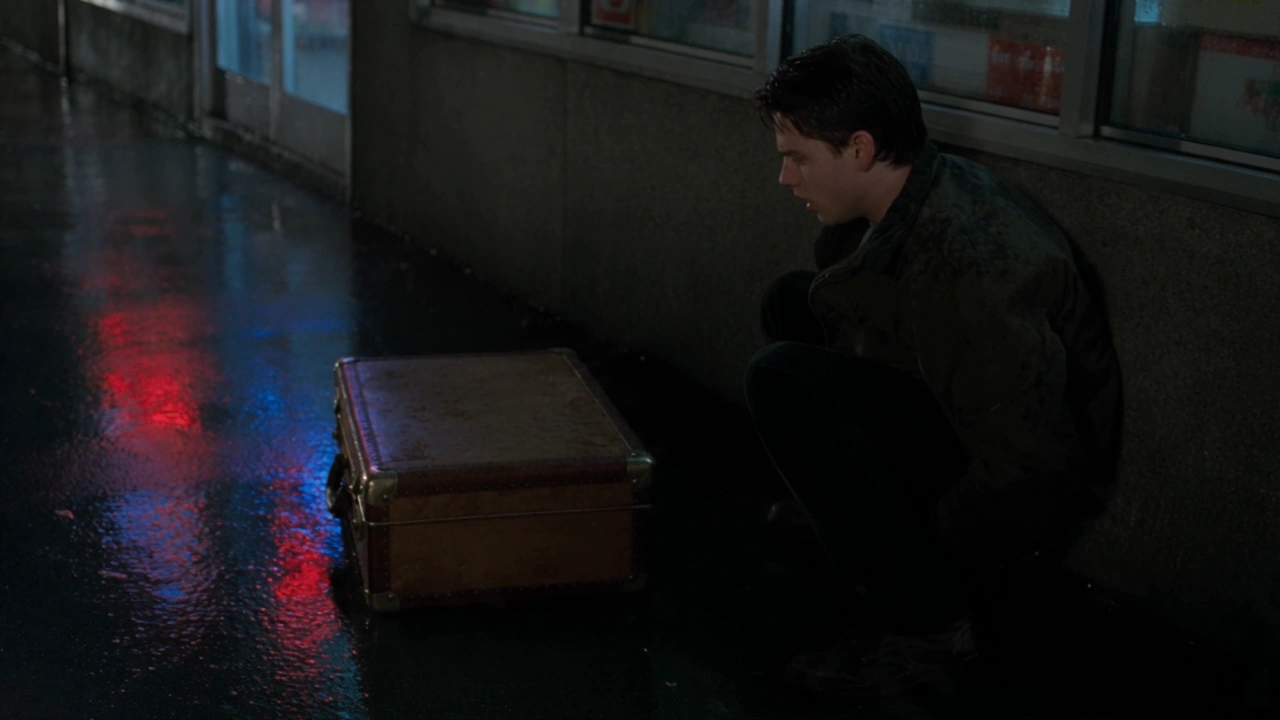

README
HiDream-O1-Image Dev (Edit)
HiDream-O1-Image Dev is the distilled variant of HiDream-O1-Image. The same single native model handles text-to-image, prompt-driven editing, and subject-driven personalization at up to 2K (≈2048×2048) — but tuned for fast, low-step inference so you pay less and wait less per edit. Provide one or more reference images plus an instruction; the model edits while keeping identity, composition, and lighting stable.
Why Choose This?
- Distilled for speed — Fewer denoising steps than the full HiDream-O1-Image, lower latency per edit.
- Lower cost — Half the price of the full model, ideal for batch editing, e-commerce variations, and rapid iteration.
- Identity-preserving edits — Keeps the subject, pose, and overall composition stable while applying the requested change.
- Multi-reference support — Accepts one image for plain editing, or multiple reference images for subject-driven personalization (consistent characters, products, IPs).
- High-resolution output — Up to ~2048×2048 with sharp detail and natural lighting.
- Strong instruction following — Faithfully interprets edit instructions (wardrobe, scene tweaks, object swaps, style changes, on-image text).
- Multiple output formats — JPEG, PNG, or WEBP.
- Reproducibility — Use a fixed
seedto recreate exact results.
Parameters
| Parameter | Required | Description |
|---|---|---|
| prompt | Yes | Text instruction describing the edit you want to make. |
| images | Yes | Reference images for editing or subject-driven personalization. Each entry is a public URL or base64 data URI (PNG, JPEG, JPG, or WebP, up to 50MB, aspect ratio between 1:4 and 4:1). Pass one image for editing, multiple for subject-driven personalization. |
| size | No | Output image size as WIDTH*HEIGHT (default: 2048*2048). The model snaps to the closest supported resolution. |
| output_format | No | Output format: jpeg, png, or webp (default: jpeg). |
| seed | No | Random seed for reproducible generation. |
| enable_sync_mode | No | API only — wait for the result and return it inline. |
| enable_base64_output | No | API only — return the image as a base64 string instead of a URL. |
How to Use
- Upload your reference image(s) — drag and drop or paste publicly accessible URLs. One image for editing, multiple for subject-driven personalization.
- Write your edit instruction — describe both the change and what to keep (e.g., "Change the jacket to black leather. Keep the person, pose, and background unchanged.").
- Choose
size(optional) — keep the source aspect ratio or pick a new one. - Set
output_format— JPEG for compact files, PNG for lossless, WEBP for balance. - Set
seed(optional) — pin a number to reproduce the same edit. - Run — submit the request and download the edited image.
Pricing
Flat rate per edit — half the price of the full HiDream-O1-Image (Edit).
| Output | Cost |
|---|---|
| Per image edit | $0.02 |
Best Use Cases
- Batch e-commerce variations — Multiple colorways or styling options from a hero shot, at scale.
- Subject-driven personalization — Pass several reference images to keep a character / product / IP consistent across new scenes.
- Wardrobe & accessory edits — Swap clothing color/style, add/remove glasses, hats, jewelry.
- Background & scene tweaks — Replace backgrounds or swap props while keeping the subject pixel-stable.
- Object add / remove / replace — Cleanly modify specific elements without disturbing the rest of the scene.
- Style transfer — Apply a new look while preserving the subject's identity.
- Marketing iteration — Quickly produce many creative variants per source image at low cost.
Dev vs. Full — Which to Pick?
| HiDream-O1-Image Dev (Edit) | HiDream-O1-Image (Edit, Full) | |
|---|---|---|
| Speed | Faster (distilled, fewer steps) | Standard |
| Cost / edit | $0.02 | $0.04 |
| Quality ceiling | High | Highest |
| Best for | Batches, drafts, low-cost edits | Final hero edits |
Prompting Guide
For clean results, specify both the change and what to preserve:
Template:
Keep the same person, pose, and background. Change [target edit]. Keep lighting natural and consistent.
Examples:
- "Keep the same person and pose. Change the outfit to a light gray sweater and add gold thin-rimmed glasses. Keep the background and lighting unchanged."
- "Keep identity and composition. Replace the jacket with a black leather jacket; keep realistic fabric texture and natural shadows."
- "Keep the subject unchanged. Remove the object on the table and keep the scene lighting consistent."
- "Keep the person and pose. Change the background to a sunlit beach at golden hour."
For subject-driven personalization, pass several reference images of the same subject (different angles / outfits / lighting) and describe the new scene; the model uses them jointly to keep identity consistent.
Pro Tips
- Always state what should stay the same — it dramatically improves identity preservation.
- For multi-reference personalization, give 3–5 varied shots of the subject for best identity locking.
- Reference elements explicitly: "the text on the shirt", "the background", "the person on the left".
- Pin a
seedwhile iterating so you can compare prompt variants against a fixed baseline. - For multi-step edits, prefer sequential single-purpose prompts over one long compound instruction.
- Use
pngfor lossless edits when output will be re-edited downstream.
Notes
- If using URLs for the source images, ensure they are publicly accessible.
- The
enable_base64_outputandenable_sync_modeoptions are only available through the API. - Higher resolutions may slightly increase processing time.
- Ensure prompts comply with content guidelines.
Related Models
- HiDream-O1-Image Dev · Text-to-Image — Same distilled model, in text-to-image mode.
- HiDream-O1-Image · Edit — The full (non-distilled) edit model for highest fidelity.
- HiDream-O1-Image · Text-to-Image — Full model in text-to-image mode.
Hidream O1 Image Dev Edit API — Quick start
Grab a WaveSpeedAI API key, then call POST https://api.wavespeed.ai/api/v3/wavespeed-ai/hidream-o1-image-dev/edit with your input as JSON. The endpoint returns a prediction id. Start polling the result endpoint around every 2 seconds, increase the interval for long-running tasks, and stop on any terminal status. On completed, read output values from data.outputs. Examples for Hidream O1 Image Dev Edit below.
HTTP example
set -euo pipefail

: "${WAVESPEED_API_KEY:?Set WAVESPEED_API_KEY}"

REQUEST_BODY=$(cat <<'JSON'
{
    "prompt": "A cinematic shot of a city at sunset, soft golden light",
    "images": [
        "https://interactive-examples.mdn.mozilla.net/media/cc0-images/painted-hand-298-332.jpg"
    ],
    "size": "2048*2048",
    "output_format": "jpeg"
}
JSON
)

# 1. Submit the prediction.
SUBMIT_RESPONSE=$(curl --silent --show-error --fail-with-body \
  -X POST "https://api.wavespeed.ai/api/v3/wavespeed-ai/hidream-o1-image-dev/edit" \
  -H "Content-Type: application/json" \
  -H "Authorization: Bearer $WAVESPEED_API_KEY" \
  -d "$REQUEST_BODY")

TASK=$(printf '%s' "$SUBMIT_RESPONSE" | jq 'if has("data") then .data else . end')
PREDICTION_ID=$(printf '%s' "$TASK" | jq -r '.id')
if [ -z "$PREDICTION_ID" ] || [ "$PREDICTION_ID" = "null" ]; then
  printf 'Submission response did not contain a prediction id
' >&2
  exit 1
fi
RESULT_URL=$(printf '%s' "$TASK" | jq -r '.urls.get // empty')
if [ -z "$RESULT_URL" ]; then
  RESULT_URL="https://api.wavespeed.ai/api/v3/predictions/$PREDICTION_ID/result"
fi

# 2. Poll until the prediction finishes.
while true; do
  RESPONSE=$(curl --silent --show-error --fail-with-body "$RESULT_URL" \
    -H "Authorization: Bearer $WAVESPEED_API_KEY")
  RESULT=$(printf '%s' "$RESPONSE" | jq 'if has("data") then .data else . end')
  STATUS=$(printf '%s' "$RESULT" | jq -r '.status')
  case "$STATUS" in
    completed) printf '%s\n' "$RESULT" | jq '.outputs'; break ;;
    failed|cancelled|timeout) printf '%s\n' "$RESULT" | jq . >&2; exit 1 ;;
    created|processing) sleep 2 ;;
    *) printf 'Unexpected status: %s
' "$STATUS" >&2; exit 1 ;;
  esac
done
Node.js example
const submitUrl = "https://api.wavespeed.ai/api/v3/wavespeed-ai/hidream-o1-image-dev/edit";
const apiKey = process.env.WAVESPEED_API_KEY;
if (!apiKey) throw new Error('Set WAVESPEED_API_KEY');

async function requestJson(url, options = {}) {
  const response = await fetch(url, options);
  if (!response.ok) throw new Error(await response.text());
  return response.json();
}

// 1. Submit the prediction.
const body = await requestJson(submitUrl, {
  method: "POST",
  headers: {
    "Authorization": `Bearer ${apiKey}`,
    "Content-Type": "application/json",
  },
  body: JSON.stringify({
        "prompt": "A cinematic shot of a city at sunset, soft golden light",
        "images": [
                "https://interactive-examples.mdn.mozilla.net/media/cc0-images/painted-hand-298-332.jpg"
        ],
        "size": "2048*2048",
        "output_format": "jpeg"
}),
});
const task = body.data ?? body;
if (!task.id) throw new Error("Submission response did not contain a prediction id");
const resultUrl = task.urls?.get ||
  `https://api.wavespeed.ai/api/v3/predictions/${task.id}/result`;

// 2. Poll until the prediction finishes.
while (true) {
  const resultBody = await requestJson(resultUrl, {
    headers: { "Authorization": `Bearer ${apiKey}` },
  });
  const result = resultBody.data ?? resultBody;
  if (result.status === "completed") {
    console.log(result.outputs);
    break;
  }
  if (["failed", "cancelled", "timeout"].includes(result.status)) throw new Error(JSON.stringify(result));
  if (!["created", "processing"].includes(result.status)) throw new Error("Unexpected status: " + result.status);
  await new Promise(resolve => setTimeout(resolve, 2000));
}
Python example
import json
import os
import time
from urllib.request import Request, urlopen

api_key = os.environ["WAVESPEED_API_KEY"]
headers = {"Authorization": f"Bearer {api_key}", "Content-Type": "application/json"}
payload = {
    "prompt": "A cinematic shot of a city at sunset, soft golden light",
    "images": [
        "https://interactive-examples.mdn.mozilla.net/media/cc0-images/painted-hand-298-332.jpg"
    ],
    "size": "2048*2048",
    "output_format": "jpeg"
}

def request_json(url, data=None):
    request = Request(url, data=data, headers=headers, method="POST" if data else "GET")
    with urlopen(request) as response:
        return json.load(response)

# 1. Submit the prediction.
body = request_json("https://api.wavespeed.ai/api/v3/wavespeed-ai/hidream-o1-image-dev/edit", json.dumps(payload).encode())
task = body.get("data", body)
if not task.get("id"):
    raise RuntimeError("Submission response did not contain a prediction id")
result_url = task.get("urls", {}).get("get") or f"https://api.wavespeed.ai/api/v3/predictions/{task['id']}/result"

# 2. Poll until the prediction finishes.
while True:
    result_body = request_json(result_url)
    result = result_body.get("data", result_body)
    status = result.get("status")
    if status == "completed":
        print(result.get("outputs", []))
        break
    if status in {"failed", "cancelled", "timeout"}:
        raise RuntimeError(result)
    if status not in {"created", "processing"}:
        raise RuntimeError(f"Unexpected status: {status}")
    time.sleep(2)
Hidream O1 Image Dev Edit API — Frequently asked questions
What is the Hidream O1 Image Dev Edit API?
Hidream O1 Image Dev Edit is a WaveSpeedAI model for image editing, exposed as a REST API on WaveSpeedAI. HiDream-O1-Image Dev (Edit) is the distilled, fast-inference variant of HiDream-O1-Image in edit mode — accepts a source image plus an instruction (and optional extra references for subject-driven personalization) at up to 2K resolution, at half the price of the full model. Ready-to-use REST inference API, best performance, no coldstarts, affordable pricing. You can call it programmatically or try it from the playground above.
How do I call the Hidream O1 Image Dev Edit API?
POST your input parameters to the model's REST endpoint (shown in the API tab of this playground) with your WaveSpeedAI API key in the Authorization header. Submission returns a prediction ID. Poll the result endpoint starting around every 2 seconds, increase the interval for long-running tasks, and stop on any terminal status. The playground generates production-oriented Python, JavaScript, and cURL examples with timeouts, transient-error handling, and safe GET retries. Full request/response shape is documented at https://wavespeed.ai/docs/docs-api/wavespeed-ai/hidream-o1-image-dev-edit.
How much does Hidream O1 Image Dev Edit cost per run?
Hidream O1 Image Dev Edit starts at $0.020 per run. That figure is the base price — the final charge scales with the parameters you set in the form (output size, length, count, references, or whatever knobs this model exposes), so a higher-quality or larger output costs more than a minimal one. The exact cost for your current input is shown live next to the Generate button before you submit, and the actual per-call charge is recorded on the prediction afterwards.
What inputs does Hidream O1 Image Dev Edit accept?
Key inputs: `prompt`, `images`, `size`, `enable_base64_output`, `enable_sync_mode`, `output_format`. The full JSON schema (types, defaults, allowed values) is rendered above the Generate button and mirrored in the API reference at https://wavespeed.ai/docs/docs-api/wavespeed-ai/hidream-o1-image-dev-edit.
How long does Hidream O1 Image Dev Edit take to generate?
Median end-to-end generation time on WaveSpeedAI is around 23 seconds per request, based on recent successful runs. Queue time varies with global demand; live status is visible in the prediction record.
Can I use Hidream O1 Image Dev Edit outputs commercially?
Commercial usage rights depend on the model's license, set by its provider (WaveSpeedAI). The license summary appears on the model card above; see WaveSpeedAI's Terms of Service for platform-level conditions.