Wan 2.1 V2V converts source videos into AI 720p outputs for scalable video-to-video production and unlimited video generation. Ready-to-use REST inference API, best performance, no coldstarts, affordable pricing.
Bereit
$0.3pro Durchlauf·~33 / $10
BeispieleAlle anzeigen
In the heart of a bustling city square, a girl is dancing. The sun is setting, casting a warm golden hue over the cobblestone streets. Streetlights are beginning to flicker on, their soft glow mingling with the last rays of daylight. A gentle breeze carries the scent of freshly baked bread from a nearby bakery, mixing with the faint aroma of blooming flowers from the park across the way. The sounds of laughter and conversation fill the air, punctuated by the occasional honk of a distant car. The girl, with her hair flowing freely and a radiant smile on her face, moves gracefully to the rhythm of an invisible melody, her joyous spirit lifting the mood of everyone around her.
Ähnliche Modelle


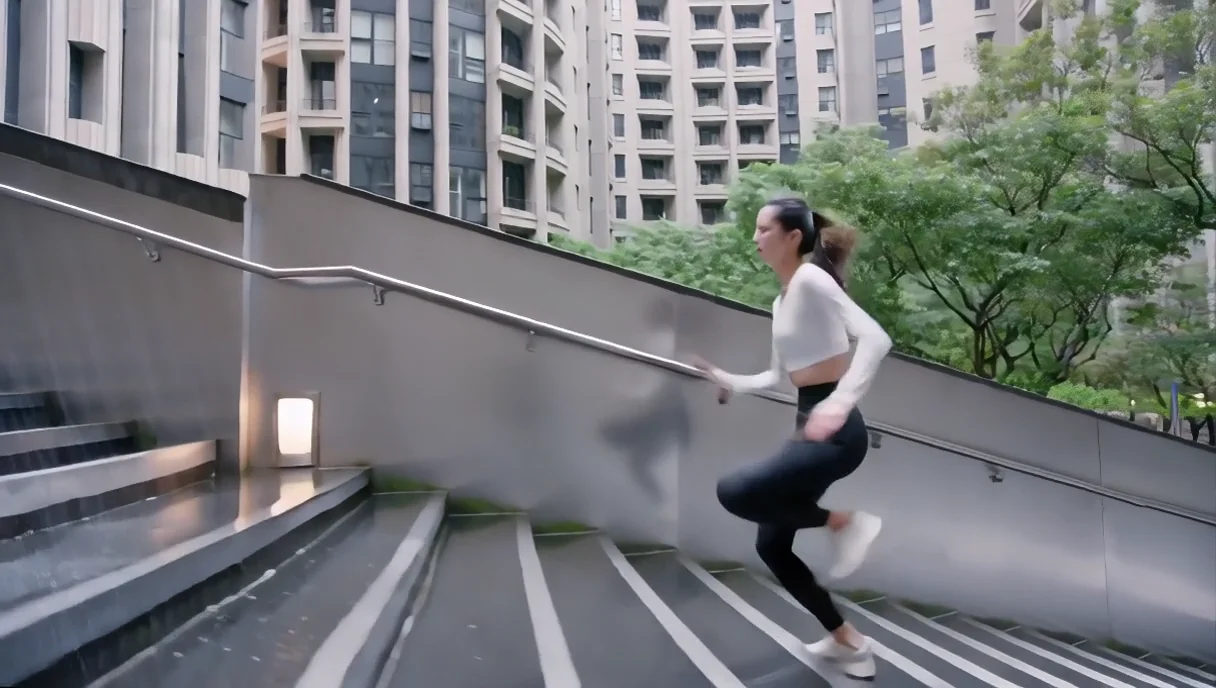
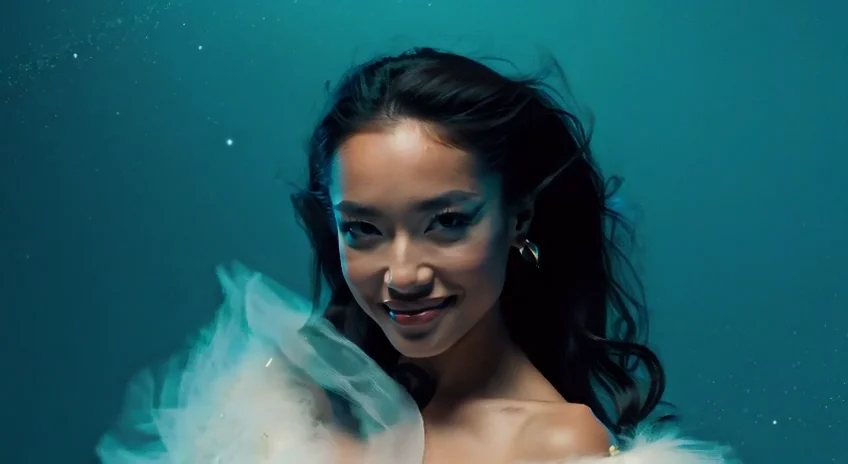


README
Wan 2.1 V2V 720p — wavespeed-ai/wan-2.1/v2v-720p
Wan 2.1 V2V 720p is a video-to-video model for prompt-guided transformations while preserving the original motion and timing of an input clip. Upload a source video, describe the desired changes (style, lighting, atmosphere, details), and tune strength to control how closely the output follows the original footage. It’s a solid default choice when you want higher clarity than 480p and don’t need LoRA.
Key capabilities
- Video-to-video transformation anchored to an input video (720p output)
- Preserves motion continuity and pacing from the original clip
- Prompt-guided edits for style, lighting, mood, and scene details
- Strength control to balance “keep original” vs. “transform”
- Motion behavior tuning via flow_shift
Use cases
- Restyle a video while keeping original motion (cinematic, dreamy, stylized looks)
- Improve mood/lighting (sunset grade, neon night, warm indoor) without changing timing
- Brand-safe refresh: keep composition, update colors/textures/details
- Social and marketing variations from the same base footage
- Quick iteration: change prompts and seeds to generate multiple creative takes
Pricing
| Duration | Price per video |
|---|---|
| 5s | $0.30 |
| 10s | $0.45 |
Inputs
- video (required): source video to transform
- prompt (required): what to change and how the result should look
- negative_prompt (optional): what to avoid (artifacts, jitter, unwanted elements)
Parameters
- num_inference_steps: sampling steps
- duration: output duration (seconds)
- strength: how strongly to transform the input video (lower = preserve more; higher = change more)
- guidance_scale: prompt adherence strength
- flow_shift: motion/flow behavior tuning
- seed: random seed (-1 for random; fixed for reproducible results)
Prompting guide (V2V)
Write prompts that explicitly separate preservation from transformation:
Template: Keep the original motion and timing. Change [style/lighting/environment/details]. Keep faces stable and natural. Avoid flicker, warping, and jitter.
Example prompts
- Keep the original dance motion and camera timing. Apply a warm golden-hour cinematic color grade, soft bloom from streetlights, subtle film grain, and realistic shadows.
- Preserve motion and composition. Restyle the scene into a clean illustrated look with stable edges and no flicker.
- Keep the same choreography and timing. Add light rain, wet pavement reflections, and moody neon lighting while maintaining natural skin tones.
Wan 2.1 v2v 720p API — Quick start
Grab a WaveSpeedAI API key, then call POST https://api.wavespeed.ai/api/v3/wavespeed-ai/wan-2.1/v2v-720p with your input as JSON. The endpoint returns a prediction id. Start polling the result endpoint around every 2 seconds, increase the interval for long-running tasks, and stop on any terminal status. On completed, read output values from data.outputs. Examples for Wan 2.1 v2v 720p below.
HTTP example
set -euo pipefail

: "${WAVESPEED_API_KEY:?Set WAVESPEED_API_KEY}"

REQUEST_BODY=$(cat <<'JSON'
{
    "prompt": "A cinematic shot of a city at sunset, soft golden light",
    "video": "https://interactive-examples.mdn.mozilla.net/media/cc0-videos/flower.mp4",
    "num_inference_steps": 30,
    "duration": 5,
    "strength": 0.9,
    "guidance_scale": 5,
    "flow_shift": 3,
    "seed": -1
}
JSON
)

# 1. Submit the prediction.
SUBMIT_RESPONSE=$(curl --silent --show-error --fail-with-body \
  -X POST "https://api.wavespeed.ai/api/v3/wavespeed-ai/wan-2.1/v2v-720p" \
  -H "Content-Type: application/json" \
  -H "Authorization: Bearer $WAVESPEED_API_KEY" \
  -d "$REQUEST_BODY")

TASK=$(printf '%s' "$SUBMIT_RESPONSE" | jq 'if has("data") then .data else . end')
PREDICTION_ID=$(printf '%s' "$TASK" | jq -r '.id')
if [ -z "$PREDICTION_ID" ] || [ "$PREDICTION_ID" = "null" ]; then
  printf 'Submission response did not contain a prediction id
' >&2
  exit 1
fi
RESULT_URL=$(printf '%s' "$TASK" | jq -r '.urls.get // empty')
if [ -z "$RESULT_URL" ]; then
  RESULT_URL="https://api.wavespeed.ai/api/v3/predictions/$PREDICTION_ID/result"
fi

# 2. Poll until the prediction finishes.
while true; do
  RESPONSE=$(curl --silent --show-error --fail-with-body "$RESULT_URL" \
    -H "Authorization: Bearer $WAVESPEED_API_KEY")
  RESULT=$(printf '%s' "$RESPONSE" | jq 'if has("data") then .data else . end')
  STATUS=$(printf '%s' "$RESULT" | jq -r '.status')
  case "$STATUS" in
    completed) printf '%s\n' "$RESULT" | jq '.outputs'; break ;;
    failed|cancelled|timeout) printf '%s\n' "$RESULT" | jq . >&2; exit 1 ;;
    created|processing) sleep 2 ;;
    *) printf 'Unexpected status: %s
' "$STATUS" >&2; exit 1 ;;
  esac
done
Node.js example
const submitUrl = "https://api.wavespeed.ai/api/v3/wavespeed-ai/wan-2.1/v2v-720p";
const apiKey = process.env.WAVESPEED_API_KEY;
if (!apiKey) throw new Error('Set WAVESPEED_API_KEY');

async function requestJson(url, options = {}) {
  const response = await fetch(url, options);
  if (!response.ok) throw new Error(await response.text());
  return response.json();
}

// 1. Submit the prediction.
const body = await requestJson(submitUrl, {
  method: "POST",
  headers: {
    "Authorization": `Bearer ${apiKey}`,
    "Content-Type": "application/json",
  },
  body: JSON.stringify({
        "prompt": "A cinematic shot of a city at sunset, soft golden light",
        "video": "https://interactive-examples.mdn.mozilla.net/media/cc0-videos/flower.mp4",
        "num_inference_steps": 30,
        "duration": 5,
        "strength": 0.9,
        "guidance_scale": 5,
        "flow_shift": 3,
        "seed": -1
}),
});
const task = body.data ?? body;
if (!task.id) throw new Error("Submission response did not contain a prediction id");
const resultUrl = task.urls?.get ||
  `https://api.wavespeed.ai/api/v3/predictions/${task.id}/result`;

// 2. Poll until the prediction finishes.
while (true) {
  const resultBody = await requestJson(resultUrl, {
    headers: { "Authorization": `Bearer ${apiKey}` },
  });
  const result = resultBody.data ?? resultBody;
  if (result.status === "completed") {
    console.log(result.outputs);
    break;
  }
  if (["failed", "cancelled", "timeout"].includes(result.status)) throw new Error(JSON.stringify(result));
  if (!["created", "processing"].includes(result.status)) throw new Error("Unexpected status: " + result.status);
  await new Promise(resolve => setTimeout(resolve, 2000));
}
Python example
import json
import os
import time
from urllib.request import Request, urlopen

api_key = os.environ["WAVESPEED_API_KEY"]
headers = {"Authorization": f"Bearer {api_key}", "Content-Type": "application/json"}
payload = {
    "prompt": "A cinematic shot of a city at sunset, soft golden light",
    "video": "https://interactive-examples.mdn.mozilla.net/media/cc0-videos/flower.mp4",
    "num_inference_steps": 30,
    "duration": 5,
    "strength": 0.9,
    "guidance_scale": 5,
    "flow_shift": 3,
    "seed": -1
}

def request_json(url, data=None):
    request = Request(url, data=data, headers=headers, method="POST" if data else "GET")
    with urlopen(request) as response:
        return json.load(response)

# 1. Submit the prediction.
body = request_json("https://api.wavespeed.ai/api/v3/wavespeed-ai/wan-2.1/v2v-720p", json.dumps(payload).encode())
task = body.get("data", body)
if not task.get("id"):
    raise RuntimeError("Submission response did not contain a prediction id")
result_url = task.get("urls", {}).get("get") or f"https://api.wavespeed.ai/api/v3/predictions/{task['id']}/result"

# 2. Poll until the prediction finishes.
while True:
    result_body = request_json(result_url)
    result = result_body.get("data", result_body)
    status = result.get("status")
    if status == "completed":
        print(result.get("outputs", []))
        break
    if status in {"failed", "cancelled", "timeout"}:
        raise RuntimeError(result)
    if status not in {"created", "processing"}:
        raise RuntimeError(f"Unexpected status: {status}")
    time.sleep(2)
Wan 2.1 v2v 720p API — Frequently asked questions
What is the Wan 2.1 v2v 720p API?
Wan 2.1 v2v 720p is a WaveSpeedAI model for video editing, exposed as a REST API on WaveSpeedAI. Wan 2.1 V2V converts source videos into AI 720p outputs for scalable video-to-video production and unlimited video generation. Ready-to-use REST inference API, best performance, no coldstarts, affordable pricing. You can call it programmatically or try it from the playground above.
How do I call the Wan 2.1 v2v 720p API?
POST your input parameters to the model's REST endpoint (shown in the API tab of this playground) with your WaveSpeedAI API key in the Authorization header. Submission returns a prediction ID. Poll the result endpoint starting around every 2 seconds, increase the interval for long-running tasks, and stop on any terminal status. The playground generates production-oriented Python, JavaScript, and cURL examples with timeouts, transient-error handling, and safe GET retries. Full request/response shape is documented at https://wavespeed.ai/docs/docs-api/wavespeed-ai/wan-2.1-v2v-720p.
How much does Wan 2.1 v2v 720p cost per run?
Wan 2.1 v2v 720p starts at $0.30 per run. That figure is the base price — the final charge scales with the parameters you set in the form (output size, length, count, references, or whatever knobs this model exposes), so a higher-quality or larger output costs more than a minimal one. The exact cost for your current input is shown live next to the Generate button before you submit, and the actual per-call charge is recorded on the prediction afterwards.
What inputs does Wan 2.1 v2v 720p accept?
Key inputs: `prompt`, `video`, `duration`, `seed`, `guidance_scale`, `num_inference_steps`. The full JSON schema (types, defaults, allowed values) is rendered above the Generate button and mirrored in the API reference at https://wavespeed.ai/docs/docs-api/wavespeed-ai/wan-2.1-v2v-720p.
How long does Wan 2.1 v2v 720p take to generate?
Median end-to-end generation time on WaveSpeedAI is around 144 seconds per request, based on recent successful runs. Queue time varies with global demand; live status is visible in the prediction record.
Can I use Wan 2.1 v2v 720p outputs commercially?
Commercial usage rights depend on the model's license, set by its provider (WaveSpeedAI). The license summary appears on the model card above; see WaveSpeedAI's Terms of Service for platform-level conditions.