PixVerse C1 generates film-grade videos from text prompts with flexible duration (1-15s), multiple resolutions up to 1080p, and optional native audio generation. Ready-to-use REST inference API, best performance, no cold starts, affordable pricing.
Bereit
$0.1pro Durchlauf·~10 / $1
BeispieleAlle anzeigen
A charismatic street magician in a worn velvet coat performs on a rainy Paris sidewalk at dusk. A small crowd watches as he produces a glowing golden coin from thin air. A skeptical little girl pushes to the front, arms crossed. He crouches to her level, winks, then reaches behind her ear — pulling out not a coin, but a tiny living butterfly. The girl's expression melts from suspicion into pure awe. Shallow depth of field, warm bokeh lights, slow-motion butterfly release, cinematic.
A WWII soldier sits alone in a crumbling stone bunker lit by a single candle, writing a letter. Outside, distant explosions silently flash through the narrow window. He pauses, stares at a small photograph of a woman and child, then closes his eyes. A single tear runs down his dust-covered cheek. He folds the letter carefully and tucks it into his breast pocket, over his heart. Slow push-in camera, desaturated warm tones, cinematic.
A young woman in a soaked trench coat sprints through a rain-drenched neon-lit alley in Tokyo, glancing back in terror. Reflections of red and blue signage ripple across the puddles beneath her feet. A shadowy figure in a hood rounds the corner behind her. She skids to a stop at a dead end, turns, and pulls a small glowing device from her pocket — her expression shifting from fear to cold determination. Cinematic handheld camera, motion blur, dramatic shadows, 4K.
Ähnliche Modelle

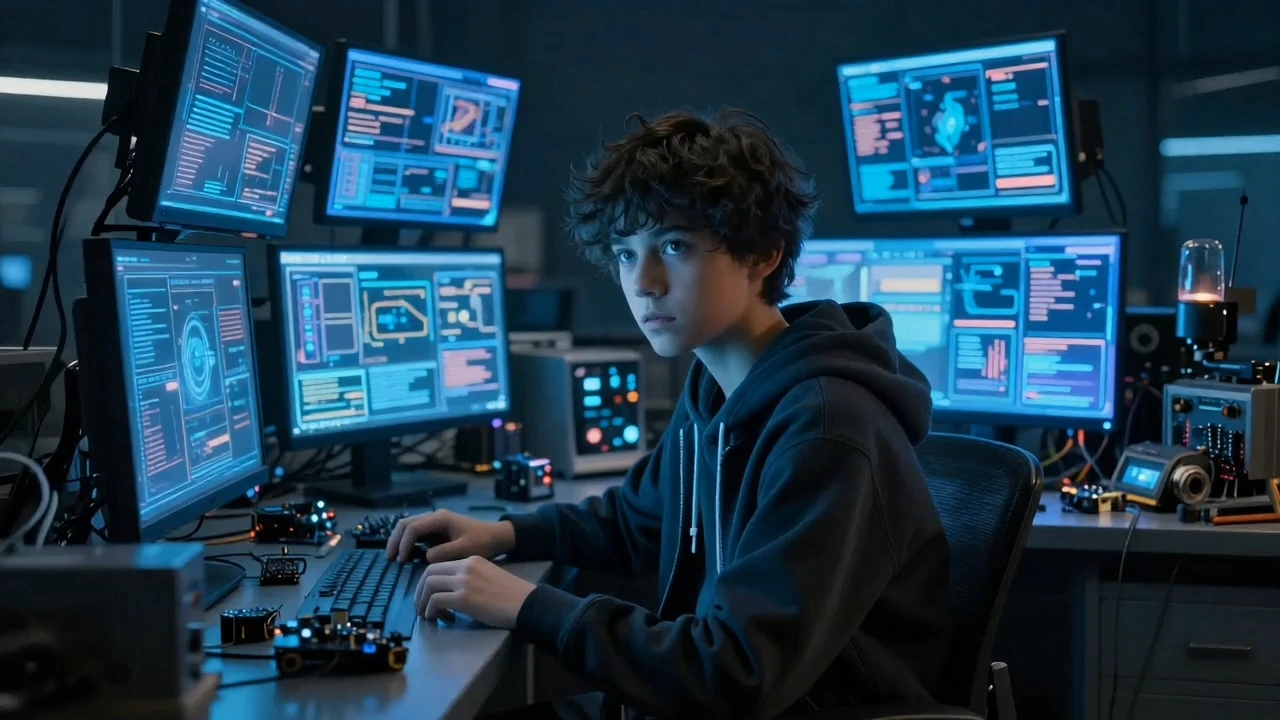
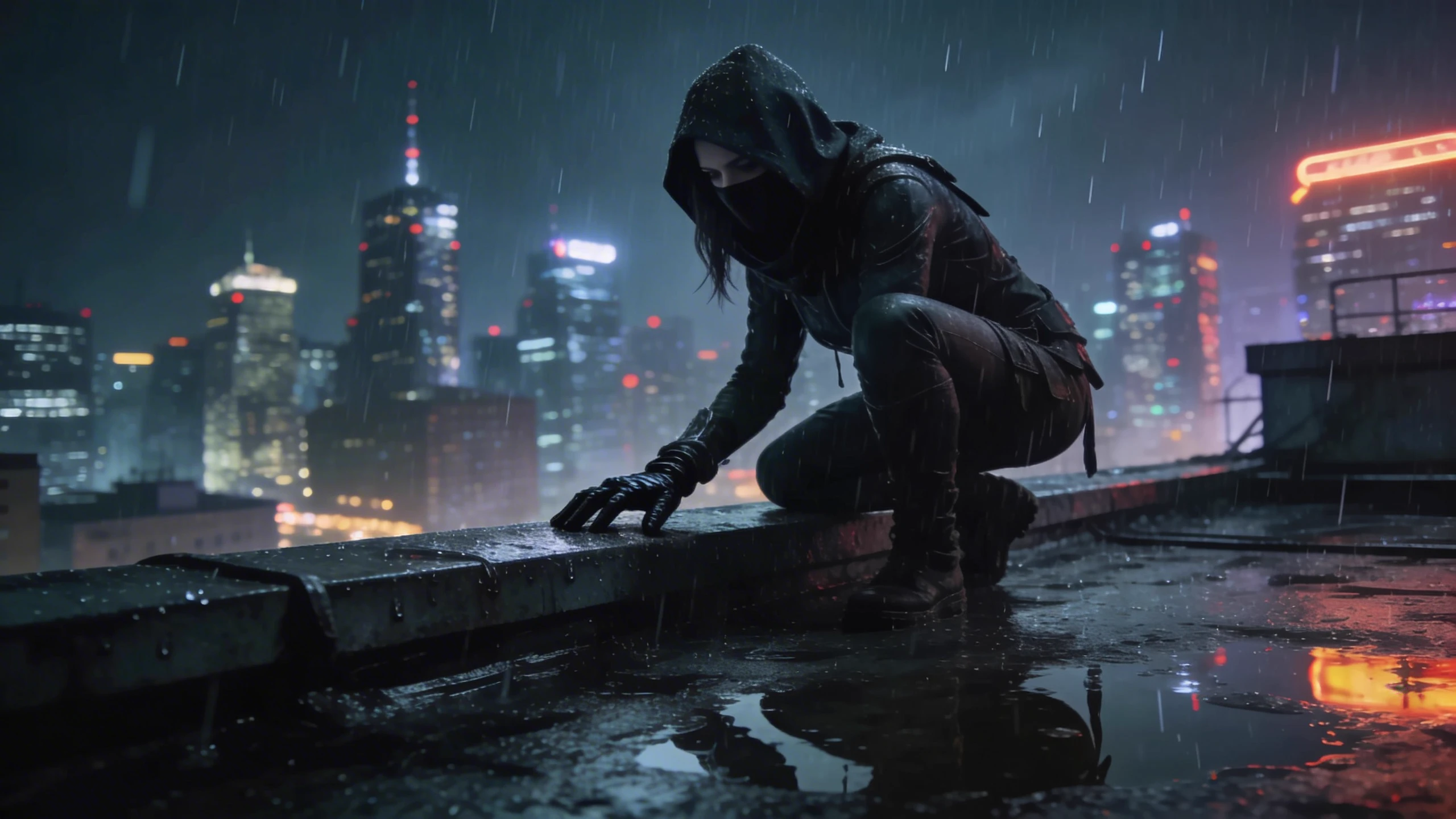

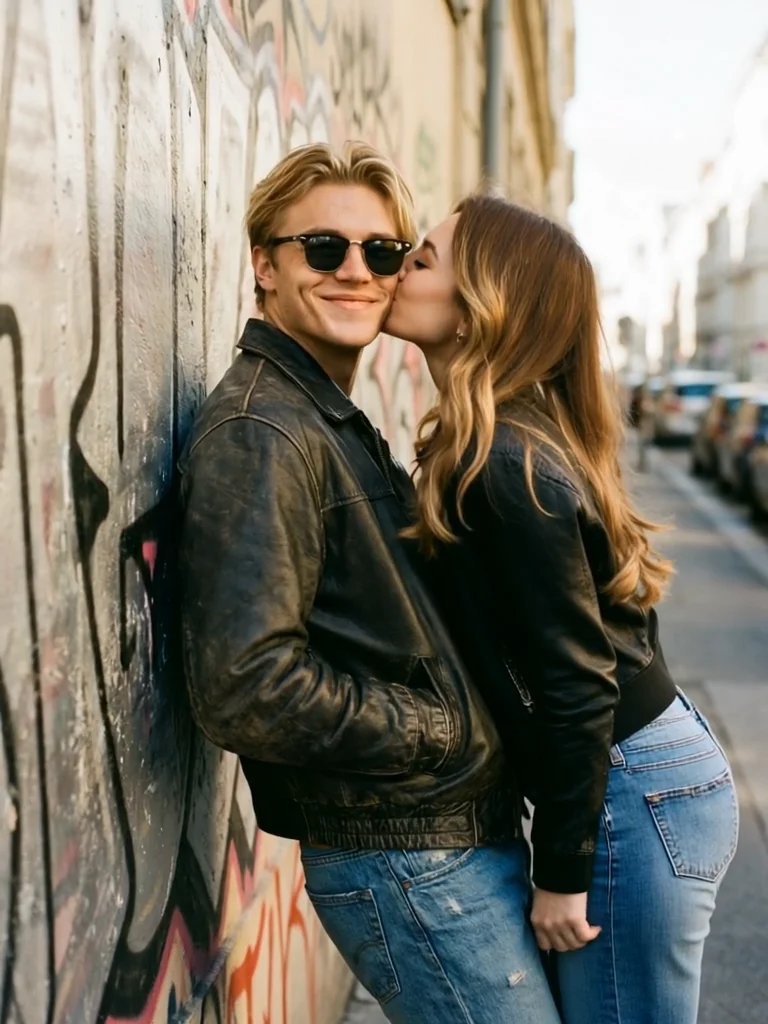
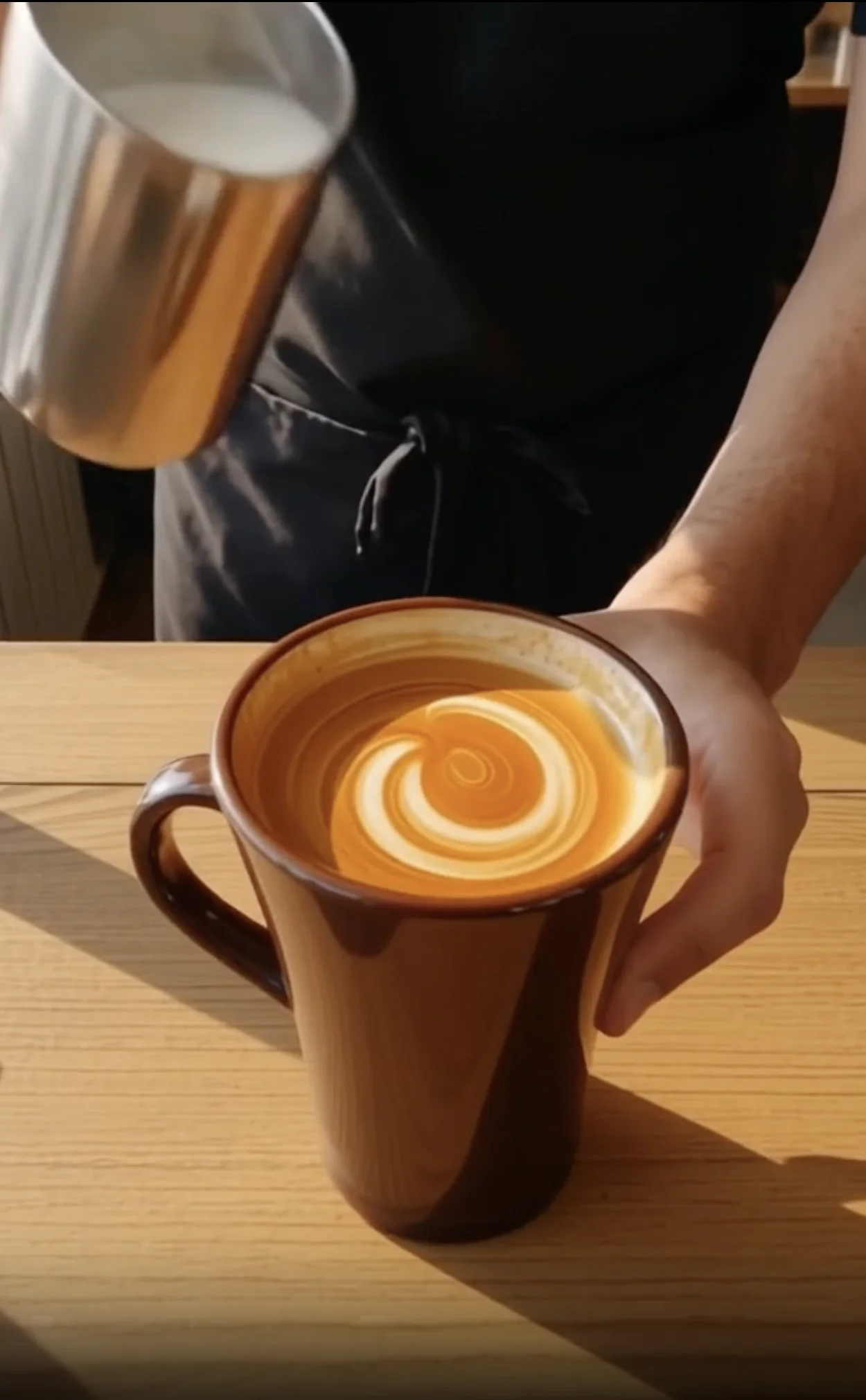
README
PixVerse C1 Text-to-Video
PixVerse C1 is PixVerse's latest text-to-video model, generating high-quality cinematic video from natural language prompts. With four resolution tiers, eight aspect ratio options, optional native audio generation, and clips up to 15 seconds, it covers a wide range of creative and production workflows.
- Need to animate an image? Try PixVerse C1 Image-to-Video
Why Choose This?
-
High-quality video generation Produces detailed, visually coherent video with accurate motion, lighting, and scene composition from text descriptions.
-
Four resolution tiers Generate from 360p up to 1080p — balance quality and cost based on your delivery needs.
-
Eight aspect ratio options Supports 16:9, 9:16, 1:1, 4:3, 3:4, 3:2, 2:3, and 21:9 for any platform or format.
-
Optional native audio generation Enable generate_audio_switch to produce synchronized ambient sound alongside the video.
-
Extended duration Generate clips from 1 to 15 seconds for maximum creative flexibility.
Parameters
| Parameter | Required | Description |
|---|---|---|
| prompt | Yes | Text description of the scene, motion, camera style, and atmosphere. |
| aspect_ratio | No | Output aspect ratio. Options: 16:9 (default), 4:3, 1:1, 3:4, 9:16, 2:3, 3:2, 21:9. |
| resolution | No | Output resolution: 360p, 540p, 720p (default), or 1080p. |
| duration | No | Clip length in seconds. Range: 1–15. Default: 5. |
| generate_audio_switch | No | Whether to generate native audio for the video. Default: off. |
How to Use
- Write your prompt — describe the scene, characters, camera movement, lighting, and atmosphere.
- Select aspect ratio — choose the format that fits your target platform.
- Select resolution — 360p for fastest/lowest cost, 720p for standard, 1080p for highest quality.
- Set duration — choose between 1 and 15 seconds.
- Enable audio (optional) — check generate_audio_switch to generate synchronized native audio.
- Submit — generate, preview, and download your video.
Pricing
| Resolution | Without Audio | With Audio |
|---|---|---|
| 360p | $0.030/s | $0.040/s |
| 540p | $0.040/s | $0.050/s |
| 720p | $0.050/s | $0.065/s |
| 1080p | $0.095/s | $0.120/s |
Billing Rules
- Billing is calculated per second of video generated
- Duration range: 1–15 seconds
- Examples: 10s at 720p (no audio) = $0.50 — 10s at 1080p (no audio) = $0.95
Best Use Cases
- Cinematic Storytelling — Render atmospheric, narrative-driven scenes from detailed text descriptions.
- Social Media Content — Generate platform-optimized clips across multiple aspect ratios with optional audio.
- Marketing & Advertising — Produce promotional video content quickly without a film crew.
- Concept Visualization — Bring creative ideas and moods to life quickly for pitching and review.
- Rapid Prototyping — Use lower resolutions to iterate on prompt directions before a final render.
Pro Tips
- Be specific in your prompt — include camera angle, lighting style, subject behavior, and atmosphere.
- Use 360p or 540p to rapidly test and iterate on prompts before committing to a 1080p final render.
- Enable audio for scenes with strong environmental elements like crowds, nature, or action.
- Match aspect ratio to your platform: 16:9 for YouTube and cinematic content, 9:16 for Reels and Shorts, 1:1 for feeds.
Notes
- Only prompt is required; all other parameters are optional.
- Please follow PixVerse's content usage policies when crafting prompts.
Related Models
- PixVerse C1 Image-to-Video — Animate a reference image into a cinematic video clip.
- PixVerse V6 Text-to-Video — Previous generation PixVerse text-to-video model.
Pixverse C1 Text To Video API — Quick start
Grab a WaveSpeedAI API key, then call POST https://api.wavespeed.ai/api/v3/pixverse/pixverse-c1/text-to-video with your input as JSON. The endpoint returns a prediction id. Start polling the result endpoint around every 2 seconds, increase the interval for long-running tasks, and stop on any terminal status. On completed, read output values from data.outputs. Examples for Pixverse C1 Text To Video below.
HTTP example
set -euo pipefail

: "${WAVESPEED_API_KEY:?Set WAVESPEED_API_KEY}"

REQUEST_BODY=$(cat <<'JSON'
{
    "prompt": "A cinematic shot of a city at sunset, soft golden light",
    "aspect_ratio": "16:9",
    "resolution": "720p",
    "duration": 5,
    "generate_audio_switch": false
}
JSON
)

# 1. Submit the prediction.
SUBMIT_RESPONSE=$(curl --silent --show-error --fail-with-body \
  -X POST "https://api.wavespeed.ai/api/v3/pixverse/pixverse-c1/text-to-video" \
  -H "Content-Type: application/json" \
  -H "Authorization: Bearer $WAVESPEED_API_KEY" \
  -d "$REQUEST_BODY")

TASK=$(printf '%s' "$SUBMIT_RESPONSE" | jq 'if has("data") then .data else . end')
PREDICTION_ID=$(printf '%s' "$TASK" | jq -r '.id')
if [ -z "$PREDICTION_ID" ] || [ "$PREDICTION_ID" = "null" ]; then
  printf 'Submission response did not contain a prediction id
' >&2
  exit 1
fi
RESULT_URL=$(printf '%s' "$TASK" | jq -r '.urls.get // empty')
if [ -z "$RESULT_URL" ]; then
  RESULT_URL="https://api.wavespeed.ai/api/v3/predictions/$PREDICTION_ID/result"
fi

# 2. Poll until the prediction finishes.
while true; do
  RESPONSE=$(curl --silent --show-error --fail-with-body "$RESULT_URL" \
    -H "Authorization: Bearer $WAVESPEED_API_KEY")
  RESULT=$(printf '%s' "$RESPONSE" | jq 'if has("data") then .data else . end')
  STATUS=$(printf '%s' "$RESULT" | jq -r '.status')
  case "$STATUS" in
    completed) printf '%s\n' "$RESULT" | jq '.outputs'; break ;;
    failed|cancelled|timeout) printf '%s\n' "$RESULT" | jq . >&2; exit 1 ;;
    created|processing) sleep 2 ;;
    *) printf 'Unexpected status: %s
' "$STATUS" >&2; exit 1 ;;
  esac
done
Node.js example
const submitUrl = "https://api.wavespeed.ai/api/v3/pixverse/pixverse-c1/text-to-video";
const apiKey = process.env.WAVESPEED_API_KEY;
if (!apiKey) throw new Error('Set WAVESPEED_API_KEY');

async function requestJson(url, options = {}) {
  const response = await fetch(url, options);
  if (!response.ok) throw new Error(await response.text());
  return response.json();
}

// 1. Submit the prediction.
const body = await requestJson(submitUrl, {
  method: "POST",
  headers: {
    "Authorization": `Bearer ${apiKey}`,
    "Content-Type": "application/json",
  },
  body: JSON.stringify({
        "prompt": "A cinematic shot of a city at sunset, soft golden light",
        "aspect_ratio": "16:9",
        "resolution": "720p",
        "duration": 5,
        "generate_audio_switch": false
}),
});
const task = body.data ?? body;
if (!task.id) throw new Error("Submission response did not contain a prediction id");
const resultUrl = task.urls?.get ||
  `https://api.wavespeed.ai/api/v3/predictions/${task.id}/result`;

// 2. Poll until the prediction finishes.
while (true) {
  const resultBody = await requestJson(resultUrl, {
    headers: { "Authorization": `Bearer ${apiKey}` },
  });
  const result = resultBody.data ?? resultBody;
  if (result.status === "completed") {
    console.log(result.outputs);
    break;
  }
  if (["failed", "cancelled", "timeout"].includes(result.status)) throw new Error(JSON.stringify(result));
  if (!["created", "processing"].includes(result.status)) throw new Error("Unexpected status: " + result.status);
  await new Promise(resolve => setTimeout(resolve, 2000));
}
Python example
import json
import os
import time
from urllib.request import Request, urlopen

api_key = os.environ["WAVESPEED_API_KEY"]
headers = {"Authorization": f"Bearer {api_key}", "Content-Type": "application/json"}
payload = {
    "prompt": "A cinematic shot of a city at sunset, soft golden light",
    "aspect_ratio": "16:9",
    "resolution": "720p",
    "duration": 5,
    "generate_audio_switch": False
}

def request_json(url, data=None):
    request = Request(url, data=data, headers=headers, method="POST" if data else "GET")
    with urlopen(request) as response:
        return json.load(response)

# 1. Submit the prediction.
body = request_json("https://api.wavespeed.ai/api/v3/pixverse/pixverse-c1/text-to-video", json.dumps(payload).encode())
task = body.get("data", body)
if not task.get("id"):
    raise RuntimeError("Submission response did not contain a prediction id")
result_url = task.get("urls", {}).get("get") or f"https://api.wavespeed.ai/api/v3/predictions/{task['id']}/result"

# 2. Poll until the prediction finishes.
while True:
    result_body = request_json(result_url)
    result = result_body.get("data", result_body)
    status = result.get("status")
    if status == "completed":
        print(result.get("outputs", []))
        break
    if status in {"failed", "cancelled", "timeout"}:
        raise RuntimeError(result)
    if status not in {"created", "processing"}:
        raise RuntimeError(f"Unexpected status: {status}")
    time.sleep(2)
Pixverse C1 Text To Video API — Frequently asked questions
What is the Pixverse C1 Text To Video API?
Pixverse C1 Text To Video is a Pixverse model for video generation, exposed as a REST API on WaveSpeedAI. PixVerse C1 generates film-grade videos from text prompts with flexible duration (1-15s), multiple resolutions up to 1080p, and optional native audio generation. Ready-to-use REST inference API, best performance, no cold starts, affordable pricing. You can call it programmatically or try it from the playground above.
How do I call the Pixverse C1 Text To Video API?
POST your input parameters to the model's REST endpoint (shown in the API tab of this playground) with your WaveSpeedAI API key in the Authorization header. Submission returns a prediction ID. Poll the result endpoint starting around every 2 seconds, increase the interval for long-running tasks, and stop on any terminal status. The playground generates production-oriented Python, JavaScript, and cURL examples with timeouts, transient-error handling, and safe GET retries. Full request/response shape is documented at https://wavespeed.ai/docs/docs-api/pixverse/pixverse-pixverse-c1-text-to-video.
How much does Pixverse C1 Text To Video cost per run?
Pixverse C1 Text To Video starts at $0.10 per run. That figure is the base price — the final charge scales with the parameters you set in the form (output size, length, count, references, or whatever knobs this model exposes), so a higher-quality or larger output costs more than a minimal one. The exact cost for your current input is shown live next to the Generate button before you submit, and the actual per-call charge is recorded on the prediction afterwards.
What inputs does Pixverse C1 Text To Video accept?
Key inputs: `prompt`, `aspect_ratio`, `resolution`, `duration`, `generate_audio_switch`. The full JSON schema (types, defaults, allowed values) is rendered above the Generate button and mirrored in the API reference at https://wavespeed.ai/docs/docs-api/pixverse/pixverse-pixverse-c1-text-to-video.
How long does Pixverse C1 Text To Video take to generate?
Median end-to-end generation time on WaveSpeedAI is around 47 seconds per request, based on recent successful runs. Queue time varies with global demand; live status is visible in the prediction record.
Can I use Pixverse C1 Text To Video outputs commercially?
Commercial usage rights depend on the model's license, set by its provider (Pixverse). The license summary appears on the model card above; see WaveSpeedAI's Terms of Service for platform-level conditions.