WAN 2.1 Image-to-Video (i2v) 720P Ultra-Fast converts images into 720P videos with ultra-fast inference and supports unlimited AI video generation for high-throughput workflows. Ready-to-use REST inference API, best performance, no coldstarts, affordable pricing.
就绪
$0.225每次运行·~44 / $10
示例查看全部
LEGO man snowboarding on mountain top, always sideway on snowboard, body moving left and right to make S-turns, camera rises from front and follows LEGO man, snowy landscape, dynamic action
A futuristic female warrior walks through a neon-lit street, surrounded by cybernetic signs and distant mechanical noise. Her armor reflects shifting lights as she moves calmly through the glowing haze.
A female athlete runs energetically toward the camera on a sun-dappled trail, her ponytail swinging behind and sweat glistening on her determined face. Trees blur in motion on either side.
The girl happily spins slowly in a dance
A female soldier in futuristic armor stands firmly, staring directly into the camera with a focused gaze. Her visor reflects blinking lights, and smoke curls behind her in a war-torn cityscape.
A young man in a hoodie leans casually against a graffiti-covered wall, staring calmly into the camera. City noise hums in the background as his jacket flutters slightly in the wind.
A girl in a pale skirt walks along a windy seaside path, waves crashing softly nearby. Her hair and clothes flutter wildly as seagulls glide above.
The beautiful woman walked forward for a while, then turned around and showed a bright smile to the camera
A stylish woman in oversized sunglasses and a trench coat walks confidently along a sunny city boulevard, her heels tapping against the pavement. The wind lifts her coat slightly as people blur in the background.
A young woman in a flowy dress walks gently along a forest path, sunlight breaking through the canopy and dappling the ground. Her long hair sways as birds chirp and leaves rustle around her.
A young man in a dark hoodie walks briskly down a rainy city street at night, the neon reflections shimmer on the wet pavement, his back facing the camera as he crosses an empty crosswalk. Wind flutters his coat slightly as cars pass in the background.
A silhouette of a man stands atop a hill at dawn, watching the rising sun paint the sky in layers of orange and crimson. The wind gently brushes through his coat as the world awakens behind him.
A group of students walks together along the edge of a sunlit sports field. The central girl smiles faintly, her hair bouncing lightly as warm sunlight fills the vibrant green campus.
A man in a dark shirt leans casually on a rooftop railing, surrounded by vintage Hong Kong buildings. Neon signs flicker faintly behind him as a warm wind gently stirs his sleeves.
A short-haired girl in a white shirt stands quietly on a balcony, her gaze lost in the distant cityscape. The cold, bluish morning light brushes against her face as her sleeves flutter in the silent breeze.
A man in a vintage suit sits on an old couch, bathed in sepia-toned light. Dust particles float gently in the air as the frame mimics old film grain and subtle flickers.
A pixel-art girl stands at the edge of an old dock, gazing toward the twinkling city skyline in the distance. Her hair and clothes ripple lightly, as neon lights reflect on the water below.
A girl in a white dress walks slowly along a sunlit city street at dusk. Her back is to the camera, hair swaying gently in the summer breeze, with golden light reflecting off nearby windows and passing cars.
A high school girl stands quietly by a window, sunlight softly filtering through lace curtains. Her side profile is calm and reflective, a gentle wind slightly moving her uniform collar
A pixel-style character stands alone at a rainy train station, glowing signage in chunky pixel font, puddles reflecting pixelated light, raindrops animated in choppy looped frames, creating a nostalgic retro game atmosphere.
A high school boy rides a bike through a quiet neighborhood at twilight, streetlamps beginning to glow, his shadow stretching on the pavement, soft pastel skies above, animated with vivid linework and gentle cell shading.
A girl with long hair stands at the edge of a cliff with her back to the camera, wind blowing her coat, distant valley and mountains below her, clouds drifting overhead, the scene framed with vast depth and solitude.
相关模型

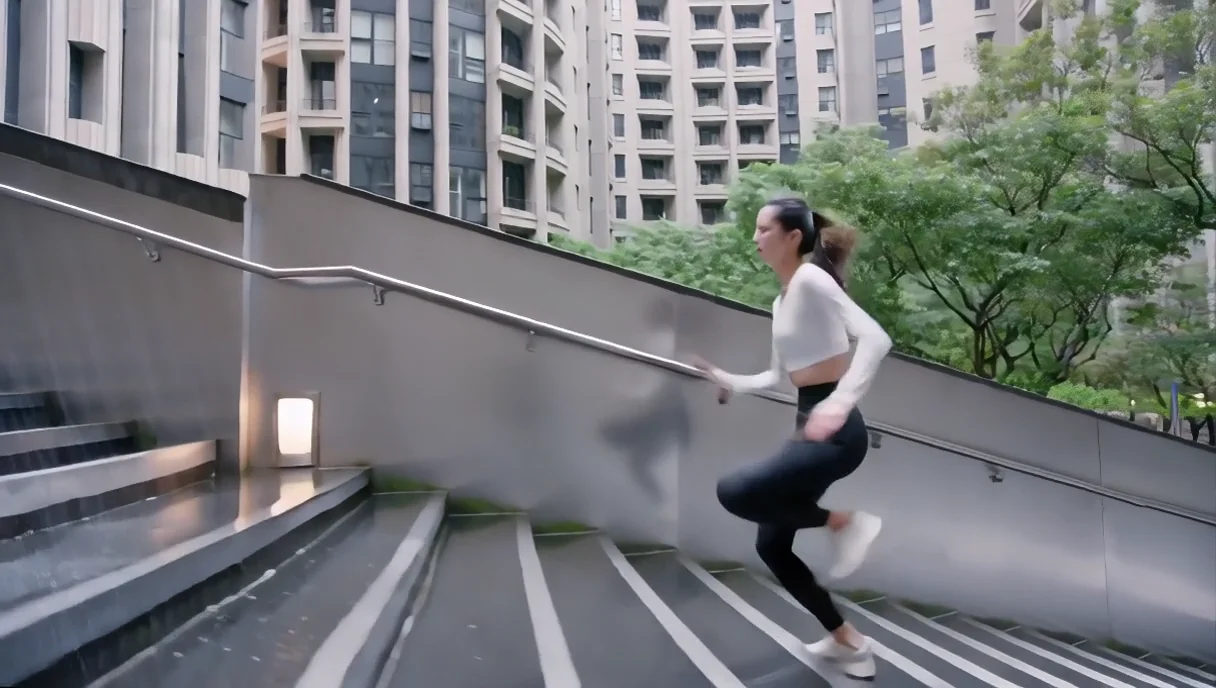
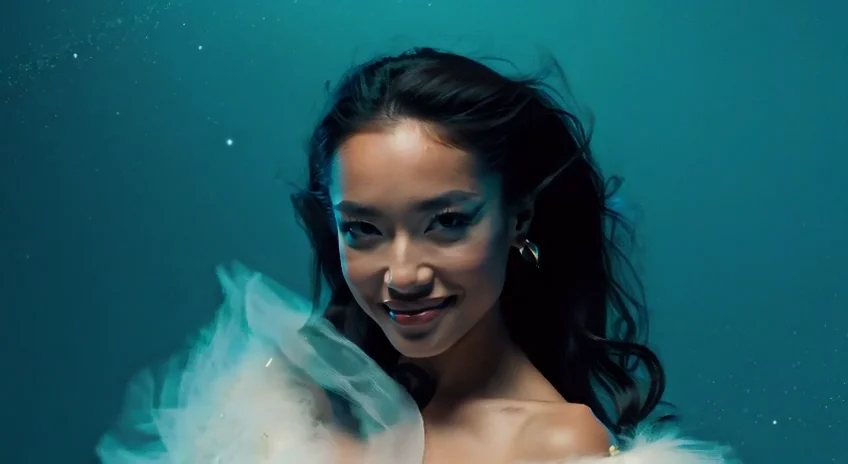
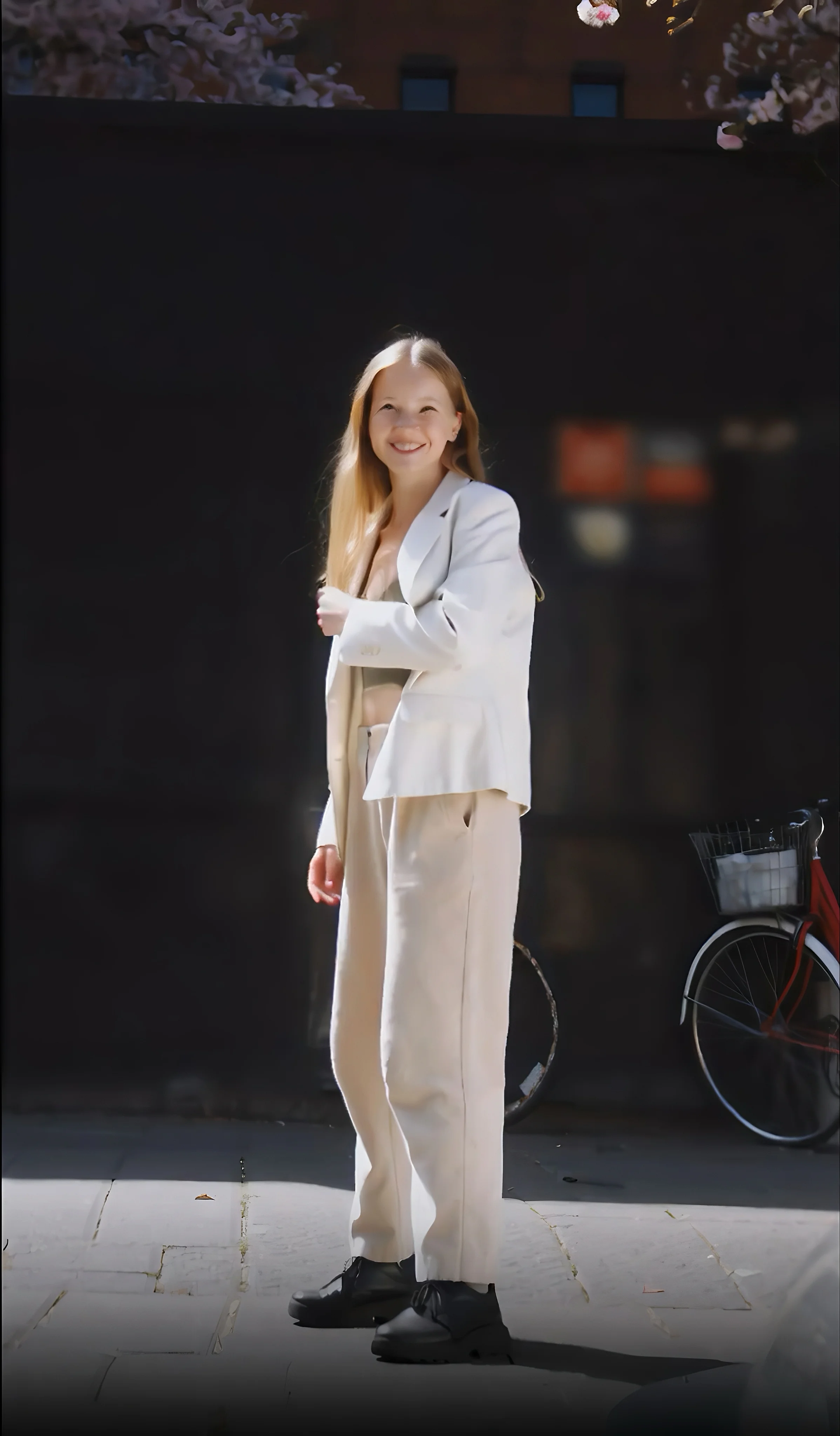
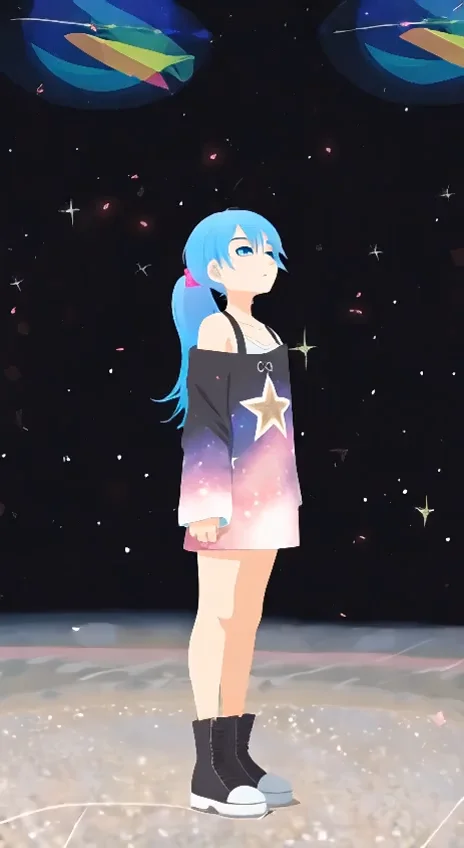

README
Wan 2.1 I2V 720p Ultra Fast — wavespeed-ai/wan-2.1/i2v-720p-ultra-fast
Wan 2.1 I2V 720p Ultra Fast is a fast image-to-video model that animates a single reference image into a short clip guided by your prompt. It’s optimized for quick turnaround at 720p while keeping the input image as the visual anchor—ideal for rapid storyboarding, motion exploration, and production-friendly iteration.
Key capabilities
- Image-to-video (I2V) generation at 720p
- Strong image anchoring for subject consistency
- Prompt-driven motion and camera direction (follow, dolly, orbit, pan/tilt)
- Tunable motion behavior with guidance and flow controls
- Great for quick drafts, fast iterations, and high-throughput generation
Use cases
- Turn key art into short motion clips for ads, social posts, and previews
- Animate characters and products while keeping the original look
- Test different camera moves (push-in, rise, follow, orbit) from the same image
- Generate multiple motion variants quickly for editing and selection
- Previsualization for longer or higher-cost renders
Pricing
| Resolution | Duration | Price per run | Effective price per second |
|---|---|---|---|
| 720p | 5s | $0.225 | $0.045/s |
| 720p | 10s | $0.338 | $0.034/s |
Inputs
- image (required): reference image that anchors subject and composition
- prompt (required): describe action + camera + environment motion
- negative_prompt (optional): suppress artifacts like blur, jitter, distortions
Parameters
- size: output resolution preset (e.g., 1280×720)
- duration: video length (commonly 5s or 10s)
- num_inference_steps: more steps can improve detail and motion stability
- guidance_scale: prompt adherence strength (higher = follows prompt more)
- flow_shift: motion behavior tuning (useful for more/less dynamic motion)
- seed: set for reproducible results (-1 for random)
Prompting guide (I2V)
Write prompts like a shot list:
- Subject + action: what the subject does over time
- Camera movement: “camera rises”, “follows behind”, “slow dolly-in”, “orbit”
- Motion constraints: “smooth motion”, “stable framing”, “no jitter”
- Environment: weather, particles, crowd, lighting shifts for realism
Example prompt
LEGO minifigure snowboarding on a mountain ridge, carving smooth S-turns while staying sideways on the board. The camera starts low in front, then rises and follows as the rider moves left and right across the slope. Snow sprays from the board, wind-blown powder in the air, dynamic action, smooth motion, stable framing, cinematic winter lighting.
Wan 2.1 I2v 720p Ultra Fast API — Quick start
Grab a WaveSpeedAI API key, then call POST https://api.wavespeed.ai/api/v3/wavespeed-ai/wan-2.1/i2v-720p-ultra-fast with your input as JSON. The endpoint returns a prediction id. Start polling the result endpoint around every 2 seconds, increase the interval for long-running tasks, and stop on any terminal status. On completed, read output values from data.outputs. Examples for Wan 2.1 I2v 720p Ultra Fast below.
HTTP example
set -euo pipefail

: "${WAVESPEED_API_KEY:?Set WAVESPEED_API_KEY}"

REQUEST_BODY=$(cat <<'JSON'
{
    "prompt": "A cinematic shot of a city at sunset, soft golden light",
    "image": "https://interactive-examples.mdn.mozilla.net/media/cc0-images/painted-hand-298-332.jpg",
    "size": "1280*720",
    "num_inference_steps": 30,
    "duration": 5,
    "guidance_scale": 5,
    "flow_shift": 5,
    "seed": -1
}
JSON
)

# 1. Submit the prediction.
SUBMIT_RESPONSE=$(curl --silent --show-error --fail-with-body \
  -X POST "https://api.wavespeed.ai/api/v3/wavespeed-ai/wan-2.1/i2v-720p-ultra-fast" \
  -H "Content-Type: application/json" \
  -H "Authorization: Bearer $WAVESPEED_API_KEY" \
  -d "$REQUEST_BODY")

TASK=$(printf '%s' "$SUBMIT_RESPONSE" | jq 'if has("data") then .data else . end')
PREDICTION_ID=$(printf '%s' "$TASK" | jq -r '.id')
if [ -z "$PREDICTION_ID" ] || [ "$PREDICTION_ID" = "null" ]; then
  printf 'Submission response did not contain a prediction id
' >&2
  exit 1
fi
RESULT_URL=$(printf '%s' "$TASK" | jq -r '.urls.get // empty')
if [ -z "$RESULT_URL" ]; then
  RESULT_URL="https://api.wavespeed.ai/api/v3/predictions/$PREDICTION_ID/result"
fi

# 2. Poll until the prediction finishes.
while true; do
  RESPONSE=$(curl --silent --show-error --fail-with-body "$RESULT_URL" \
    -H "Authorization: Bearer $WAVESPEED_API_KEY")
  RESULT=$(printf '%s' "$RESPONSE" | jq 'if has("data") then .data else . end')
  STATUS=$(printf '%s' "$RESULT" | jq -r '.status')
  case "$STATUS" in
    completed) printf '%s\n' "$RESULT" | jq '.outputs'; break ;;
    failed|cancelled|timeout) printf '%s\n' "$RESULT" | jq . >&2; exit 1 ;;
    created|processing) sleep 2 ;;
    *) printf 'Unexpected status: %s
' "$STATUS" >&2; exit 1 ;;
  esac
done
Node.js example
const submitUrl = "https://api.wavespeed.ai/api/v3/wavespeed-ai/wan-2.1/i2v-720p-ultra-fast";
const apiKey = process.env.WAVESPEED_API_KEY;
if (!apiKey) throw new Error('Set WAVESPEED_API_KEY');

async function requestJson(url, options = {}) {
  const response = await fetch(url, options);
  if (!response.ok) throw new Error(await response.text());
  return response.json();
}

// 1. Submit the prediction.
const body = await requestJson(submitUrl, {
  method: "POST",
  headers: {
    "Authorization": `Bearer ${apiKey}`,
    "Content-Type": "application/json",
  },
  body: JSON.stringify({
        "prompt": "A cinematic shot of a city at sunset, soft golden light",
        "image": "https://interactive-examples.mdn.mozilla.net/media/cc0-images/painted-hand-298-332.jpg",
        "size": "1280*720",
        "num_inference_steps": 30,
        "duration": 5,
        "guidance_scale": 5,
        "flow_shift": 5,
        "seed": -1
}),
});
const task = body.data ?? body;
if (!task.id) throw new Error("Submission response did not contain a prediction id");
const resultUrl = task.urls?.get ||
  `https://api.wavespeed.ai/api/v3/predictions/${task.id}/result`;

// 2. Poll until the prediction finishes.
while (true) {
  const resultBody = await requestJson(resultUrl, {
    headers: { "Authorization": `Bearer ${apiKey}` },
  });
  const result = resultBody.data ?? resultBody;
  if (result.status === "completed") {
    console.log(result.outputs);
    break;
  }
  if (["failed", "cancelled", "timeout"].includes(result.status)) throw new Error(JSON.stringify(result));
  if (!["created", "processing"].includes(result.status)) throw new Error("Unexpected status: " + result.status);
  await new Promise(resolve => setTimeout(resolve, 2000));
}
Python example
import json
import os
import time
from urllib.request import Request, urlopen

api_key = os.environ["WAVESPEED_API_KEY"]
headers = {"Authorization": f"Bearer {api_key}", "Content-Type": "application/json"}
payload = {
    "prompt": "A cinematic shot of a city at sunset, soft golden light",
    "image": "https://interactive-examples.mdn.mozilla.net/media/cc0-images/painted-hand-298-332.jpg",
    "size": "1280*720",
    "num_inference_steps": 30,
    "duration": 5,
    "guidance_scale": 5,
    "flow_shift": 5,
    "seed": -1
}

def request_json(url, data=None):
    request = Request(url, data=data, headers=headers, method="POST" if data else "GET")
    with urlopen(request) as response:
        return json.load(response)

# 1. Submit the prediction.
body = request_json("https://api.wavespeed.ai/api/v3/wavespeed-ai/wan-2.1/i2v-720p-ultra-fast", json.dumps(payload).encode())
task = body.get("data", body)
if not task.get("id"):
    raise RuntimeError("Submission response did not contain a prediction id")
result_url = task.get("urls", {}).get("get") or f"https://api.wavespeed.ai/api/v3/predictions/{task['id']}/result"

# 2. Poll until the prediction finishes.
while True:
    result_body = request_json(result_url)
    result = result_body.get("data", result_body)
    status = result.get("status")
    if status == "completed":
        print(result.get("outputs", []))
        break
    if status in {"failed", "cancelled", "timeout"}:
        raise RuntimeError(result)
    if status not in {"created", "processing"}:
        raise RuntimeError(f"Unexpected status: {status}")
    time.sleep(2)
Wan 2.1 I2v 720p Ultra Fast API — Frequently asked questions
What is the Wan 2.1 I2v 720p Ultra Fast API?
Wan 2.1 I2v 720p Ultra Fast is a WaveSpeedAI model for video generation from images, exposed as a REST API on WaveSpeedAI. WAN 2.1 Image-to-Video (i2v) 720P Ultra-Fast converts images into 720P videos with ultra-fast inference and supports unlimited AI video generation for high-throughput workflows. Ready-to-use REST inference API, best performance, no coldstarts, affordable pricing. You can call it programmatically or try it from the playground above.
How do I call the Wan 2.1 I2v 720p Ultra Fast API?
POST your input parameters to the model's REST endpoint (shown in the API tab of this playground) with your WaveSpeedAI API key in the Authorization header. Submission returns a prediction ID. Poll the result endpoint starting around every 2 seconds, increase the interval for long-running tasks, and stop on any terminal status. The playground generates production-oriented Python, JavaScript, and cURL examples with timeouts, transient-error handling, and safe GET retries. Full request/response shape is documented at https://wavespeed.ai/docs/docs-api/wavespeed-ai/wan-2.1-i2v-720p-ultra-fast.
How much does Wan 2.1 I2v 720p Ultra Fast cost per run?
Wan 2.1 I2v 720p Ultra Fast starts at $0.23 per run. That figure is the base price — the final charge scales with the parameters you set in the form (output size, length, count, references, or whatever knobs this model exposes), so a higher-quality or larger output costs more than a minimal one. The exact cost for your current input is shown live next to the Generate button before you submit, and the actual per-call charge is recorded on the prediction afterwards.
What inputs does Wan 2.1 I2v 720p Ultra Fast accept?
Key inputs: `prompt`, `image`, `duration`, `size`, `seed`, `guidance_scale`. The full JSON schema (types, defaults, allowed values) is rendered above the Generate button and mirrored in the API reference at https://wavespeed.ai/docs/docs-api/wavespeed-ai/wan-2.1-i2v-720p-ultra-fast.
How long does Wan 2.1 I2v 720p Ultra Fast take to generate?
Median end-to-end generation time on WaveSpeedAI is around 112 seconds per request, based on recent successful runs. Queue time varies with global demand; live status is visible in the prediction record.
Can I use Wan 2.1 I2v 720p Ultra Fast outputs commercially?
Commercial usage rights depend on the model's license, set by its provider (WaveSpeedAI). The license summary appears on the model card above; see WaveSpeedAI's Terms of Service for platform-level conditions.