
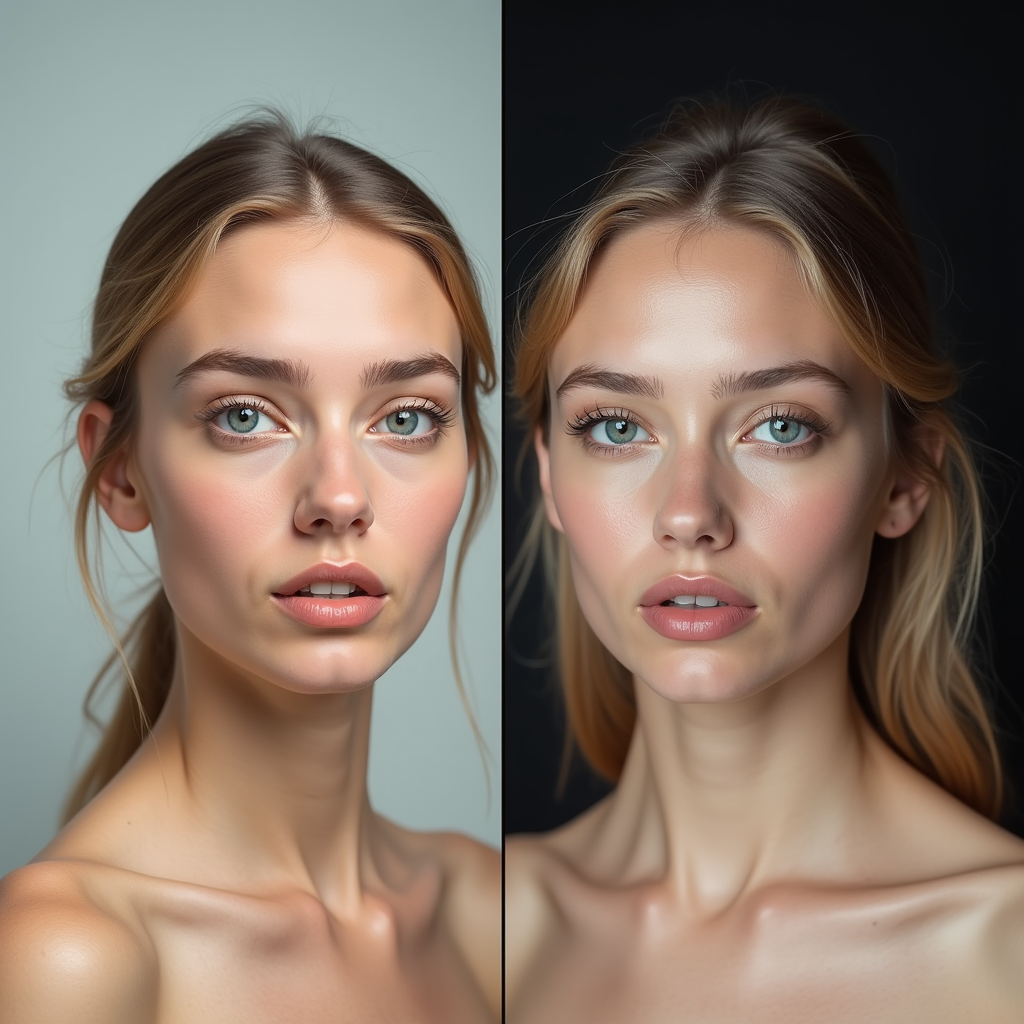
AI Image Editing — Transform Photos with Intelligent AI Tools
Edit faster, not harder. From complex object removal to generative background expansion, WaveSpeed provides a complete suite of AI-powered editing tools. Automate repetitive tasks and achieve professional results without the learning curve.
Professional AI Editing, Zero Learning Curve
WaveSpeed's intuitive editor streamlines complex workflows into simple steps. Remove objects, replace backgrounds, and expand images — no design experience required.
Object Removal & Inpainting
Select any unwanted element and the AI fills it with matching background texture. Remove text, logos, watermarks, or people — the inpainting engine intelligently reconstructs the underlying scene.
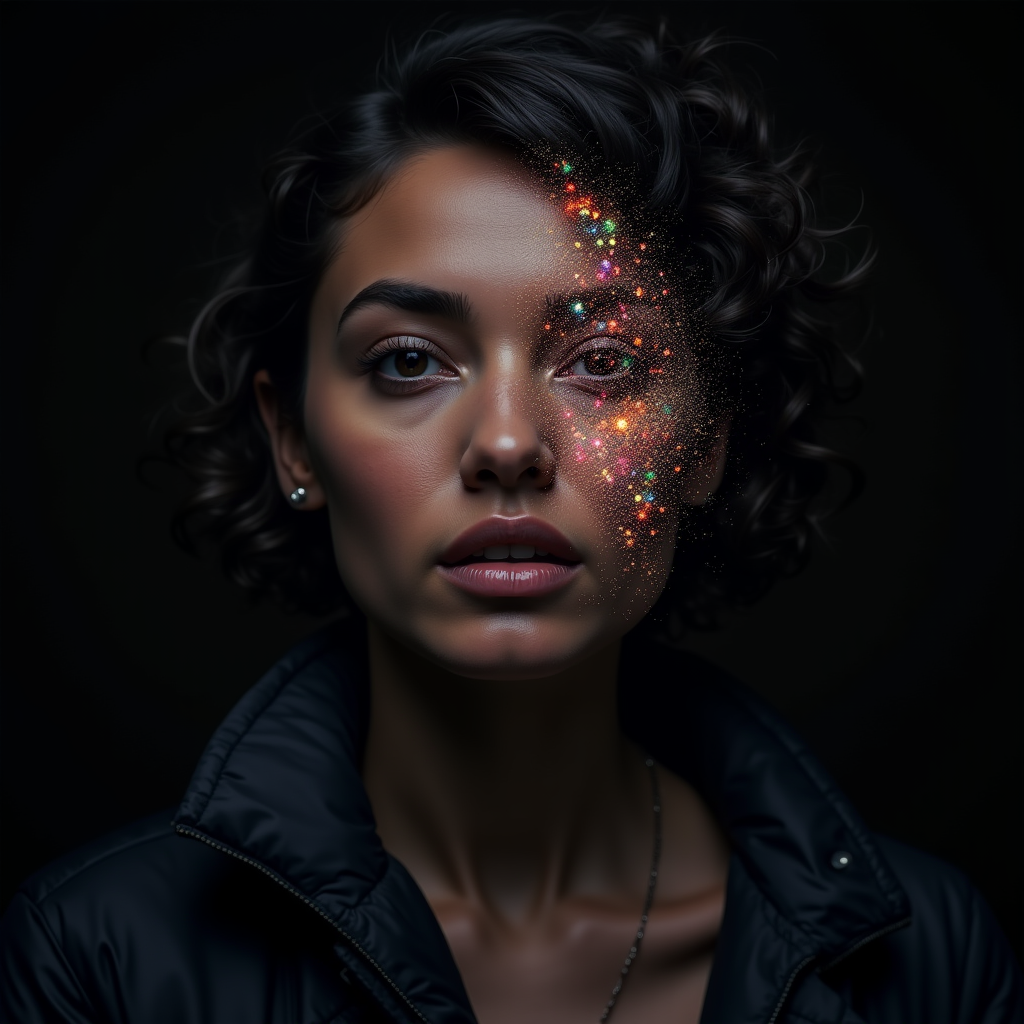
Background Replacement
Swap backgrounds with a text prompt or remove them entirely with clean alpha channel output. Perfect for product photography, portrait retouching, and creative compositing at scale.
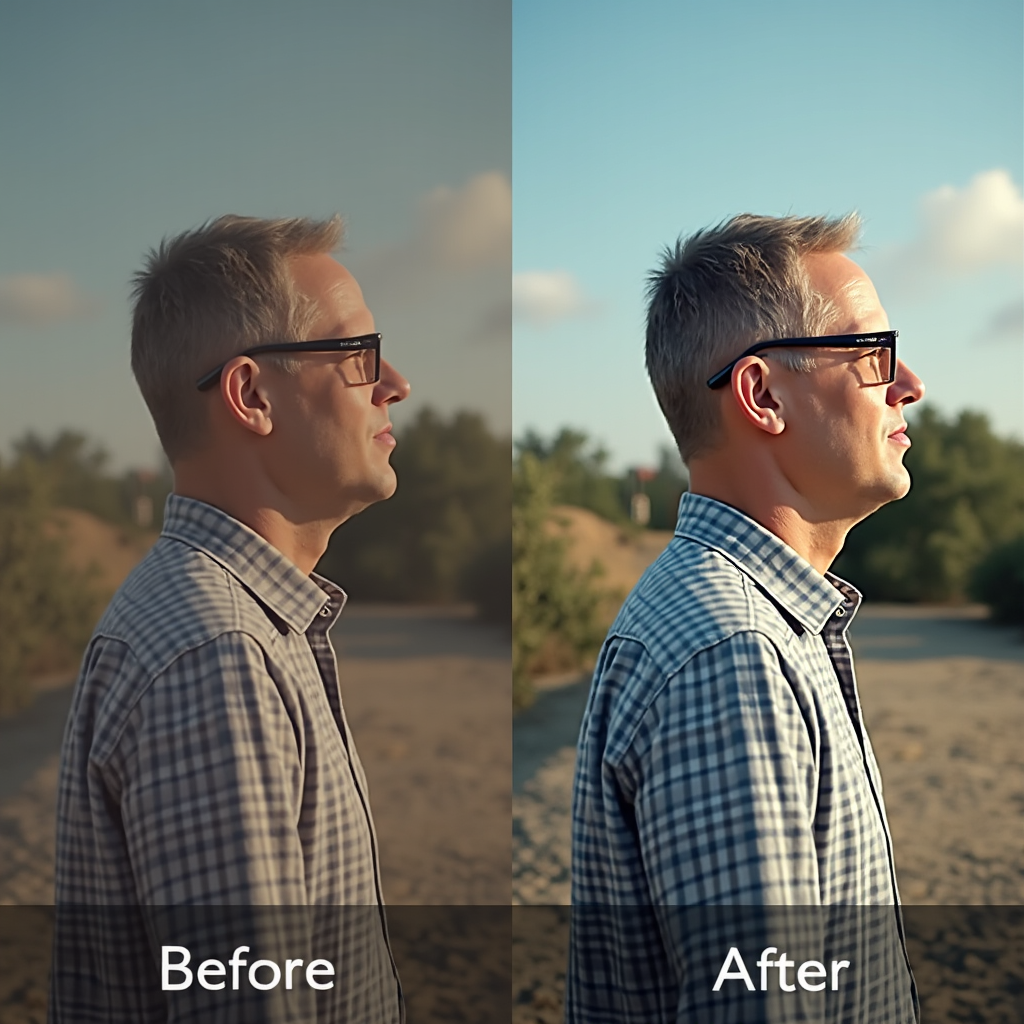
Outpainting (Uncrop)
Expand image borders with AI-generated content that seamlessly continues the scene. Convert vertical images to horizontal, add headspace to portraits, or extend any composition in any direction.

AI Image Editing on WaveSpeed vs. Traditional Tools
See why teams choose WaveSpeed AI editing over traditional tools.
Performance at a Glance
AI Image Editing on WaveSpeed delivers fast, reliable results at scale.
Examples
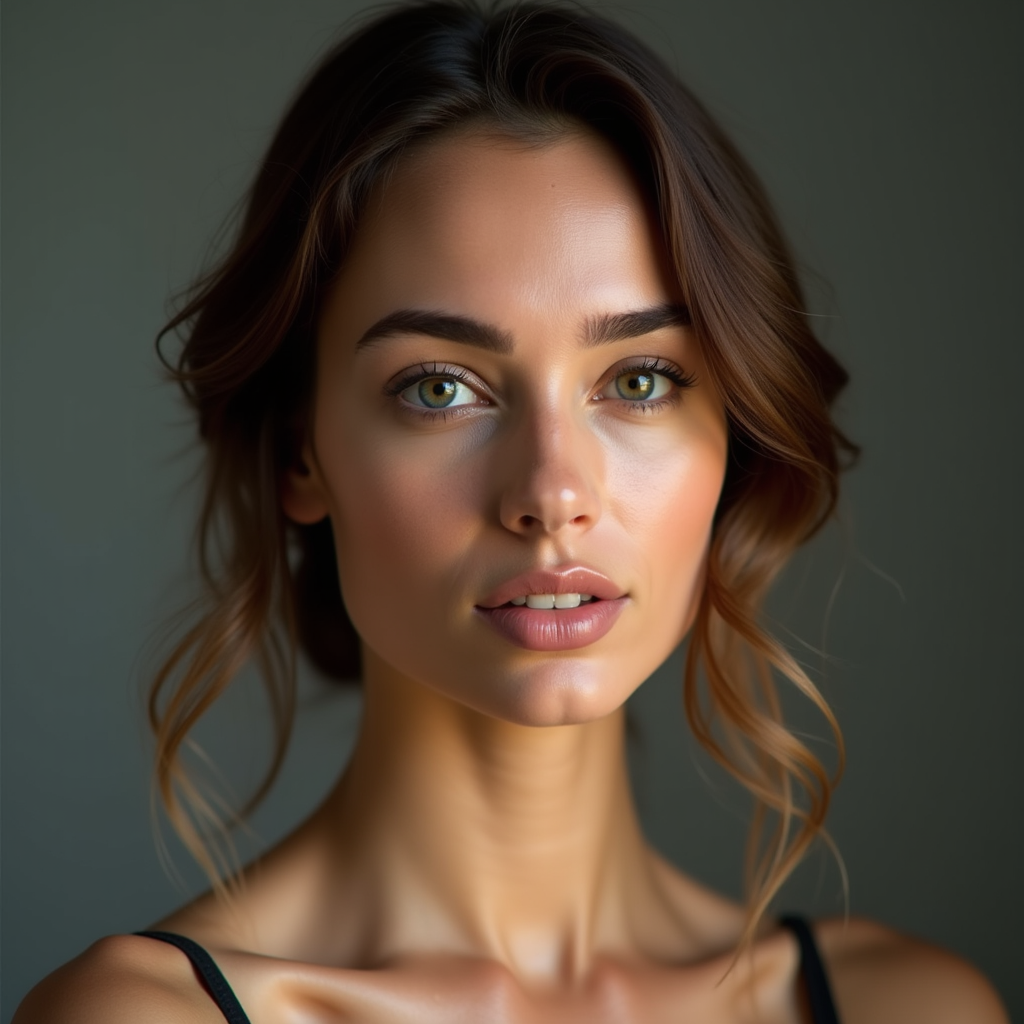
Remove the person in the background and fill with matching scenery, natural light.

Replace the background with a modern studio setting, soft lighting, clean white backdrop.

Remove the watermark text and reconstruct the underlying scene seamlessly.

Extend the image to the right, continuing the cityscape with matching perspective and lighting.
Integrate in Minutes
Production-ready SDKs for Python and JavaScript. REST API with full OpenAPI spec. Webhook support for async jobs.
- Inpainting, outpainting, background removal via API
- Batch processing for thousands of images
- Python & JavaScript SDKs + REST API
Get Any Tool You Want
1000+ models across image, video, audio, and 3D — all through one API.

FAQ
AI Image Editing uses artificial intelligence to interpret and modify images. Unlike traditional filters that apply global changes, AI understands the content of the image, allowing for specific edits like removing objects, changing expressions, or extending backgrounds while maintaining realism.
While professional software like Photoshop offers granular control, it requires manual skill and time. WaveSpeed's AI Image Editing automates these processes, allowing you to achieve similar results in seconds with simple text prompts or brush strokes, no design experience needed.
Yes. The Object Removal or Inpainting tool is highly effective at removing text, logos, or watermarks and intelligently filling the space to match the underlying texture.
Yes. For enterprise users, the API allows you to apply specific edits (like background removal or resizing) to thousands of images automatically.
Outpainting (or Uncrop) is a feature that expands the borders of an image. The AI generates new content that seamlessly continues the scene, allowing you to change a vertical image into a horizontal one or add more headspace to a portrait.
We prioritize user privacy. Images uploaded for editing are processed securely and are not used to train our public models without your explicit permission.