Claude Mythos API & Pricing: What Builders Need to Know Before Launch
No Claude Mythos API is public yet. Here's what the leak revealed about pricing, access, and what developers should monitor before launch.
The AI world exploded when Fortune dropped a bombshell headline that instantly went viral: Anthropic had accidentally exposed nearly 3,000 internal assets in a publicly searchable data store — including a draft blog post hyping their unreleased model as “by far the most powerful AI model we’ve ever developed.”
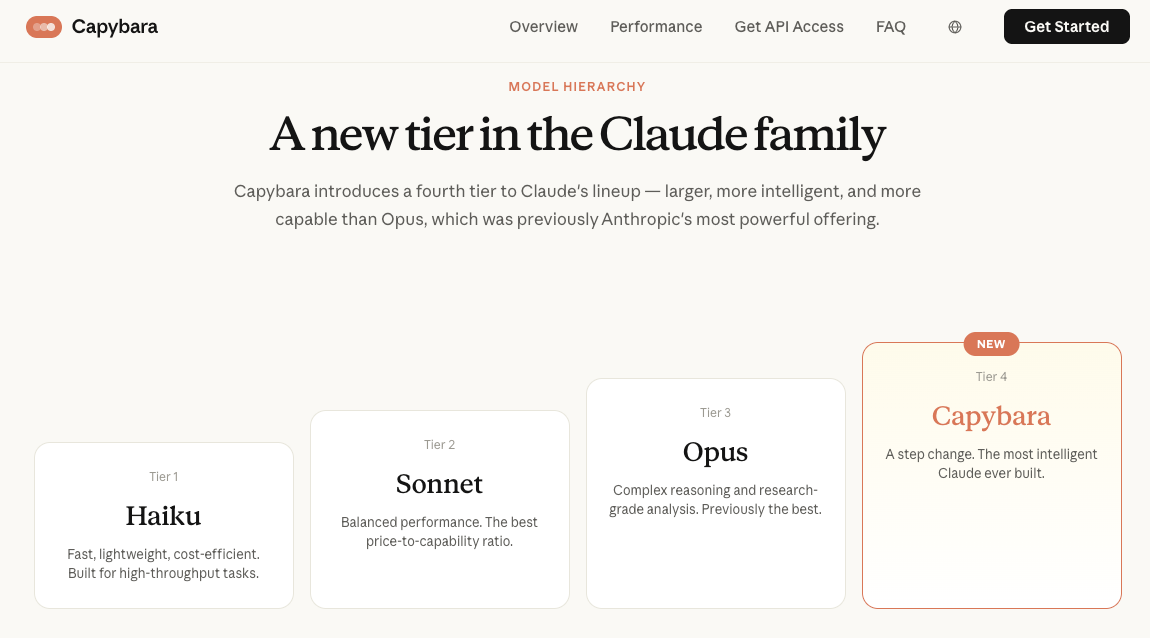
That model? Internally codenamed Claude Mythos — also tied to a mysterious new tier called Capybara.
If you’re a developer, product leader, or the one signing the checks for AI infrastructure, that leak probably triggered the same urgent questions racing through everyone’s mind:Can I actually get my hands on it? When? And how brutal is this going to be on my budget?
This article cuts through the hype and gives you the clearest, most honest answers available as of early April 2026.
Is There a Claude Mythos API Available Now?
Current Status — No Public Endpoint Confirmed
The short answer: no. As of April 2026, Claude Mythos / Capybara is available only to a small group of early access customers selected by Anthropic. There is no public API, no announced pricing, and no confirmed release date.
Claude Capybara does not appear in Anthropic’s public model overview, pricing page, or release notes as of late March 2026. If you go to the Anthropic API docs right now and look at the model list, you’ll find claude-opus-4-6, claude-sonnet-4-6, and claude-haiku-4-5 — that’s it. No Mythos alias, no Capybara endpoint, no beta flag to opt into.
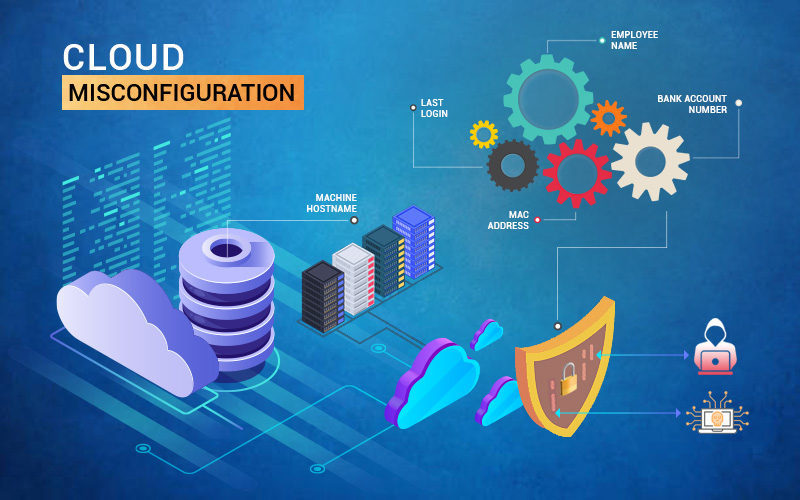
The leak itself was a CMS misconfiguration. Security researchers Roy Paz of LayerX Security and Alexandre Pauwels of the University of Cambridge discovered the exposed data store, which contained a draft blog post describing the model in detail. Anthropic attributed it to “human error” and described the materials as early drafts — which means what we know comes from pre-launch internal documents, not from anything resembling a product launch.
What Early Access Means in Practice
“Early access” here is not the same as a developer beta or a waitlist you can join. According to Fortune, Anthropic’s engineers have finished training Claude Mythos and are piloting it with early customers — but those customers were selected by Anthropic, not self-selected through a public sign-up.
The rollout is determined by “the results of safety evaluations, not a fixed commercial calendar.” That distinction matters a lot for planning. You can’t gate your roadmap to a date Anthropic hasn’t committed to.
What the Leak Revealed About Claude Mythos Pricing
”Very Expensive” — The Actual Language in the Draft
Here’s the one pricing signal we actually have, stated verbatim in the leaked draft: Anthropic’s leaked draft states the model is “very expensive for us to serve, and will be very expensive for our customers to use.”
That’s it. That’s the full extent of confirmed pricing information. There is no dollar figure in the leaked documents. Anyone publishing a specific per-token price for Claude Mythos right now is making that up. I want to be direct about this because I’ve already seen posts treating speculative extrapolation as fact, and that’s not useful to anyone trying to make real decisions.
How Capybara Tier Pricing Might Compare to Opus 4.6 API Rates
To understand where Mythos pricing might land, it helps to know where Anthropic is today. Claude Opus 4.6, released in February 2026, is priced at $5 input / $25 output per million tokens — a 67% reduction from the Opus 4.1 era ($15/$75).
Here’s how the current public lineup sits in the Anthropic official pricing docs as of March 2026:
Capybara is described as a new tier above Opus — not a version bump, a structural expansion. “Capybara is a new name for a new tier of model: larger and more intelligent than our Opus models — which were, until now, our most powerful,” Anthropic stated in the leaked draft. Based on how each existing tier is priced relative to the one below it, a Capybara-tier model would almost certainly cost more than Opus 4.6 at standard rates. By how much? Genuinely unknown.
Why Cost-Efficiency Work Is Still Ongoing Before General Release
This is a key signal that gets buried in most coverage. Mythos is extremely compute-intensive and expensive to run. Anthropic said it is working on making it much more efficient before any general release.
That language — “much more efficient” — suggests the gap between current compute cost and commercially viable cost is significant. This isn’t Anthropic trimming margins. It’s a signal that model optimization work (distillation, quantization, inference improvements) is a prerequisite for launch, not a post-launch improvement. For anyone planning procurement or budgeting around Mythos: the timeline is tied to engineering progress, not a marketing calendar.
How Anthropic Is Likely to Structure API Access
Direct API vs Enterprise-Only Access — Signals from the Leak
The leaked draft described a phased rollout through the Claude API — but no timeline has been confirmed. The model is currently described as expensive to serve and not yet optimized for general availability.
The early access cohort appears to be enterprise customers with specific use cases in cybersecurity defense. That’s not an accident. Anthropic said its plan for the model’s release would focus on cyber defenders: “We’re releasing it in early access to organizations, giving them a head start in improving the robustness of their codebases against the impending wave of AI-driven exploits.”
This mirrors how Anthropic has handled dual-use risk in the past — targeted access before broad release. It also suggests that when Mythos does hit the public API, there may be guardrails or access tiers that don’t exist for Opus today.
Gradual Rollout as Precedent
Anthropic’s existing track record on major capability releases supports a gradual rollout assumption. Opus 4.6’s 1M context window launched first in beta for Tier 4 organizations before becoming standard. Extended thinking, fast mode, and other high-compute features followed similar staged paths. You can monitor this through Anthropic’s model release pages and changelog.
The API interface will stay consistent. Anthropic’s model tiers share a unified API format. When Capybara eventually becomes available, switching to it from Opus or Sonnet should be a single parameter change — the same way you can currently switch between claude-opus-4-6 and claude-sonnet-4-6. That’s good news for any team already building on the Claude API: no architectural changes required when the migration time comes.
What Signals to Watch Before a Public Launch
Anthropic Model Release Pages
The clearest signal will be a new row on Anthropic’s official model overview. When Mythos gets a public API alias, it will appear there first. Bookmark it and check it periodically — this is not a secondary source.
Changelog and Pricing Docs
Anthropic’s pricing documentation provides detailed information for all models and features, noting that for the most current pricing information, users should visit the pricing page of Claude. When Capybara-tier pricing goes live, it will appear on that page before any press announcement. The Claude API changelog is the other early-warning system — new model strings show up there at or before launch.
Early Access Program Announcements
Anthropic occasionally posts direct early access opportunities through its news and research pages. The existing early access cohort for Mythos was curated, not publicly announced — but a broader early access program would likely surface here, possibly alongside a safety research partnership announcement given the cybersecurity focus.
FAQ
Is Claude Mythos available on the Anthropic API?
No. As of early April 2026, there is no public model endpoint for Claude Mythos or Capybara. The current public model lineup is Haiku 4.5, Sonnet 4.6, and Opus 4.6. Mythos is in a restricted early access phase with a small group of enterprise customers selected by Anthropic.
How much will Claude Mythos cost per million tokens?
Unknown. The leaked draft described the model as “very expensive for us to serve, and will be very expensive for our customers to use” — but no specific token prices were included in the documents. Any specific dollar figure you see in coverage right now is speculation. The reference point you can use today is Opus 4.6 at $5 input / $25 output per million tokens, with the understanding that Capybara will sit in a higher tier.
Will Claude Mythos be available via Claude Code?
Not confirmed. Claude Code currently runs on Opus 4.6, which already tops Terminal-Bench 2.0 at 65.4%. The leaked draft blog post revealed that Anthropic plans to change how it distributes its LLMs when Mythos launches, but the specifics of whether Claude Code will be updated to use Mythos automatically, optionally, or at an additional cost have not been disclosed.
Can I apply for early access?
There’s no public early access program as of date. The current test cohort was invite-only, focused on cybersecurity organizations. Watch Anthropic’s official channels — if they open a broader early access program, it will be announced there first.
Will Claude Mythos have usage limits?
Almost certainly, especially early on. Given the compute cost and the sensitive cybersecurity capabilities involved, some form of rate limiting or access gating is more likely than open access. Anthropic has used Tier 4 organization status as a prerequisite for beta features before; a similar or stricter threshold for Mythos access would fit the pattern.
Previous Posts:
Related Articles
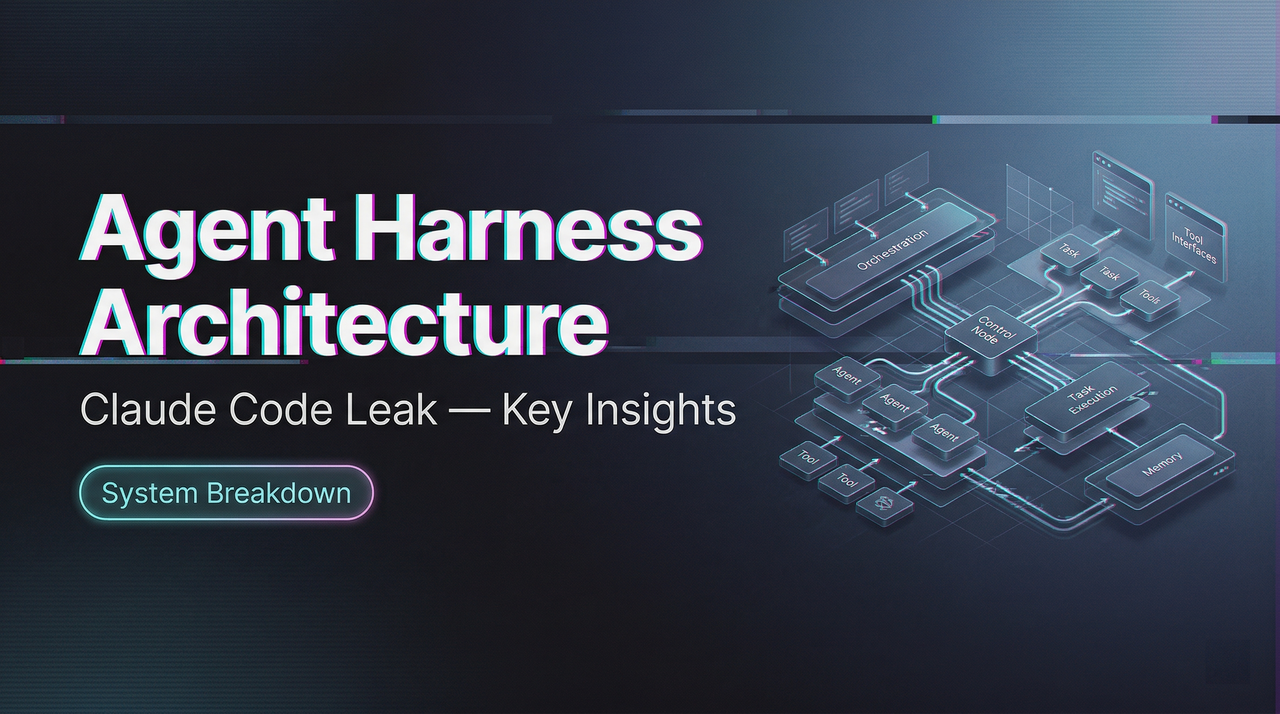
Claude Code Agent Harness Architecture: Key Insights from the Leak
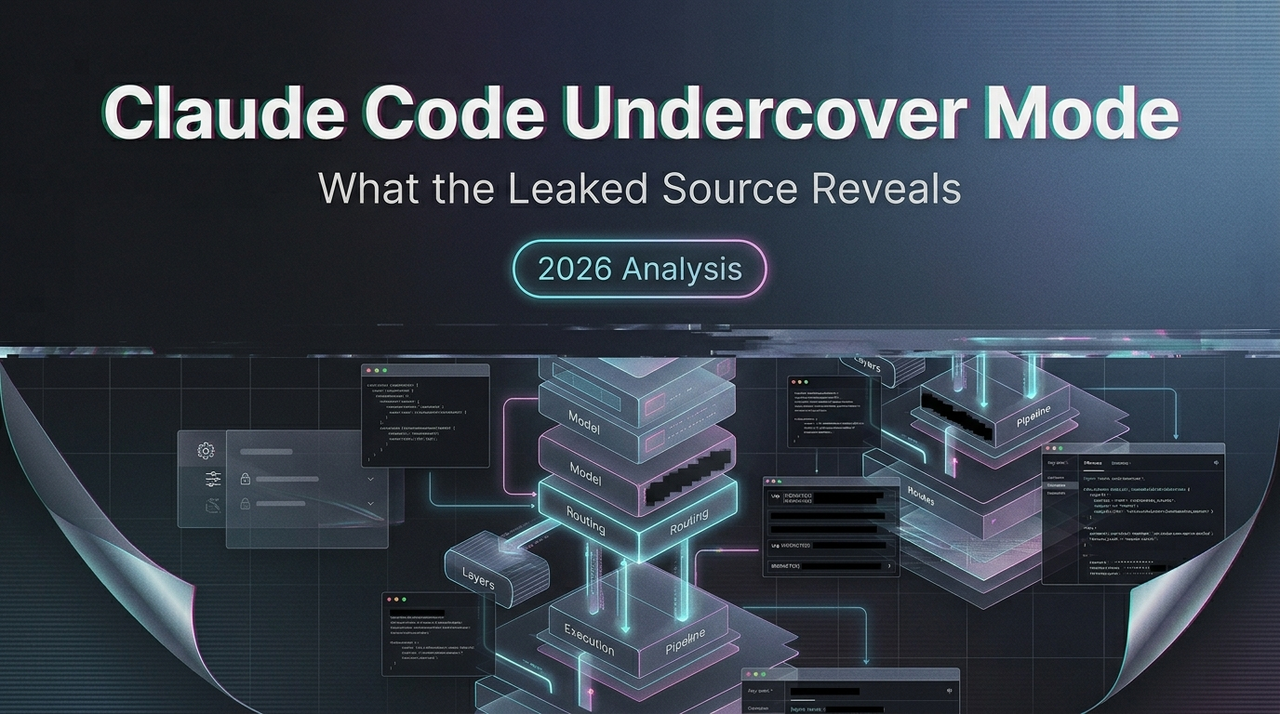
Claude Code Undercover Mode: What the Leaked Source Actually Reveals
GLM-5V-Turbo: What Developers Should Know in 2026

What Is Google Gemma 4? Architecture, Benchmarks, and Why It Matters
Claude Code architecture Deep Dive: What the Leaked Source Reveals