

Realistic Ai Image Generator
Free image generator — realistic ai image generator. WaveSpeed AI: fast, no watermark, free to start.
This query is less about “no rules” and more about lower friction.
When people type this phrase, they are usually looking for a tool that gets to a usable image faster. The label is secondary. The workflow is the real product.
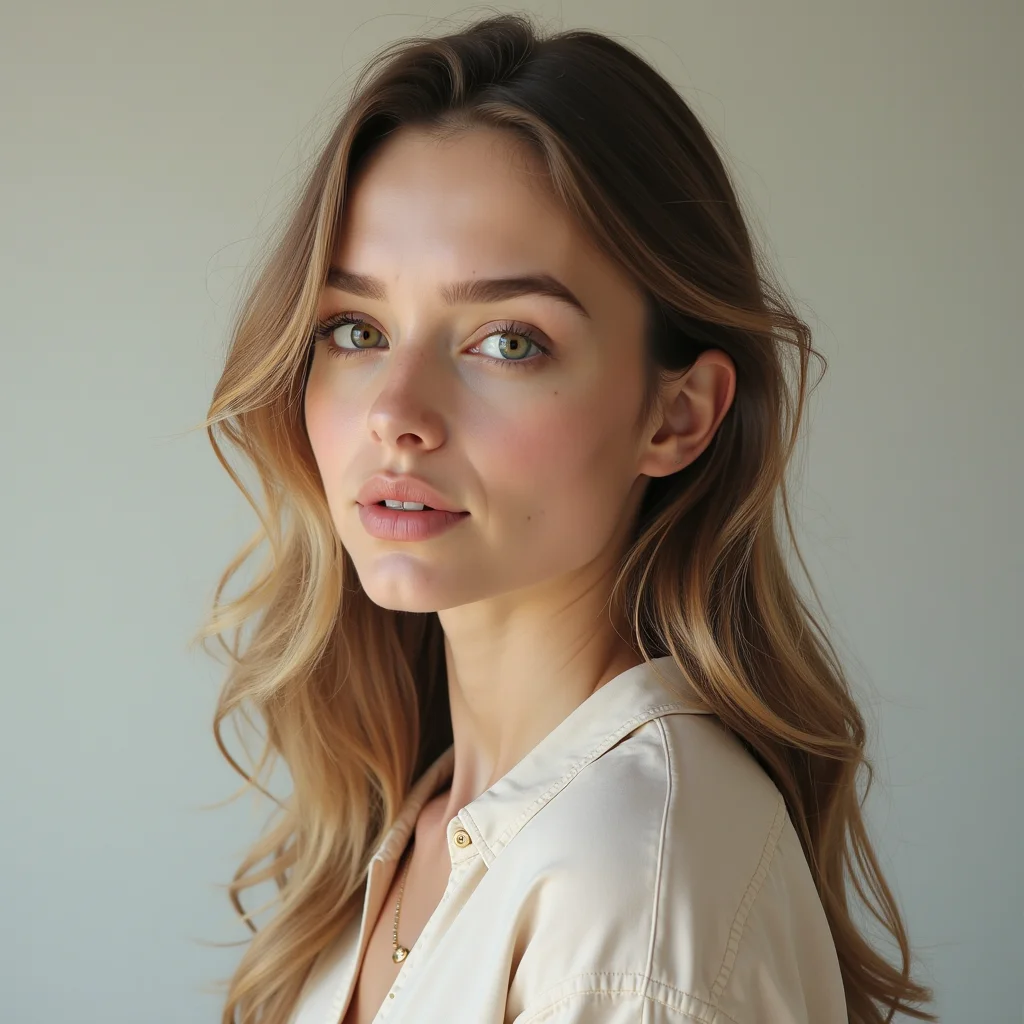
Most users really want broader style range, faster iteration, and fewer dead ends before the first promising draft.
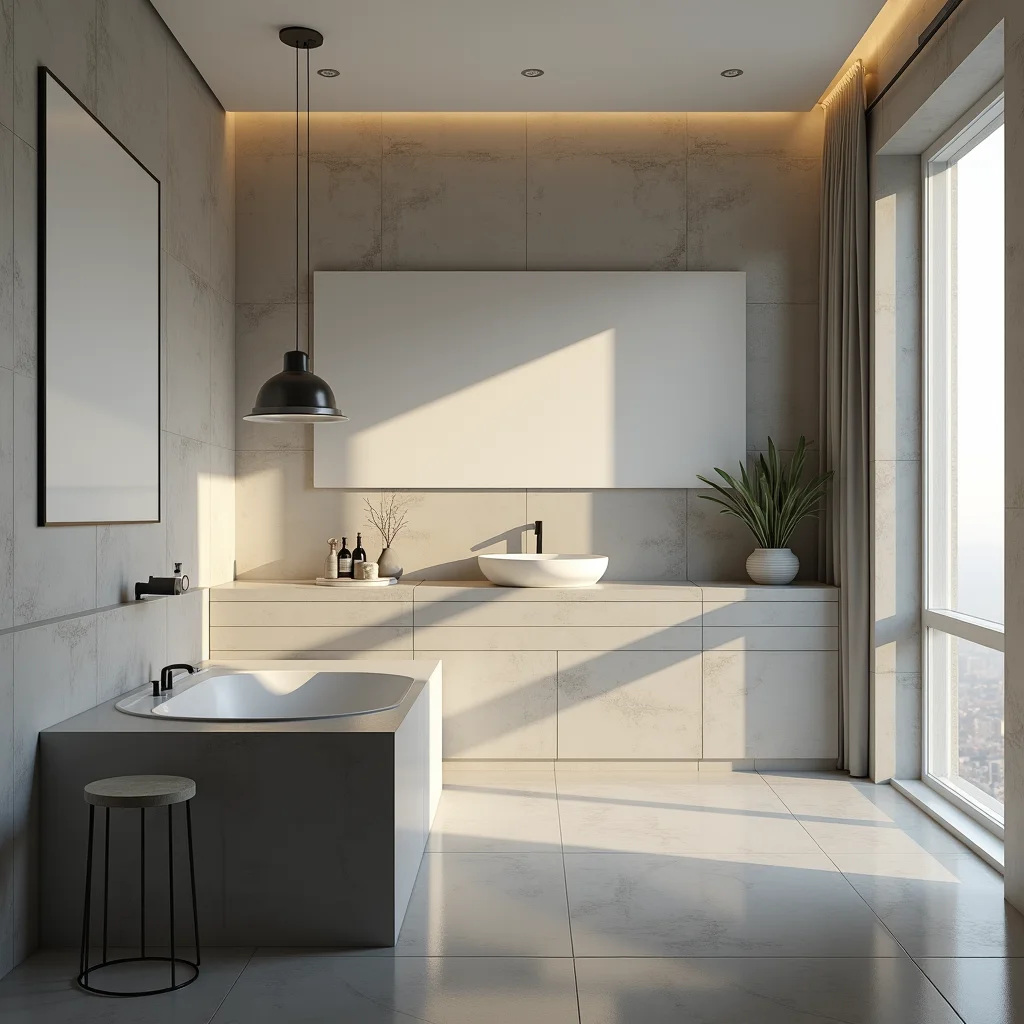
What to compare before you choose.
If you compare workflow instead of marketing copy, the evaluation gets much clearer.
Some models follow instructions better than others.
Clearer outputs, fewer ignored details.
You may want realism, art, or concept work.
More than one visual mode.
Text-only tools can feel random.
Uploads, editing, or image-to-image paths.
Many users want to test before committing.
Easy first use, less setup.
WaveSpeed fits better when you want to move between modes, not stay trapped in one.
That is the real advantage for this query: you can move from quick draft to prompt control to reference-based editing without rebuilding your process each time.
Fast image models
Good when you want many drafts fast and need to pressure-test loose ideas before polishing.
Prompt-focused models
Better when the prompt needs to be followed closely and small wording changes matter.
Editing models
Useful for reference-based work, variation passes, and controlled style shifts.
Image-to-image paths
Helpful when you already have a visual baseline and want tighter control over outcomes.
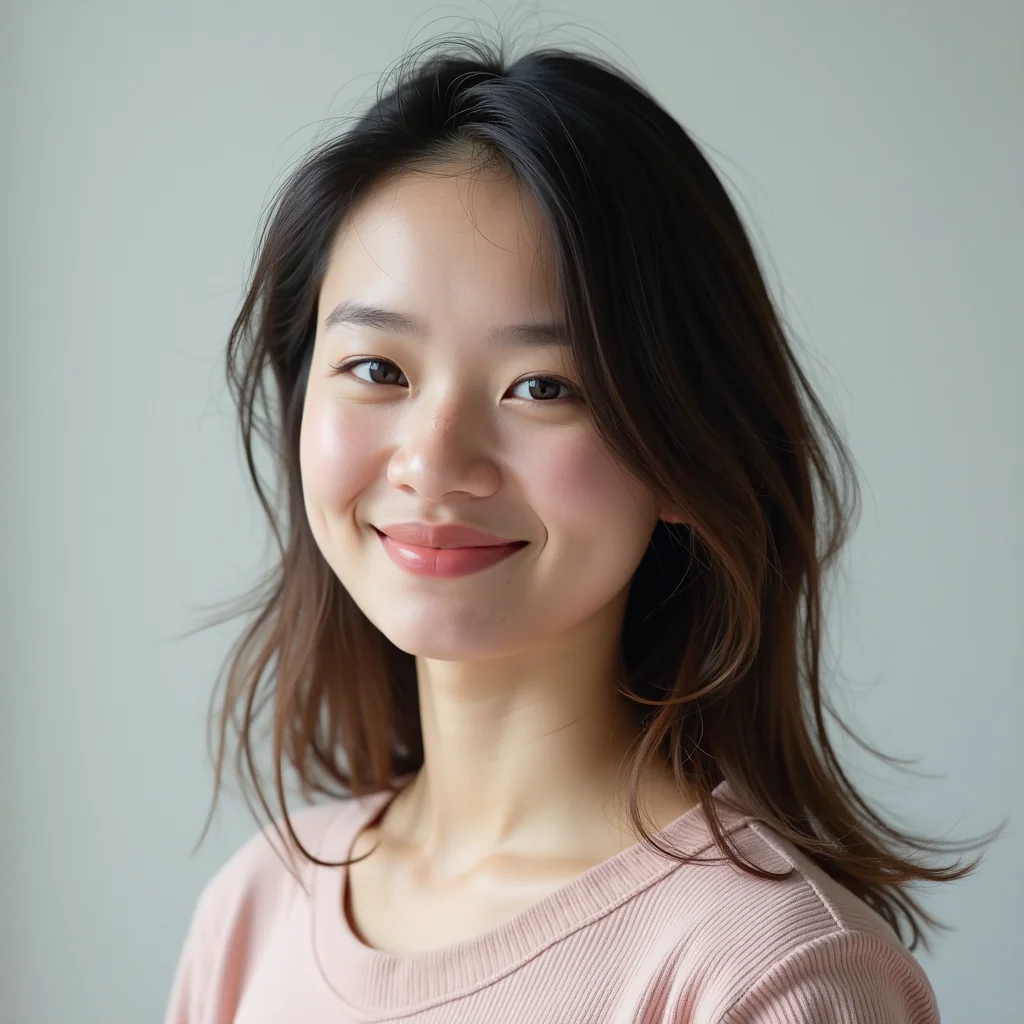
Let the image story keep moving.
Since this page already has a lot of visual material, a looping gallery works better than leaving every image trapped in its own static block. It gives the page a rhythm and helps people understand the range faster.
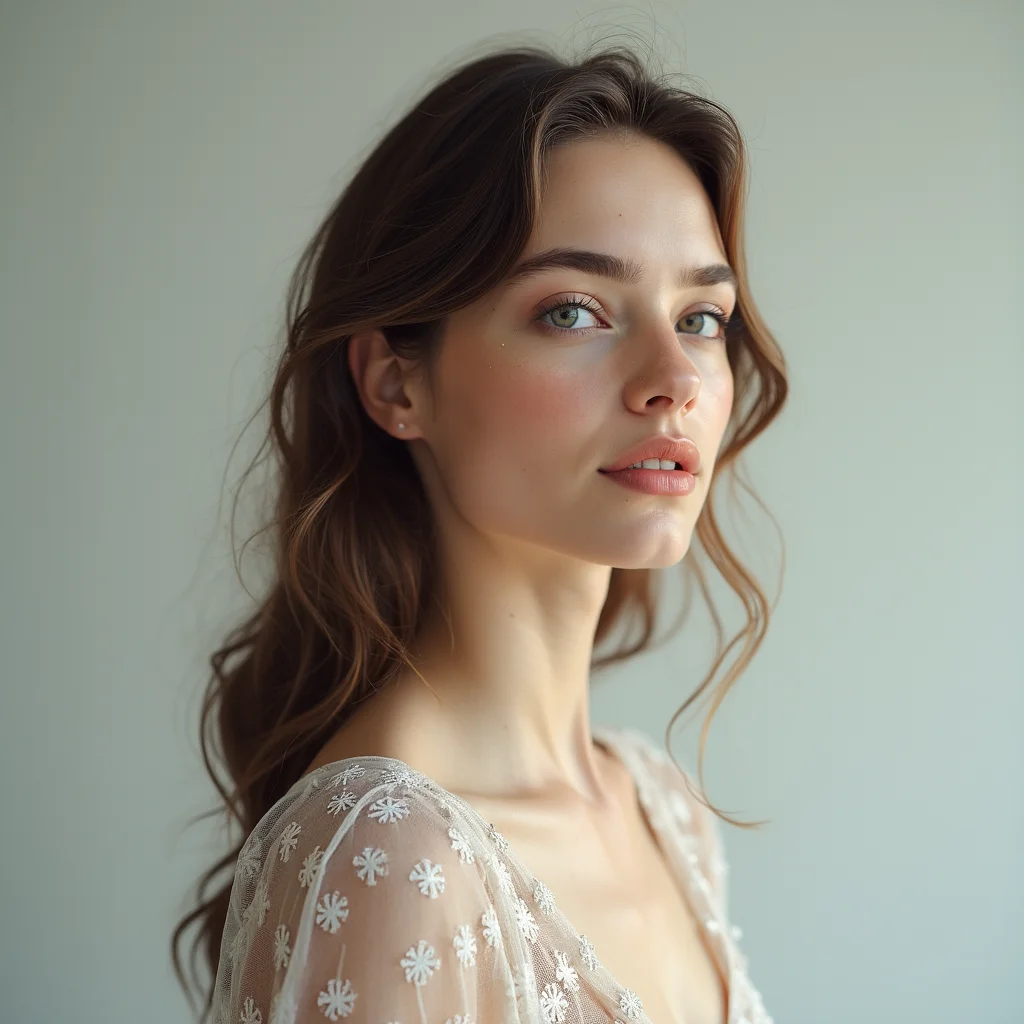
Test range with prompts that actually expose differences.
Simple prompts hide too much. Use scenes that reveal style range, structure, and prompt adherence.

the subject
the setting
the lighting
the camera feel or visual style
the realism level you want
A cinematic portrait with soft rim light and a blue background.
Where this kind of tool works best.
This is especially useful when you want creative freedom but still care about consistency, speed, and being able to keep iterating without switching stacks.
You want a tool that can sketch fast, shift style quickly, and still give you a path into more controlled editing once the first draft is close.
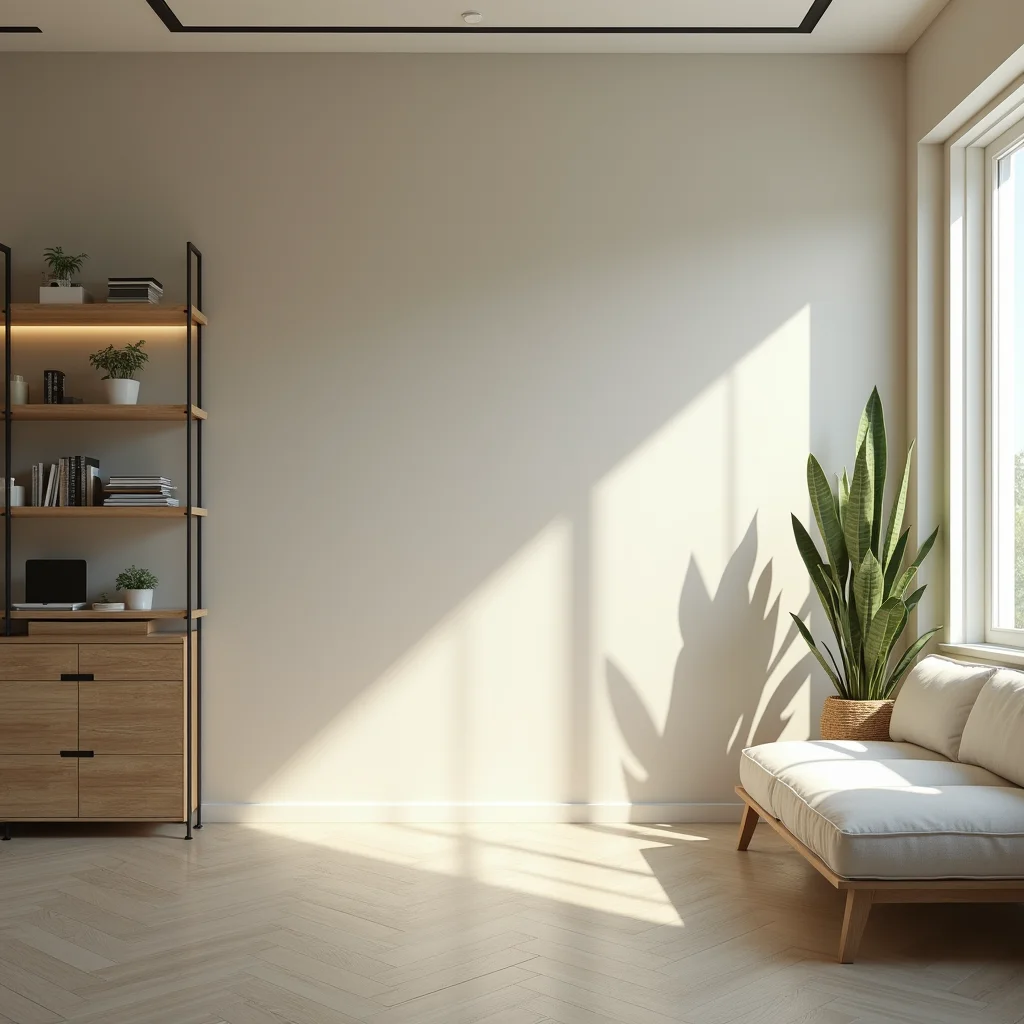
Different models respond differently to the same prompt, which is exactly why the “best” tool for this search is often the platform that lets you compare instead of commit too early.
How to use it in three steps.

Describe the subject
Describe the subject, setting, lighting, and realism level you want.
Switch models when the style drifts
Choose an image model and upload a reference image if you need tighter control.
Generate
Generate, compare the outputs, and refine the one that feels most natural.
Frequently Asked Questions
Can WaveSpeed AI generate realistic images?+
Yes. WaveSpeed AI supports multiple image models that can be used for photorealistic generation and editing. It is a good fit if you want to test how different workflows handle faces, products, and scene detail.
Can I use a reference image?+
Yes. Reference-image workflows are supported for editing and transformation, which is useful when you want closer control over a pose, product, or visual style.
What makes an image look realistic instead of obviously AI-made?+
Users usually judge realism by lighting, texture, anatomy, and how well the image holds together at a glance. If faces, hands, fabric, or product surfaces look off, the result feels synthetic even when the composition is strong.
How should I prompt for realistic portraits or product shots?+
Describe the subject, setting, lighting, and realism level as clearly as you can. Good prompts often mention camera feel, surface detail, and the type of finish you want, such as editorial, studio, candid, or commercial.
Why compare multiple image models for realism?+
Different models handle realism differently, especially for faces, textural detail, and prompt adherence. Comparing a few options helps you find the model that works best for portraits, ecommerce visuals, or marketing drafts.
Is this only for casual use?+
No. You can start in the browser, then move into API workflows if you need more scale, repeatability, or automation.