

Ai Sound Effect Generator
Free audio generator — ai sound effect generator. WaveSpeed AI: fast, no watermark, free to start.
This query is less about “no rules” and more about lower friction.
When people type this phrase, they are usually looking for a tool that gets to a usable image faster. The label is secondary. The workflow is the real product.
Most users really want broader style range, faster iteration, and fewer dead ends before the first promising draft.

What to compare before you choose.
If you compare workflow instead of marketing copy, the evaluation gets much clearer.
Some models follow instructions better than others.
Clearer outputs, fewer ignored details.
You may want realism, art, or concept work.
More than one visual mode.
Text-only tools can feel random.
Uploads, editing, or image-to-image paths.
Many users want to test before committing.
Easy first use, less setup.
WaveSpeed fits better when you want to move between modes, not stay trapped in one.
That is the real advantage for this query: you can move from quick draft to prompt control to reference-based editing without rebuilding your process each time.
Built for fast iteration
You can try different prompt angles, compare variations, and keep the version that matches the scene best.
Better for project use than random browsing
Instead of searching through endless libraries, you can ask for the sound you need and move on.
Useful for creators and builders
It supports practical work in video editing, app design, social content, podcasts, and game prototyping.
Fast image models
Good when you want many drafts fast and need to pressure-test loose ideas before polishing.

Let the image story keep moving.
Since this page already has a lot of visual material, a looping gallery works better than leaving every image trapped in its own static block. It gives the page a rhythm and helps people understand the range faster.
Test range with prompts that actually expose differences.
Simple prompts hide too much. Use scenes that reveal style range, structure, and prompt adherence.
a soft futuristic UI click with a clean digital finish
footsteps on wet pavement at night, close and realistic
a fast cinematic whoosh for a title reveal
low ambient room tone with a tense sci-fi feel
a metal impact sound that feels heavy and sharp
source, like wood, metal, glass, or fabric
Where this kind of tool works best.
This is especially useful when you want creative freedom but still care about consistency, speed, and being able to keep iterating without switching stacks.
You want a tool that can sketch fast, shift style quickly, and still give you a path into more controlled editing once the first draft is close.
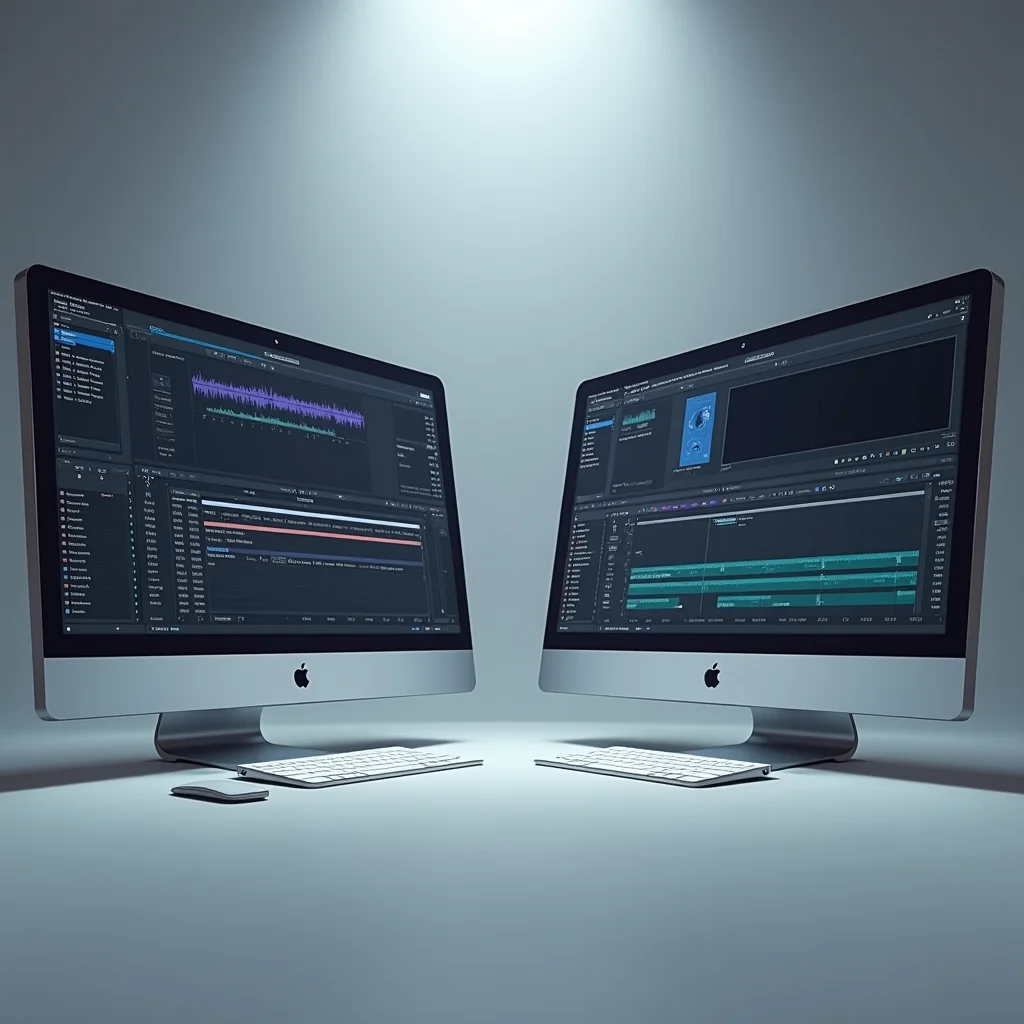
Different models respond differently to the same prompt, which is exactly why the “best” tool for this search is often the platform that lets you compare instead of commit too early.
How to use it in three steps.
Step 1: Describe the sound you need
Start with the action or object. For example, say footsteps, a button tap, or a cinematic hit.
Step 2: Add scene details
Tell the tool where the sound happens, how it should feel, and what kind of texture you want.
Step 3: Compare and choose the best version
Pick the result that fits the timing, tone, and visual moment in your project.
FAQ
What is an AI sound effect generator?+
It is a tool that creates short sound assets from text prompts. People use it for footsteps, clicks, whooshes, ambience, and other quick audio needs.
Is this better than a stock sound library?+
It can be, if you need a sound that is more specific than a library search result. A generator is useful when you already know the kind of effect you want and need a faster path to it.
What kind of prompts work best?+
Prompts work best when they include the object, setting, mood, and motion. For example, “a clean digital click with a light futuristic tone” gives more direction than just “click sound.”
Can video creators use this workflow?+
Yes. Video editors often need short sounds for transitions, scene changes, UI moments, and impact beats. That is one of the main reasons this keyword gets so much search interest.
Is this useful for games and apps too?+
Yes. Game teams and app builders often need placeholder or production-ready sounds for feedback, interactions, and scene moments.
How is this different from a music generator?+
A sound effect tool makes short audio assets. A music generator makes longer musical pieces. If you need a hit, whoosh, or ambience bed, this is the better match.
What if the first result sounds generic?+
Add more detail to the prompt. Try specifying the material, distance, tone, and pace. Small changes often make a big difference in the final output. If you want one more adjacent example before deciding, image to video is worth opening next. To compare this with an outside example, AI Sound Effect Generator is a helpful place to look next.