

This query is less about “no rules” and more about lower friction.
When people type this phrase, they are usually looking for a tool that gets to a usable image faster. The label is secondary. The workflow is the real product.
Most users really want broader style range, faster iteration, and fewer dead ends before the first promising draft.

What to compare before you choose.
If you compare workflow instead of marketing copy, the evaluation gets much clearer.
Some models follow instructions better than others.
Clearer outputs, fewer ignored details.
You may want realism, art, or concept work.
More than one visual mode.
Text-only tools can feel random.
Uploads, editing, or image-to-image paths.
Many users want to test before committing.
Easy first use, less setup.
WaveSpeed fits better when you want to move between modes, not stay trapped in one.
That is the real advantage for this query: you can move from quick draft to prompt control to reference-based editing without rebuilding your process each time.
Fast image models
Good when you want many drafts fast and need to pressure-test loose ideas before polishing.
Prompt-focused models
Better when the prompt needs to be followed closely and small wording changes matter.
Editing models
Useful for reference-based work, variation passes, and controlled style shifts.
Image-to-image paths
Helpful when you already have a visual baseline and want tighter control over outcomes.


Let the image story keep moving.
Since this page already has a lot of visual material, a looping gallery works better than leaving every image trapped in its own static block. It gives the page a rhythm and helps people understand the range faster.


Test range with prompts that actually expose differences.
Simple prompts hide too much. Use scenes that reveal style range, structure, and prompt adherence.
A cinematic portrait with soft rim light and a blue background.
A futuristic city at sunrise, wide angle, highly detailed.
A product mockup on a clean studio table with natural shadows.
A surreal poster with bold color contrast and sharp typography.
A reference image remix that keeps the pose but changes the style.
A luxury editorial still life with reflective metal, soft daylight, and minimalist staging.
Where this kind of tool works best.
This is especially useful when you want creative freedom but still care about consistency, speed, and being able to keep iterating without switching stacks.
You want a tool that can sketch fast, shift style quickly, and still give you a path into more controlled editing once the first draft is close.
Different models respond differently to the same prompt, which is exactly why the “best” tool for this search is often the platform that lets you compare instead of commit too early.
How to use it in three steps.
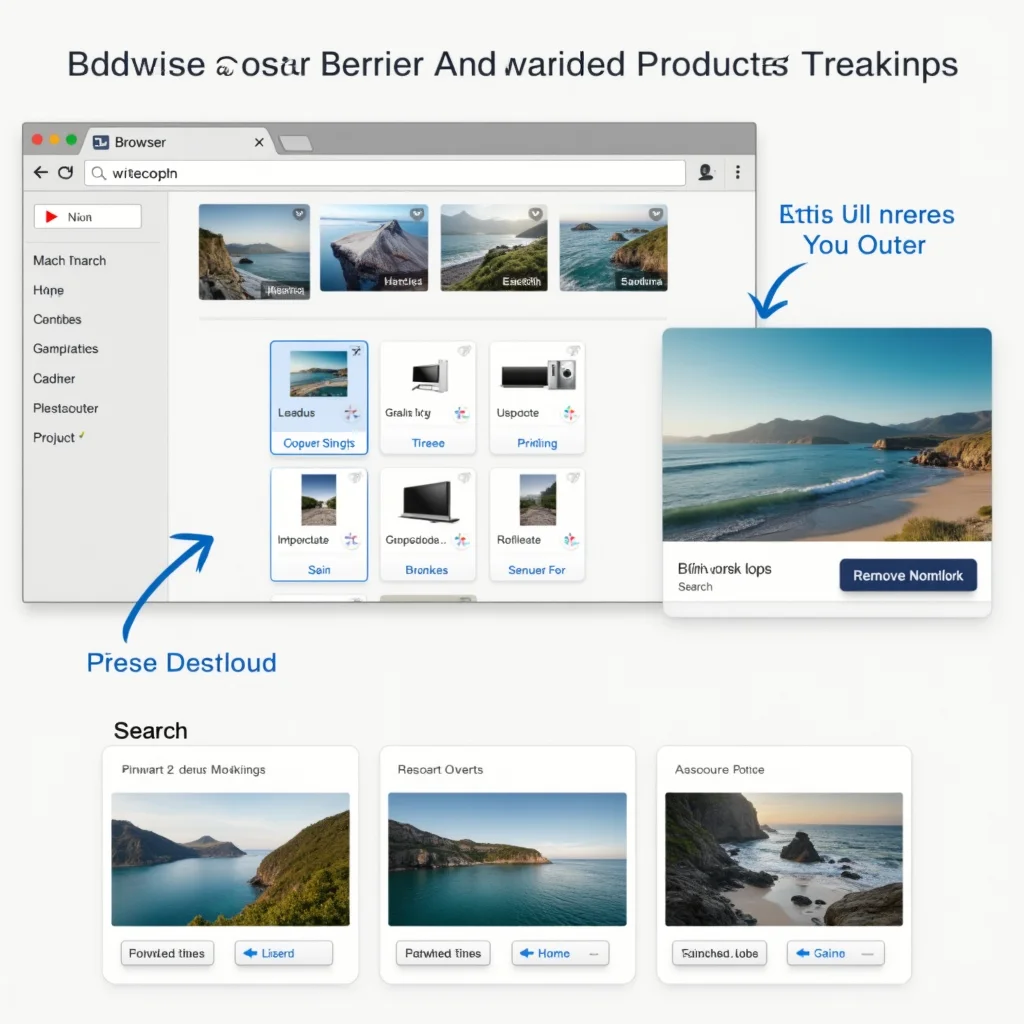
Start with an open-ended prompt
Enter a prompt or upload a reference image.
Switch models when the style drifts
Choose a model based on speed, editing, or prompt fidelity.
Move into reference or edit mode
Generate, review, and compare results until you find the direction you want.
FAQ
Does WaveSpeed automatically detect the Sora watermark location?+
Yes, in most cases. The model recognizes common Sora watermark placements without requiring you to mark the region. For unusual export types or cases where detection misses the area, pass an optional mask hint in your API request to improve targeting accuracy.
Will there be visible residue after removal?+
It depends on the source clip. Sora footage with consistent motion and smooth backgrounds reconstructs most cleanly. Clips with rapid movement, complex textures, or detailed patterns directly behind the watermark may show more variation. Test on your actual clip before running a batch.
Do free credits use the same model as paid?+
Yes. Free evaluation runs on the same underlying model as paid usage, subject to current platform limits. See the [WaveSpeed pricing page](https://wavespeed.ai/pricing) for current credit amounts and limits.
What does it cost after free credits run out?+
$0.05 per 5 seconds ($0.01 per second), billed with a 5-second minimum. A 30-second clip costs $0.30. Top up your account balance to continue processing.
Is removing a Sora watermark allowed?+
Only on video you generated yourself. OpenAI's usage policies govern what modifications are permitted on Sora output. WaveSpeed is built for legitimate processing of your own generated content, not for removing rights protections from third-party material.
What if I have hundreds of clips to process?+
Submit jobs in parallel through the API. Each request returns a job ID immediately, so you can fire off multiple jobs without waiting for each one to finish. Configure webhooks to receive output URLs as jobs complete and route results directly into your delivery pipeline.
What video formats does the API accept?+
The API accepts standard MP4 URLs. The video must be publicly accessible or hosted on a URL the API can reach. For private storage, generate a signed URL before submitting the request. ---