

Ai Beat Generator
Free audio generator — ai beat generator. WaveSpeed AI: fast, no watermark, free to start.
This query is less about “no rules” and more about lower friction.
When people type this phrase, they are usually looking for a tool that gets to a usable image faster. The label is secondary. The workflow is the real product.
Most users really want broader style range, faster iteration, and fewer dead ends before the first promising draft.

What to compare before you choose.
If you compare workflow instead of marketing copy, the evaluation gets much clearer.
Some models follow instructions better than others.
Clearer outputs, fewer ignored details.
You may want realism, art, or concept work.
More than one visual mode.
Text-only tools can feel random.
Uploads, editing, or image-to-image paths.
Many users want to test before committing.
Easy first use, less setup.
WaveSpeed fits better when you want to move between modes, not stay trapped in one.
That is the real advantage for this query: you can move from quick draft to prompt control to reference-based editing without rebuilding your process each time.
Fast image models
Good when you want many drafts fast and need to pressure-test loose ideas before polishing.
Prompt-focused models
Better when the prompt needs to be followed closely and small wording changes matter.
Editing models
Useful for reference-based work, variation passes, and controlled style shifts.
Image-to-image paths
Helpful when you already have a visual baseline and want tighter control over outcomes.
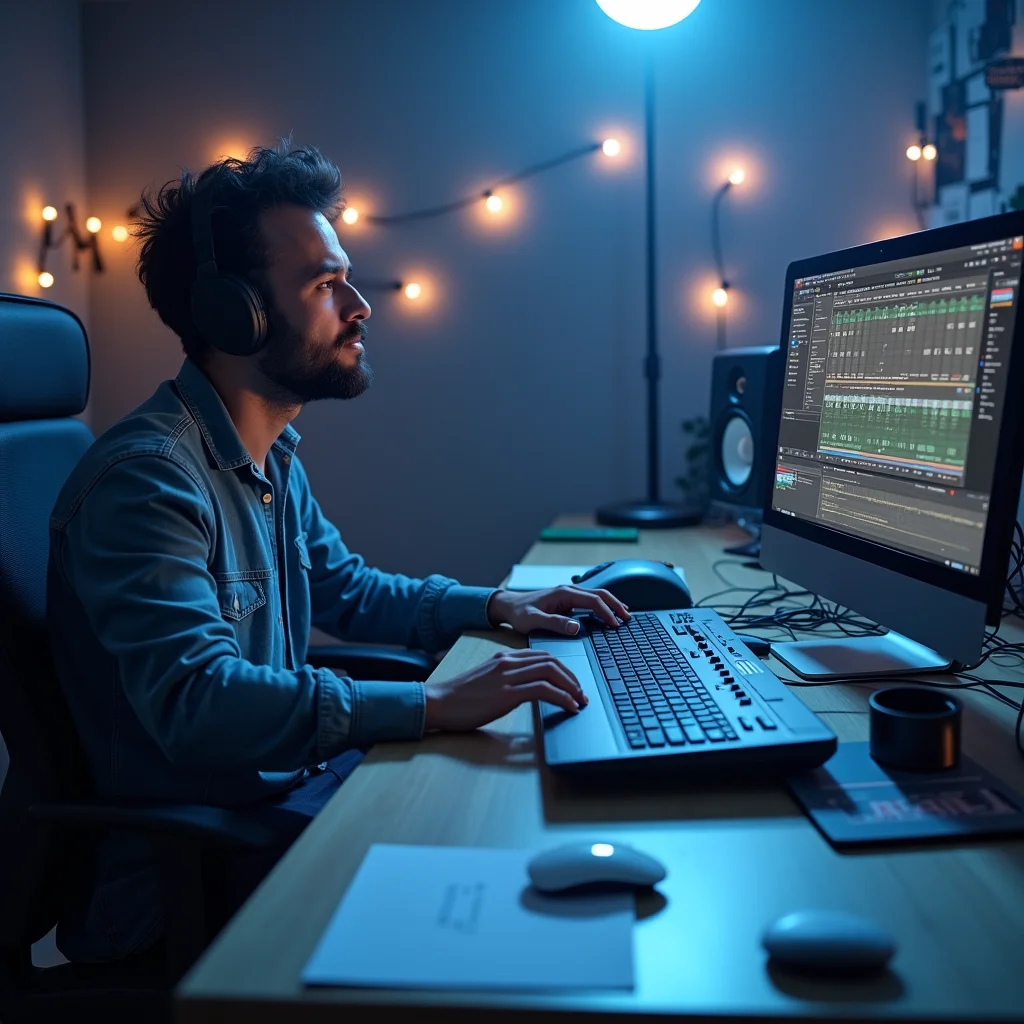
Let the image story keep moving.
Since this page already has a lot of visual material, a looping gallery works better than leaving every image trapped in its own static block. It gives the page a rhythm and helps people understand the range faster.

Test range with prompts that actually expose differences.
Simple prompts hide too much. Use scenes that reveal style range, structure, and prompt adherence.
genre, such as trap, lo-fi, drill, house, or ambient
tempo, such as slow, mid-tempo, or fast
mood, such as dark, energetic, playful, or cinematic
drum feel, such as punchy kicks, sparse hats, or heavy percussion
instrument direction, such as synth bass, piano loop, or layered pads
structure, such as intro, build, drop, or loopable section
Where this kind of tool works best.
This is especially useful when you want creative freedom but still care about consistency, speed, and being able to keep iterating without switching stacks.
You want a tool that can sketch fast, shift style quickly, and still give you a path into more controlled editing once the first draft is close.
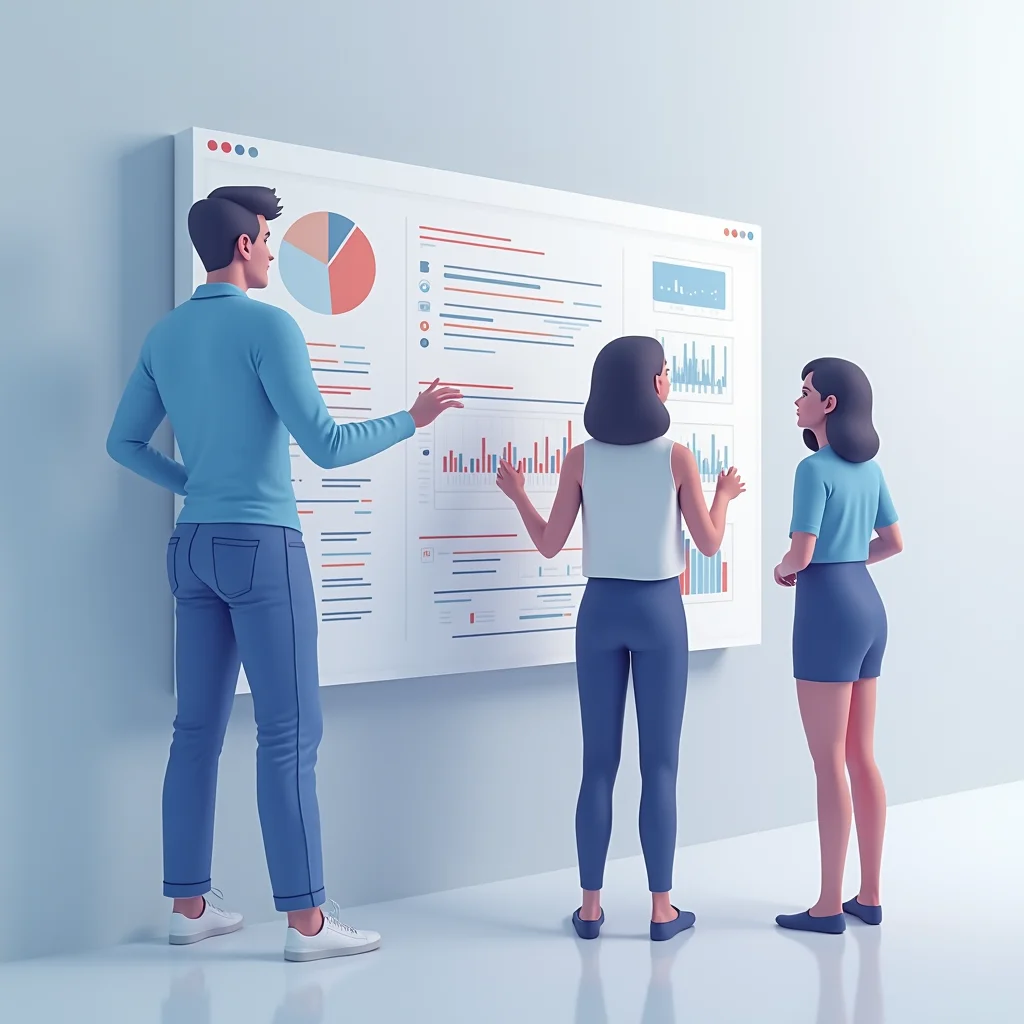
Different models respond differently to the same prompt, which is exactly why the “best” tool for this search is often the platform that lets you compare instead of commit too early.
How to use it in three steps.
Step 1: Define the use case
Decide whether the beat is for a demo, social clip, background track, or creative sketch. This keeps the result aligned with the job.
Step 2: Set the rhythm direction
Choose the genre, tempo, mood, and drum style before generating. Specific direction helps reduce generic output.
Step 3: Pick the most usable version
Keep the beat that matches your next step, whether that is editing, testing, or building a larger track.
Questions People Ask About Ai Beat Generator
What is an AI beat generator?+
It is a workflow for creating rhythm-first music ideas with AI. Most people use it to make beat foundations, not full songs.
What should I include in a beat prompt?+
Include genre, tempo, mood, drum style, and instrument direction. The more specific you are, the less generic the result tends to feel.
How is this different from a general AI music generator?+
A beat-focused tool puts the rhythm and groove first. A broader music generator may aim at full tracks, melodies, or vocals too.
What can I make with it?+
You can use it for demos, background grooves, short-form content, and early production sketches.
Why do people compare so many tools?+
Because they are not just choosing a model. They are choosing a workflow, and that includes speed, control, and how useful the output is after generation.
Who is this page for?+
It is for producers, creators, editors, and teams who want quick beat-led audio ideas.