

Upscale Video 4K
WaveSpeed's 4K video upscaling API supports SeedVR2 and Real-ESRGAN for ultra-sharp output at scale.
This query is less about “no rules” and more about lower friction.
When people type this phrase, they are usually looking for a tool that gets to a usable image faster. The label is secondary. The workflow is the real product.

Most users really want broader style range, faster iteration, and fewer dead ends before the first promising draft.
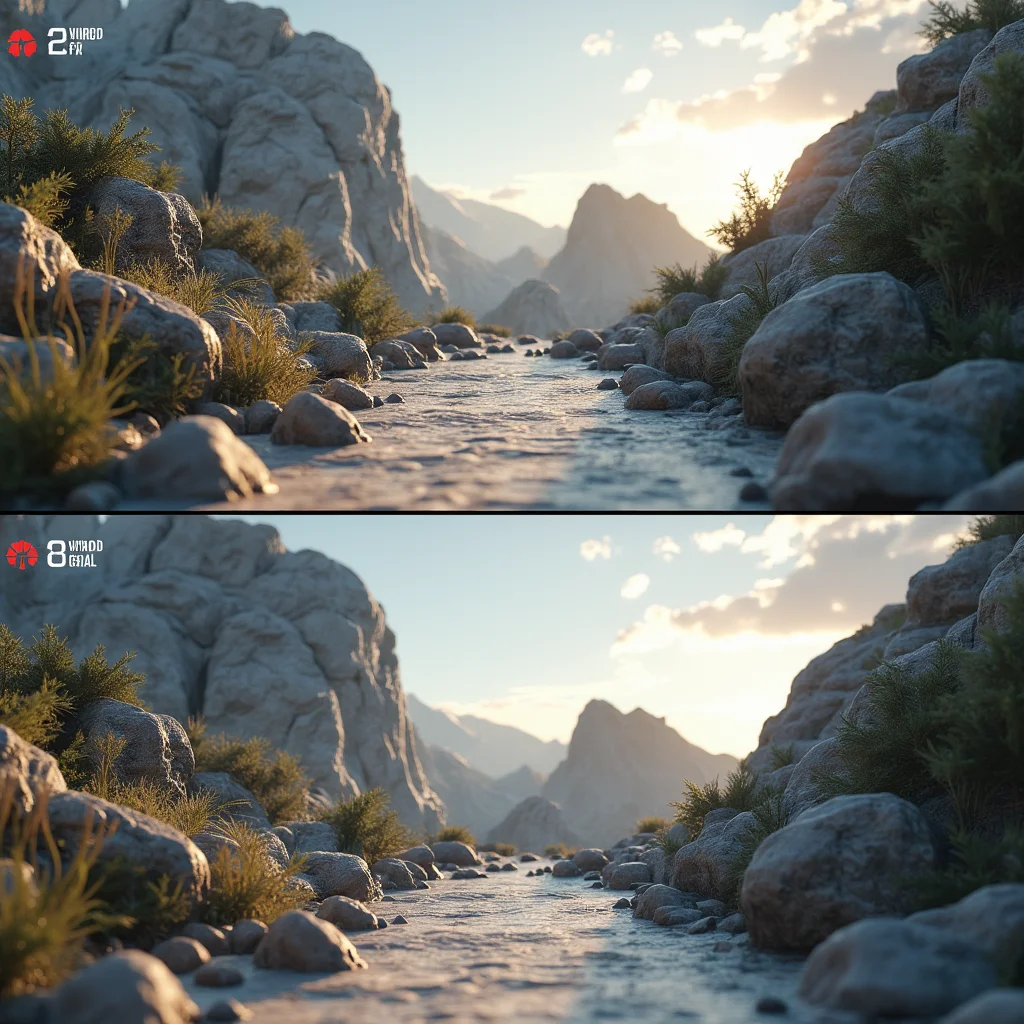
What to compare before you choose.
If you compare workflow instead of marketing copy, the evaluation gets much clearer.
Some models follow instructions better than others.
Clearer outputs, fewer ignored details.
You may want realism, art, or concept work.
More than one visual mode.
Text-only tools can feel random.
Uploads, editing, or image-to-image paths.
Many users want to test before committing.
Easy first use, less setup.
WaveSpeed fits better when you want to move between modes, not stay trapped in one.
That is the real advantage for this query: you can move from quick draft to prompt control to reference-based editing without rebuilding your process each time.
Fast image models
Good when you want many drafts fast and need to pressure-test loose ideas before polishing.
Prompt-focused models
Better when the prompt needs to be followed closely and small wording changes matter.
Editing models
Useful for reference-based work, variation passes, and controlled style shifts.
Image-to-image paths
Helpful when you already have a visual baseline and want tighter control over outcomes.

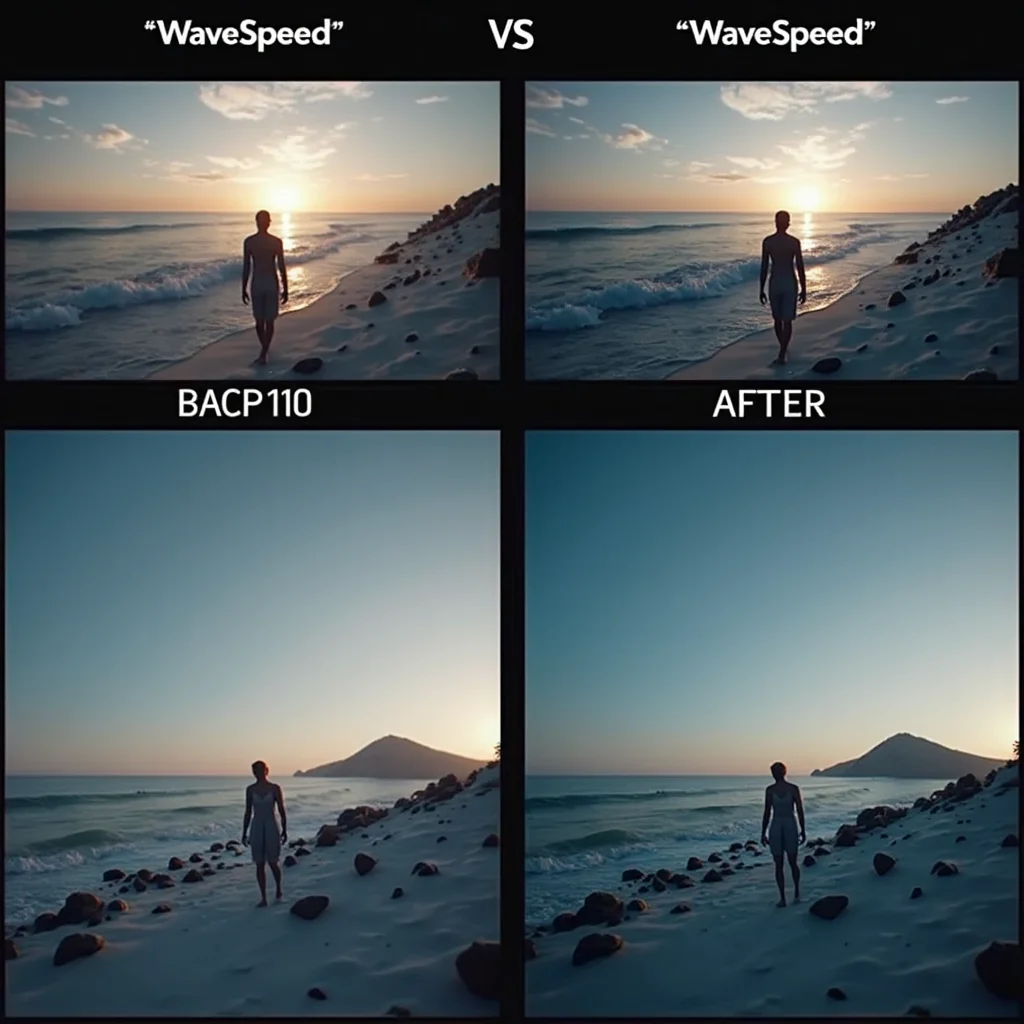
Let the image story keep moving.
Since this page already has a lot of visual material, a looping gallery works better than leaving every image trapped in its own static block. It gives the page a rhythm and helps people understand the range faster.

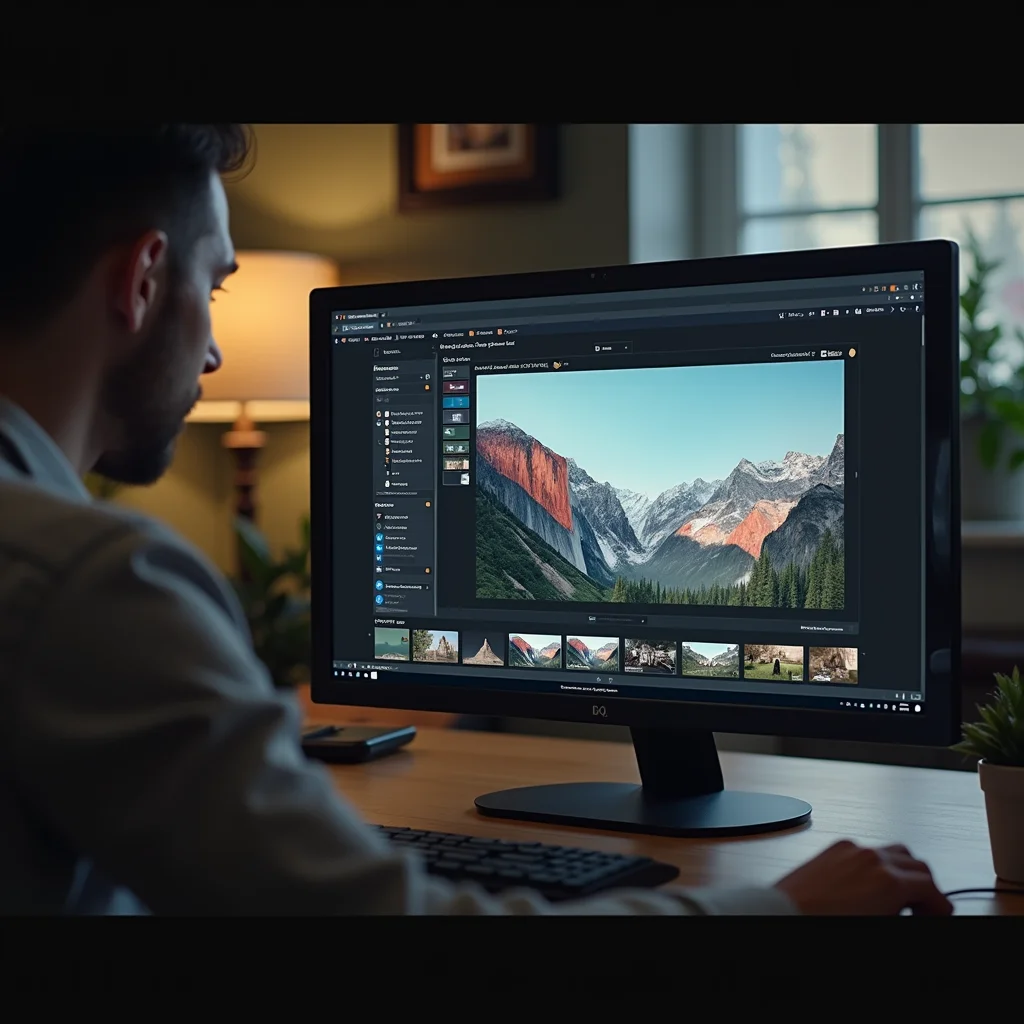
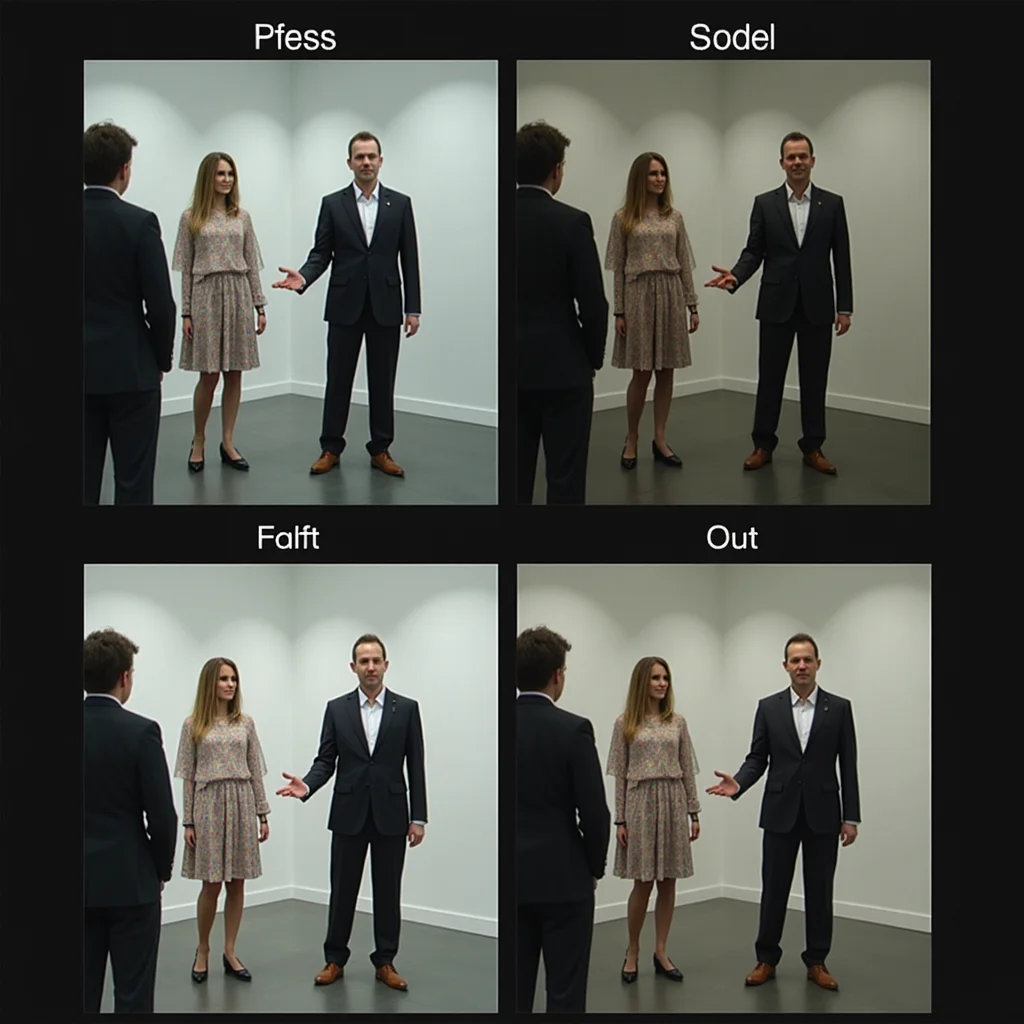
Test range with prompts that actually expose differences.
Simple prompts hide too much. Use scenes that reveal style range, structure, and prompt adherence.
A cinematic portrait with soft rim light and a blue background.
A futuristic city at sunrise, wide angle, highly detailed.
A product mockup on a clean studio table with natural shadows.
A surreal poster with bold color contrast and sharp typography.
A reference image remix that keeps the pose but changes the style.
A luxury editorial still life with reflective metal, soft daylight, and minimalist staging.
Where this kind of tool works best.
This is especially useful when you want creative freedom but still care about consistency, speed, and being able to keep iterating without switching stacks.
You want a tool that can sketch fast, shift style quickly, and still give you a path into more controlled editing once the first draft is close.
Different models respond differently to the same prompt, which is exactly why the “best” tool for this search is often the platform that lets you compare instead of commit too early.
How to use it in three steps.
Start with an open-ended prompt
Enter a prompt or upload a reference image.
Switch models when the style drifts
Choose a model based on speed, editing, or prompt fidelity.
Move into reference or edit mode
Generate, review, and compare results until you find the direction you want.
Frequently Asked Questions
Should I use SeedVR2 or the standard upscaler for 4K video?+
Use SeedVR2 when the video has visible motion, camera movement, AI-generated frames, or details that need to stay consistent across time. Use the standard upscaler for low-motion content like screencasts, product demos, or archived slides where throughput and cost matter more. The right choice depends on whether you are optimizing for fidelity or volume.
Does 1080p source video upscale better to 4K than 480p?+
Yes, higher source resolution usually gives the model more usable detail to reconstruct. A clean 1080p clip generally produces a more convincing 4K result than heavily compressed or very low-resolution footage. If the source is extremely soft or noisy, the output may still improve, but expectations should be lower.
What kind of footage benefits most from 4K upscaling?+
Footage with clear edges, moderate detail, and enough source signal tends to benefit most. That includes product shots, talking-head videos, cinematic clips, and AI-generated video that needs a cleaner delivery format. Very blurry or heavily compressed clips can still improve, but they are more likely to show limits in texture recovery.
How is this different from tools like Topaz, Canva, or Media.io?+
Those tools are often positioned as creator-friendly apps for manual editing or one-off enhancement. WaveSpeed is more useful if you need an API workflow, model selection, and repeatable processing for production or batch use. The comparison is less about a single button and more about how the upscaling fits into your pipeline.