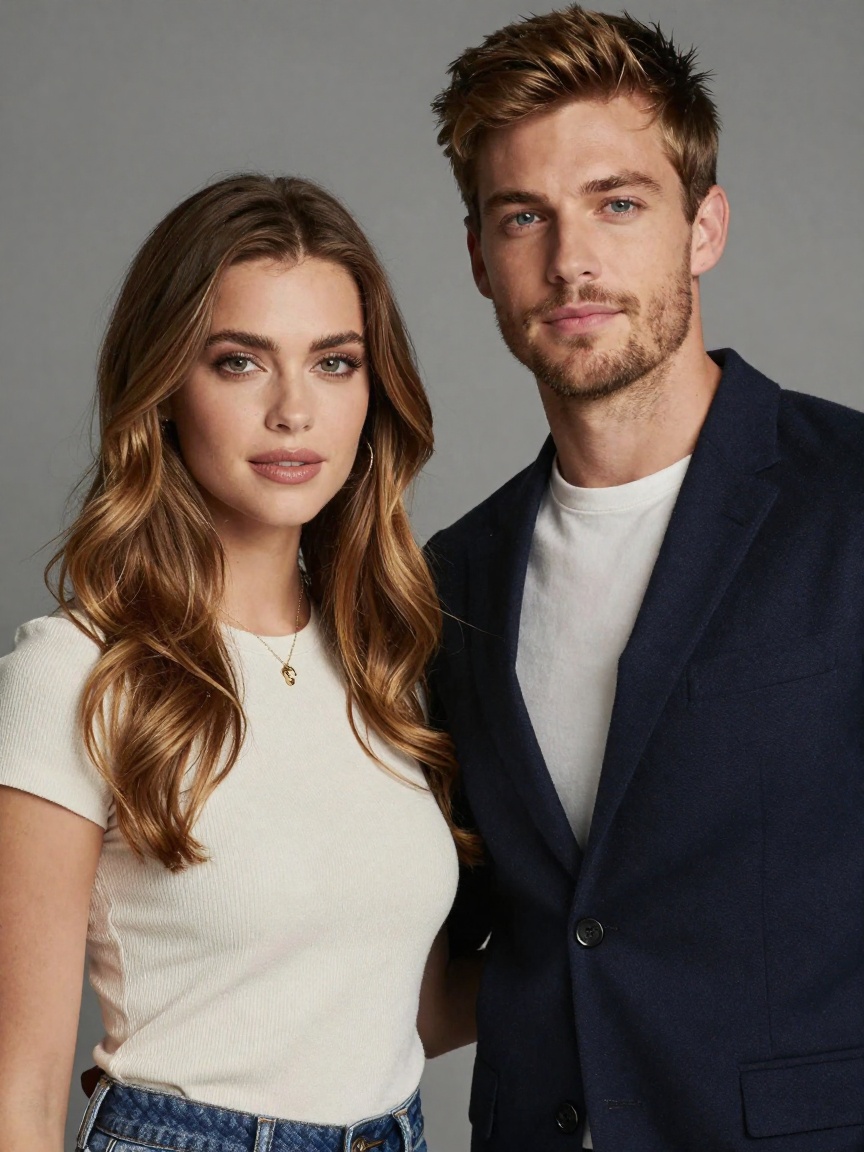
Introducing WaveSpeedAI WAN 2.2 I2V on WaveSpeedAI
Try Wavespeed Ai Wan.2.2 I2v for FREEIntroducing Wan 2.2 Image-to-Video on WaveSpeedAI
The wait is over. Alibaba’s groundbreaking Wan 2.2 Image-to-Video model is now available on WaveSpeedAI, bringing cinema-quality video generation to your creative workflow. Transform any still image into smooth, cinematic motion with just a text prompt—no complex keyframing, no technical expertise required.
What is Wan 2.2 Image-to-Video?
Wan 2.2 represents a significant leap forward in AI video generation technology. Developed by Alibaba’s Tongyi Wanxiang team, this model is the first in the industry to implement a Mixture-of-Experts (MoE) architecture specifically designed for video diffusion. This architectural innovation allows the model to activate specialized “expert” networks depending on the generation phase—high-noise experts handle initial layouts while low-noise experts refine the final details.
The result? Videos that look like they were shot by a professional cinematographer, complete with natural lighting, coherent motion, and stable camera movements.
Compared to its predecessor Wan 2.1, the 2.2 version was trained on substantially more data: 65.6% more images and 83.2% more videos. This expanded training dataset, combined with fine-grained labels for lighting, composition, and color, enables the model to generate videos with remarkable cinematic quality and precise prompt adherence.
Key Features
-
Film-Grade Visual Control: Wan 2.2 understands professional cinematography concepts—lighting setups, color grading, composition rules, and camera language. Describe the exact look you want, and the model delivers.
-
Stable Large Motion: Unlike many I2V models that struggle with significant movement, Wan 2.2 handles fast subject motion and dynamic camera work with minimal jitters or visual artifacts.
-
Accurate Semantic Understanding: Complex, multi-object scenes with detailed prompts? No problem. The model maintains coherence even when juggling multiple subjects and intricate instructions.
-
Pure Single-Image Workflow: No need for start and end keyframes. Upload one reference image, write your prompt, and generate. It’s that simple.
-
Multiple Resolution Options: Choose between 832×480 (480p) for quick iterations or 1280×720 (720p) for higher-quality final outputs.
-
Flexible Duration: Generate 5-second or 8-second clips depending on your project needs.
-
Benchmark-Leading Performance: On Wan-Bench 2.0, Wan 2.2 outperforms leading commercial models across most key evaluation dimensions, including motion quality and style control.
Real-World Use Cases
Product Demonstrations
Turn static product photos into engaging video content. Show your product from multiple angles, demonstrate features in action, or create lifestyle shots that resonate with customers—all from a single photograph.
Storyboarding and Pre-Visualization
Directors and creative teams can bring concept art to life instantly. Test camera movements, lighting setups, and scene compositions before committing to expensive production shoots.
Social Media Content
Generate scroll-stopping video content from your existing image library. Transform behind-the-scenes photos, event captures, or brand imagery into dynamic posts that capture attention.
E-Learning and Educational Content
Animate diagrams, historical images, or concept illustrations to create more engaging educational materials. Visual motion helps learners retain information better than static slides.
Marketing and Advertising
Create high-converting video ads without the traditional production overhead. Test multiple creative concepts quickly by generating variations from your key visuals.
Entertainment and Storytelling
Bring AI-generated characters, illustrations, or artwork to life. Whether you’re prototyping animations or creating content for digital platforms, Wan 2.2 accelerates the creative process.
Getting Started on WaveSpeedAI
Using Wan 2.2 Image-to-Video on WaveSpeedAI is straightforward:
-
Upload Your Image: Select any reference image that establishes the identity, layout, and style you want to maintain.
-
Write Your Prompt: Describe the motion, mood, and camera behavior you envision. For best results, include subject actions, environment details, and lighting cues (e.g., “slow dolly-in, warm rim light, gentle hair movement in breeze”).
-
Set Your Parameters: Choose your resolution (480p or 720p), duration (5s or 8s), and optionally add negative prompts to exclude unwanted elements like watermarks or distortion.
-
Generate: Hit run and let WaveSpeedAI’s optimized infrastructure handle the rest.
Pricing
| Duration | 480p (832×480) | 720p (1280×720) |
|---|---|---|
| 5 seconds | $0.15 | $0.30 |
| 8 seconds | $0.24 | $0.48 |
Why WaveSpeedAI?
Running advanced AI models like Wan 2.2 locally requires significant hardware—typically a high-end GPU like an RTX 4090 and considerable technical setup. WaveSpeedAI eliminates these barriers entirely:
-
No Cold Starts: Your requests begin processing immediately. No waiting for instances to spin up.
-
Optimized Performance: Our infrastructure is tuned specifically for AI inference workloads, delivering faster generation times than typical cloud deployments.
-
Simple REST API: Integrate video generation into your applications, workflows, or automation pipelines with straightforward API calls.
-
Affordable Pricing: Pay only for what you generate. No upfront costs, no subscription minimums.
Transform Your Visual Content Today
Wan 2.2 Image-to-Video represents a new standard in AI-powered video generation. With its MoE architecture, expanded training data, and cinema-quality output, it’s a powerful tool for anyone looking to create professional video content from still images.
Whether you’re a marketer seeking to repurpose existing assets, a filmmaker pre-visualizing scenes, or a content creator looking to stand out, Wan 2.2 delivers results that were previously impossible without significant production budgets.
Ready to bring your images to life? Try Wan 2.2 Image-to-Video on WaveSpeedAI and experience the future of video generation.
Related Articles

Introducing Google Lyria 3 Clip on WaveSpeedAI

Introducing Google Lyria 3 Pro on WaveSpeedAI

Best Free AI Video Generator Online in 2026: Sora, Kling, Veo, Seedance — All in One Place
Introducing Kling Image O3 on WaveSpeedAI
Introducing AI Girl Filter on WaveSpeedAI