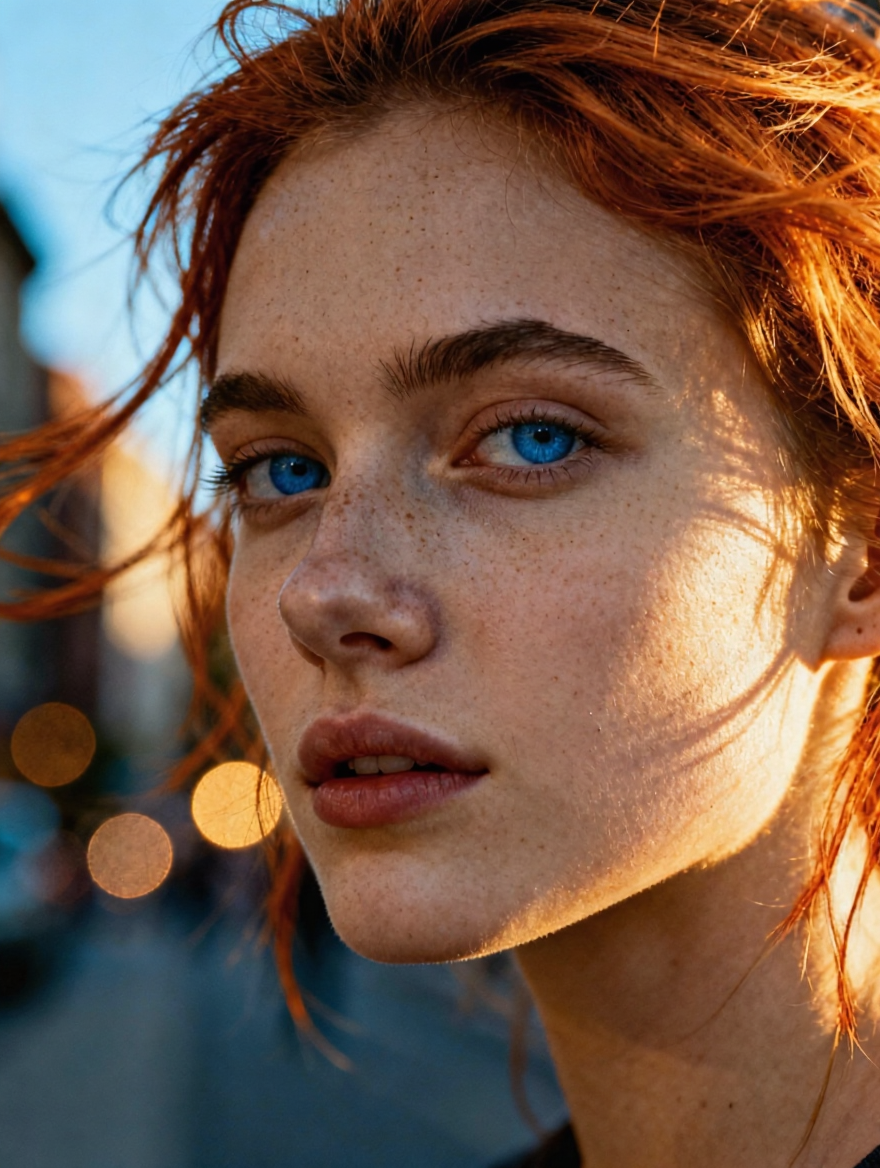
Speed or Scale? Nano Banana Pro vs Qwen Image for Creative Professionals
Introduction – Why Visual Consistency Matters
Great AI imagery isn’t just about stunning single frames — it’s about consistency.
Whether building brand visuals, cinematic frames, or digital products, creators depend on stable tone, realistic textures, and coherence across variations.
Visual consistency now defines the difference between a “good” render and a professional-grade output.
Among modern AI visual models, Nano Banana Pro and Seedream 4 stand out for their distinct philosophies.
Nano Banana Pro emphasizes responsive speed and adaptive lighting balance; Seedream 4 focuses on ultra-high fidelity and textural realism.
Both appeal to creators — but in very different ways.
This article explores their contrasts in quality, speed, and workflow integration to help professionals choose the right tool for each stage of production.
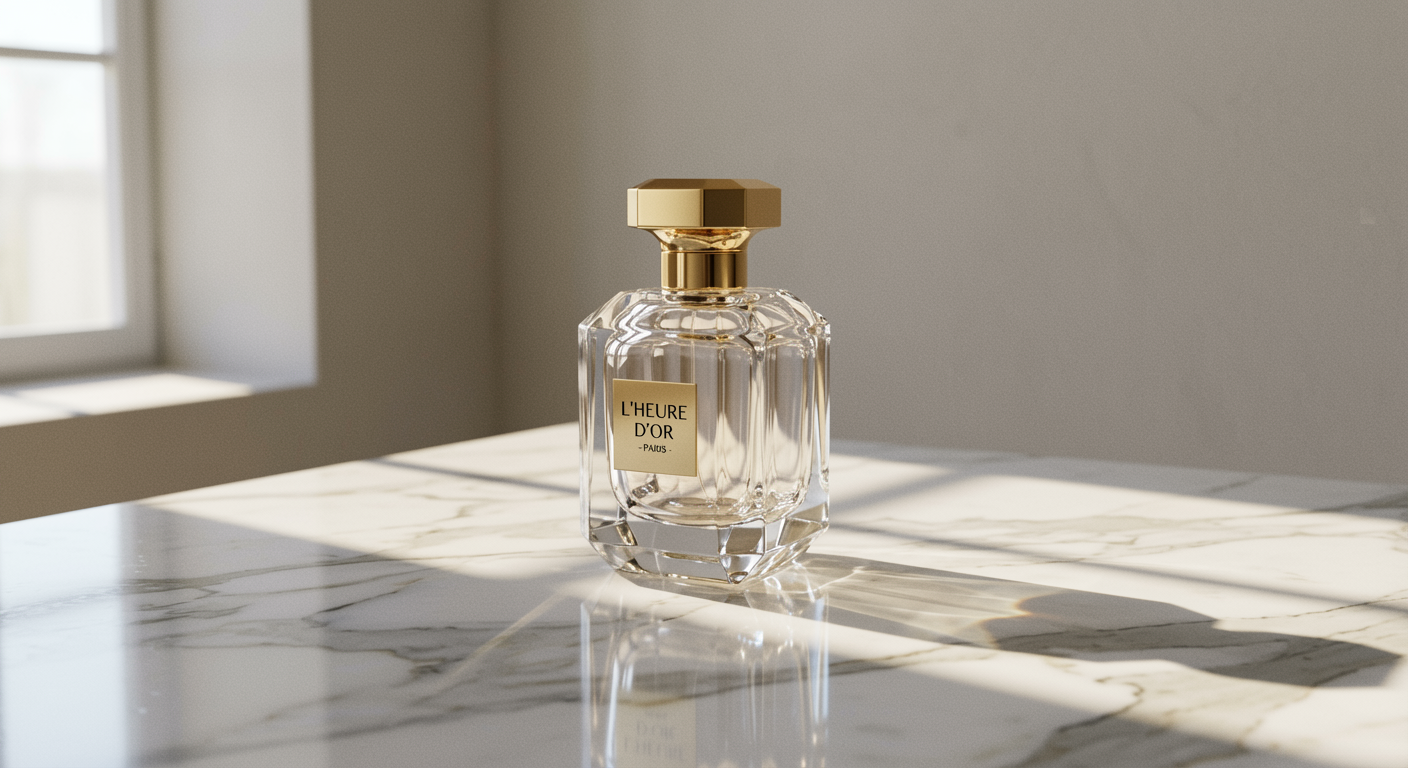
| “High-end perfume bottle on marble surface, soft daylight, realistic reflections, minimal background.” |
|---|
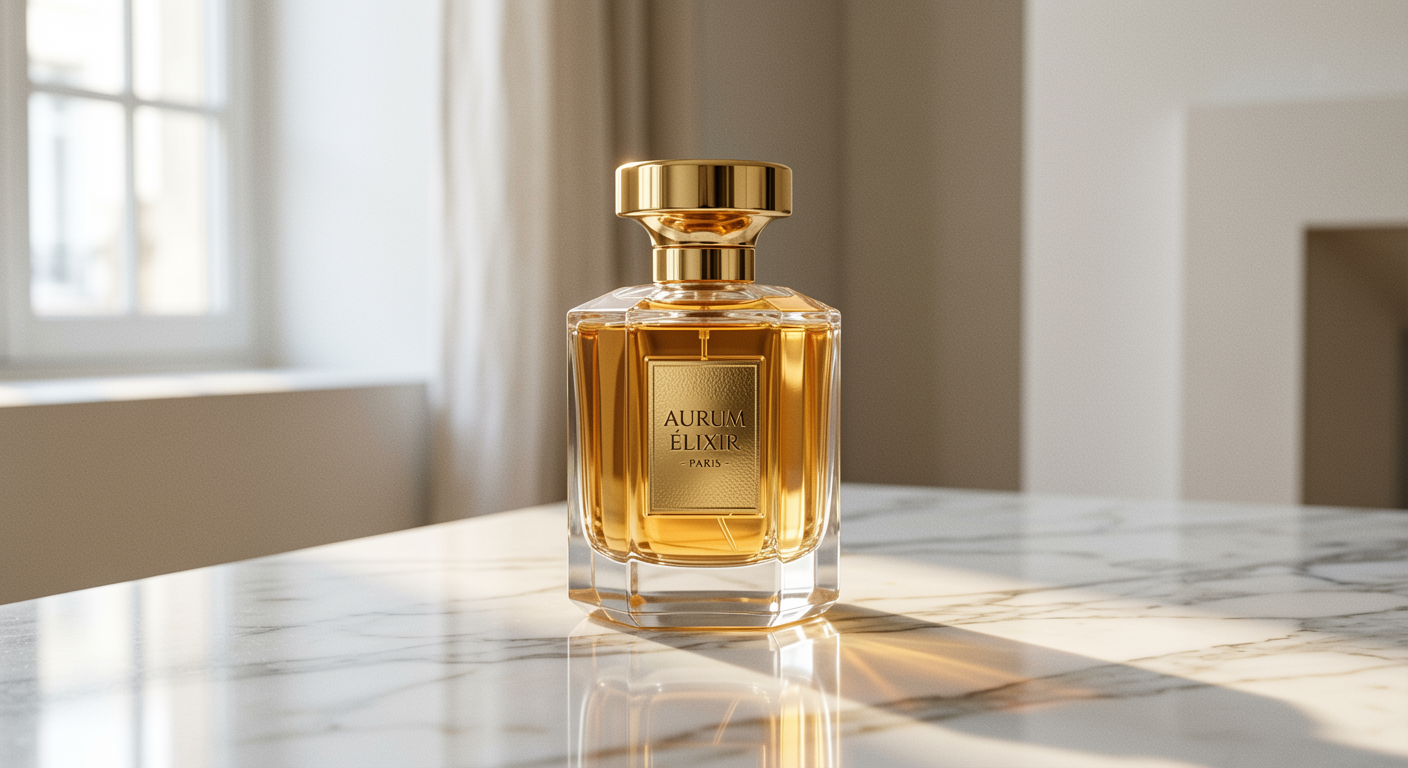
A good test prompt for observing how each model handles tone control and surface reflection.
Feature-by-Feature Comparison Table
| Feature | Nano Banana Pro | Seedream 4 |
|---|---|---|
| Core Focus | Speed, adaptive lighting, prompt responsiveness | High-fidelity detail, cinematic texture |
| Rendering Style | Balanced realism with softer tone transitions | Sharp micro-textures and high-contrast lighting |
| Prompt Handling | Fast regeneration, flexible mid-session edits | Deep semantic interpretation, structured composition |
| Use Experience | Instant creative feedback for iteration | Slower but visually richer outputs |
| Ideal Users | Designers, marketers, rapid ideation teams | Photographers, art directors, film pre-production |
Both models excel, but in complementary ways: Nano Banana Pro keeps creative energy flowing through instant iterations,while Seedream 4 rewards patience with superior fine detail and print-level definition.
| “Minimalist living room, sunlight through glass panels, white marble floor, chrome chair legs.” |
|---|
Performance Metrics – Image Quality and Speed
In modern AI pipelines, “performance” extends beyond render time. It includes tonal stability, color adaptation, and stylistic consistency across edits.
Nano Banana Pro prioritizes speed and harmony.
Its adaptive diffusion core produces balanced lighting and smooth transitions — essential for maintaining color accuracy across a campaign set.
When producing dozens of ad visuals or storyboards, that responsiveness can dramatically improve creative throughput.
Seedream 4, however, pushes the boundaries of realism.
Its textural accuracy, depth of field, and surface reflection control create near-photographic clarity.
This makes it the preferred choice for final deliverables where every highlight and micro-texture must stand out.
For creators, this means Nano Banana Pro helps you think faster; Seedream 4 helps you finish stronger.
| “Studio portrait under window light, realistic skin tone, balanced exposure, 85 mm lens perspective.” |
|---|
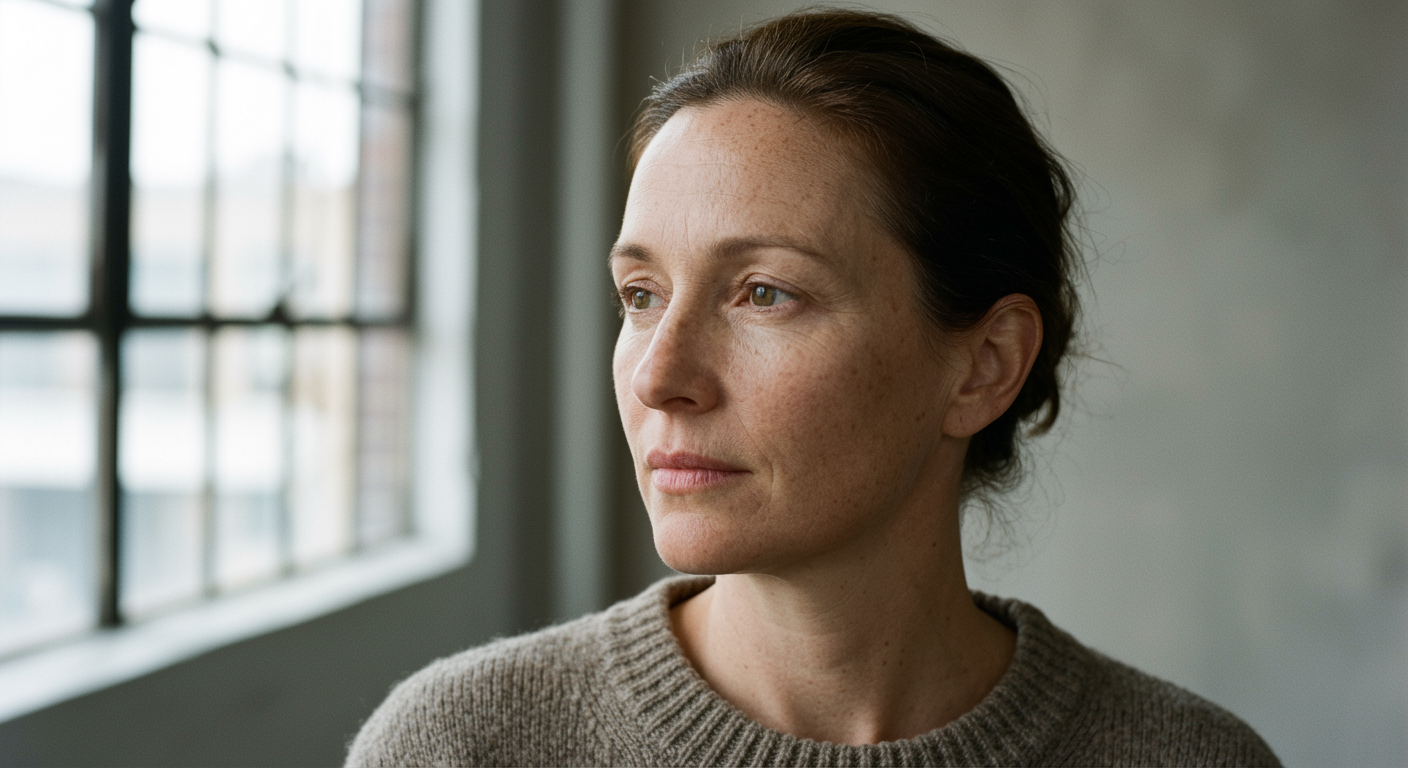
Showcases – Side-by-Side Results
Both models shine under different creative scenarios.
Here are three typical cases that illustrate how realism and consistency manifest across workflows.
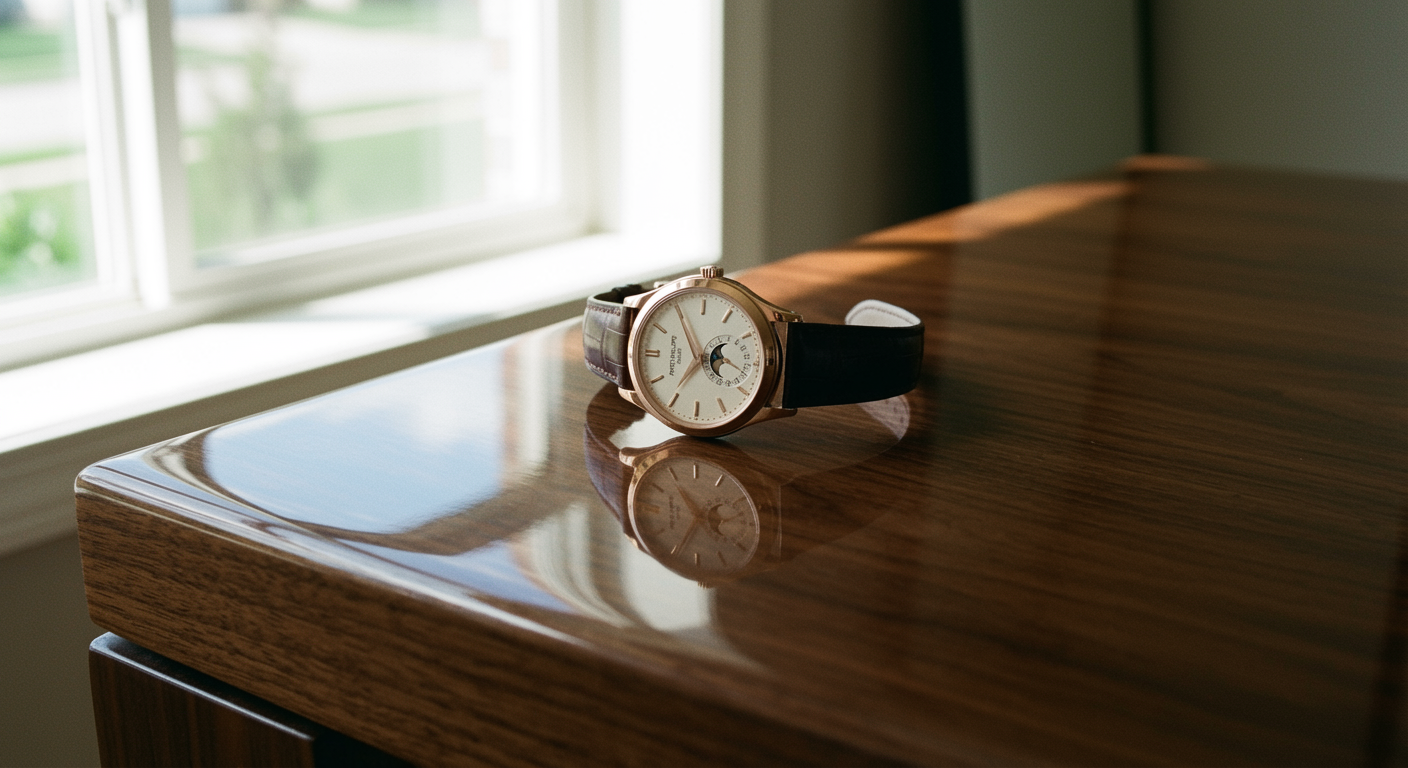
A. Product Imagery
Nano Banana Pro reproduces product lighting naturally, with controlled reflections and neutral color balance — ideal for quick ad variations.
Seedream 4 delivers sharper specular detail, realistic texture on materials like glass or metal, and a print-ready finish.
| “Luxury watch on glossy table, balanced reflections, daylight from left.” |
|---|
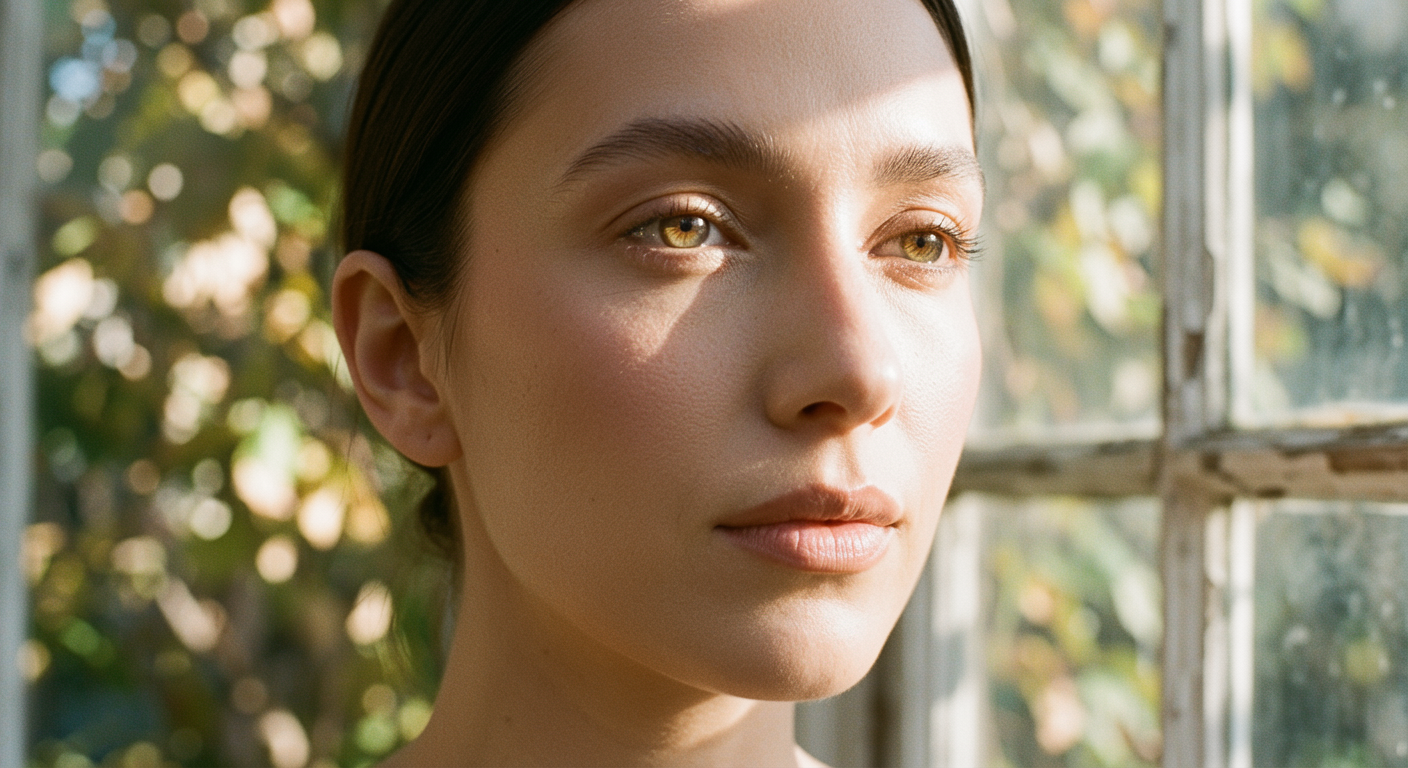
B. Portrait Realism
Portraits test an AI model’s understanding of subtle human details: skin tone, highlight roll-off, and depth of field.
Nano Banana Pro maintains natural warmth and consistent background blur, while Seedream 4 captures micro-contrast and enhanced clarity suitable for editorial use.
| “Cinematic close-up, soft sunlight, neutral makeup, shallow depth of field.” |
|---|
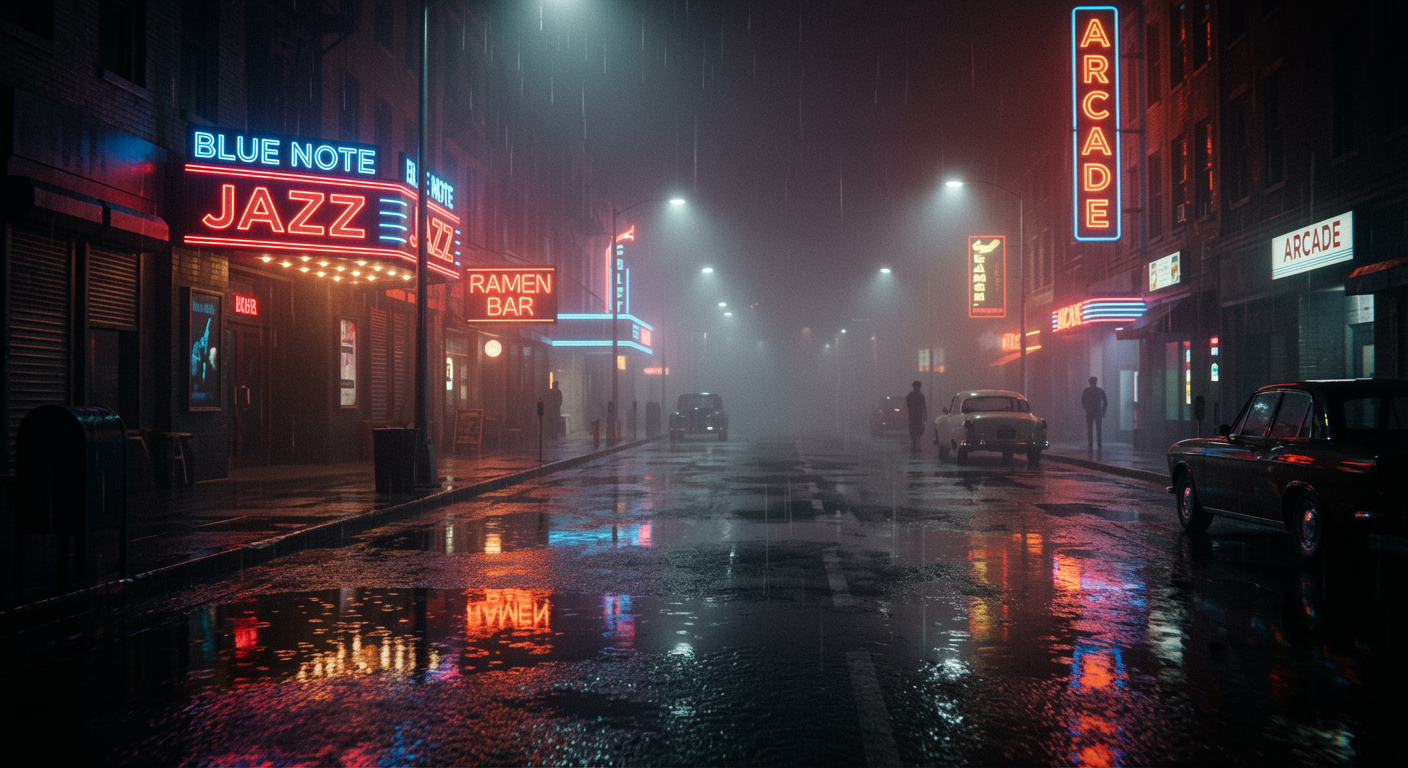
C. Film Frame Aesthetics
When simulating cinematic moods, both models achieve impressive results.
Nano Banana Pro renders diffused color grades with atmospheric balance; Seedream 4 accentuates shadow separation and HDR range, producing stronger drama.
Depending on the story’s tone, either approach can serve — one fluid, one focused.
| “Rainy street at night, neon reflections, subtle fog, cinematic tone curve.” |
|---|
When to Use Each Model
Every visual workflow benefits from understanding when speed or precision should lead.
Choose Nano Banana Pro when:
- You need fast iteration and creative experimentation
- Projects demand consistent lighting across multiple outputs
- Teams rely on real-time feedback loops during ideation
Choose Seedream 4 when:
- You require ultra-high fidelity and print-grade detail
- Scenes depend on material accuracy and surface realism
- Deliverables involve final product imagery or cinematic stills
In practice, many studios use both models sequentially —
Nano Banana Pro for exploratory concepting, and Seedream 4 for final render passes.
This hybrid workflow delivers both momentum and mastery.
External reference:
| Tools like Runway and Alibaba Cloud’s AI Studio demonstrate similar hybrid pipelines — fast iteration models paired with high-fidelity renderers to streamline production cycles. |
|---|
Test Nano Banana Pro Yourself
Visual excellence no longer depends on a single model — it depends on workflow design.
Nano Banana Pro brings unmatched balance to AI visual generation: fast, natural, and beautifully consistent.
Use it to accelerate your creative rhythm and pair it with precision tools like Seedream 4 for final finishing.
Try Nano Banana Pro today on WaveSpeedAI to experience the next generation of AI visual creation.
🔗Nano Banana Pro Text to Image
🔗Nano Banana Pro Image Editing
Stay connected with us
Discord Community | X (Twitter) | Open Source Projects | Instagram
© 2025 WaveSpeedAI. All rights reserved.